Part of our Curated Series
Hobart doesn't get the attention Sydney and Melbourne do, and that's exactly what makes it special.
This is Australia's southernmost capital—a city where Georgian sandstone warehouses meet cutting-edge art, where whisky distilleries thrive in cool-climate perfection, and where the food scene rivals anywhere in the world but without the crowds or the hype.
It's sophisticated without trying too hard. Beautiful without being obvious. And if you love good food, wine, art, and landscapes that take your breath away, Hobart should be much higher on your list than it probably is.
Here's how to spend one perfect day in Tasmania's capital.
Morning: Art That Breaks All the Rules
Start at MONA (Museum of Old and New Art)
MONA isn't like other museums. At all.
It's built into a cliff overlooking the River Derwent. You descend underground through spiral staircases into cavernous galleries filled with provocative, controversial, sometimes shocking contemporary art alongside ancient antiquities.
There are no labels on the walls—instead, you get an iPod-like device (called "The O") that tells you about each piece as you approach it. Or you can ignore it entirely and just experience the art without context.
Why it matters:
MONA put Hobart on the global cultural map. It's weird, challenging, and occasionally uncomfortable—which is exactly the point. Whether you love it or hate it, you won't forget it.
Pro tip: Take the MONA ferry from Hobart's waterfront (Brooke Street Pier). The 25-minute ride is scenic, and arriving by boat feels right.
Timing: MONA opens at 10 AM. Get there early—it gets busier as the day goes on, and you want time to explore without rushing.
Bonus: The museum has excellent wine (Moorilla wines are made on-site), and the restaurant—The Source—is fantastic if you want to stay for lunch. But we have other plans.
Late Morning: Salamanca Market & Waterfront Charm
Back to Hobart for Salamanca Market (Saturdays only)
If you're in Hobart on a Saturday, Salamanca Market is non-negotiable. This weekly outdoor market has been running since 1972, and it's where locals actually shop—not just a tourist attraction.
What you'll find:
- Fresh Tasmanian produce (cherries, apples, berries—all incredible)
- Artisan cheese, honey, baked goods
- Handmade crafts, jewelry, woodwork
- Local artists selling paintings and photography
- Food stalls with everything from crepes to gourmet sausages
What to buy:
Leatherwood honey (unique to Tasmania), local gin or whisky, handmade wooden bowls, Tasmanian wool products.
The setting: The market runs along Salamanca Place—a row of beautifully restored 1830s sandstone warehouses. The backdrop alone is worth the visit.
Not in Hobart on Saturday?
Salamanca Place is still worth exploring. The warehouses now hold galleries, boutiques, cafés, and restaurants. It's Hobart's most charming street.
Lunch: Fresh, Local, Unforgettable
The Glass House
Perched over the water with floor-to-ceiling windows overlooking the harbor and Mount Wellington, The Glass House focuses on Tasmanian produce—seafood, meats, vegetables—all sourced locally and prepared simply.
What to order:
Whatever seafood is freshest that day. Tasmanian oysters are some of the best in the world. The fish is impeccable. And the wine list is strong on Tasmanian cool-climate wines (which, if you haven't tried them, are excellent).
Atmosphere: Elegant but not stuffy. Great for a leisurely lunch where you can watch boats on the water and actually taste what makes Tasmanian ingredients special.
Alternative if The Glass House is booked:
Aloft (also waterfront, excellent food) or Peacock and Jones (in a converted 1840s jam factory, seasonal menu, beautiful space).
Afternoon: Whisky, History & Views
Lark Distillery
Tasmania has become a whisky powerhouse in recent years, and Lark Distillery is where it started. It's Australia's first licensed distillery since the 1830s, and their single malt whiskies have won international awards.
The experience:
Take a distillery tour (about 45 minutes) where you learn about the process, the Tasmanian water and barley that make the whisky unique, and the aging process. Then you taste.
Even if you're not a whisky person, the tour is interesting, and the waterfront location (Hobart's historic docks) is beautiful.
Pro tip: Book the tour in advance. They fill up, especially on weekends.
Not into whisky?
Tasmania also has excellent gin. McHenry Distillery makes outstanding gin if you'd rather do a gin tasting.
Battery Point: Hobart's Historic Heart
After the distillery, walk to Battery Point—Hobart's oldest residential neighborhood. It's a maze of narrow streets, colonial cottages, and houses that have been here since the 1820s.
What to see:
- Arthur Circus - A tiny park surrounded by adorable workers' cottages from the 1840s
- Narryna Heritage Museum - A beautifully preserved 1830s merchant's home (if you like historic interiors)
- Just wander. Battery Point is made for getting slightly lost and discovering tucked-away gardens and harbor views.
Kelly's Steps connect Battery Point back down to Salamanca Place—a historic staircase from 1839 that's worth the detour for the views and the Instagram shot.
Mount Wellington (kunanyi)
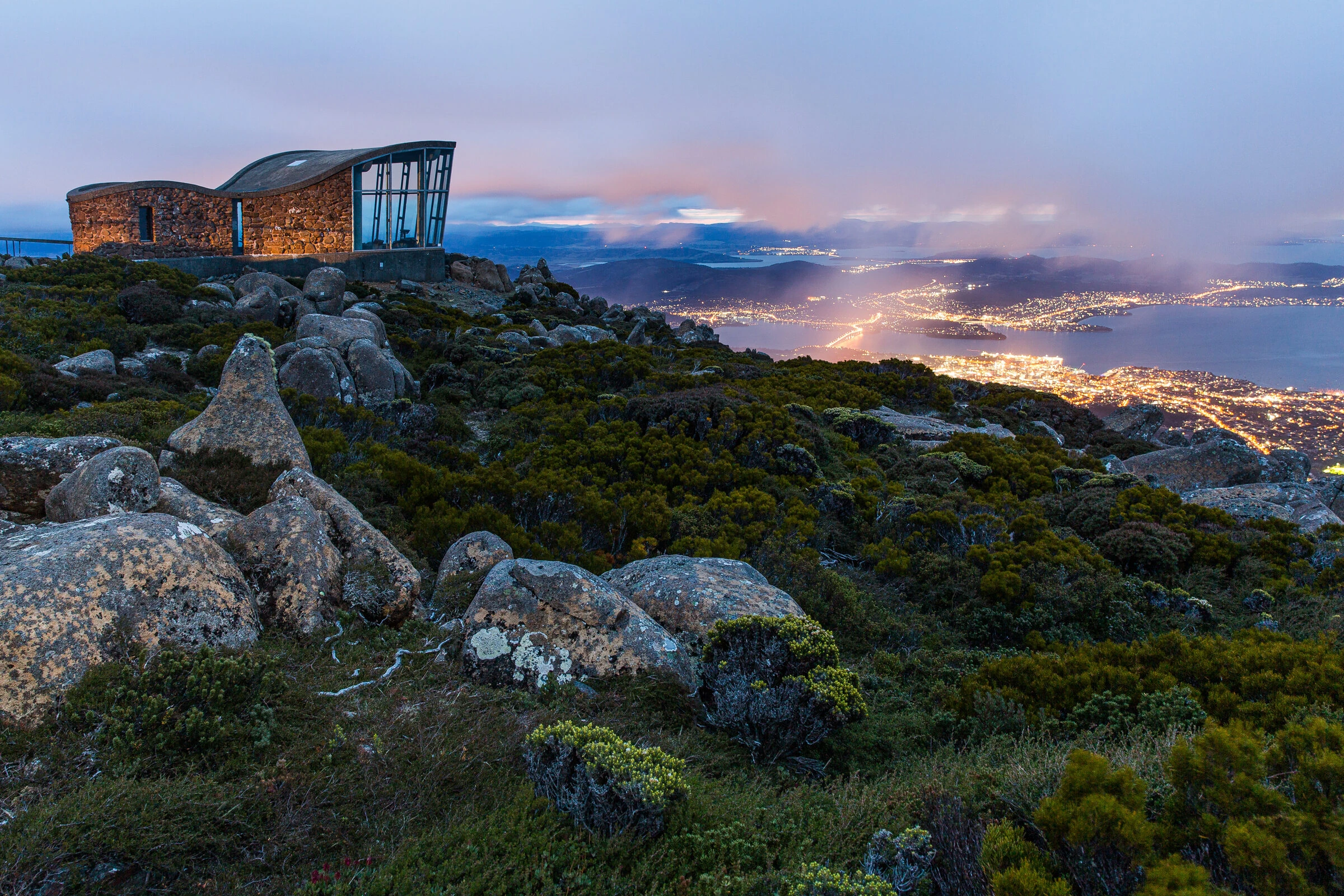
If you have time and the weather cooperates, take the 30-minute drive up Mount Wellington for panoramic views over Hobart, the River Derwent, and beyond.
Fair warning: It can be windy and cold at the summit (even in summer), so bring a jacket. But the views are spectacular—on a clear day, you can see for miles.
Best time to go: Late afternoon for golden hour light, or sunset if you time it right.
Don't have a car? Tours and shuttles run regularly from the city.
Late Afternoon: Art Galleries & Boutiques
If you're back in the city and not yet museum'd out, Hobart has a thriving contemporary art scene.
Galleries worth visiting:
- Handmark Gallery - Tasmanian craft and design (ceramics, jewelry, textiles)
- Despard Gallery - Contemporary Tasmanian art
- Bett Gallery - Another excellent contemporary space
Shopping:
Hobart's boutiques are small but excellent. Look for Tasmanian-made goods—wool, leather, woodwork, ceramics. These aren't mass-produced tourist souvenirs; they're beautifully crafted pieces made by local artisans.
Evening: Dinner That Lives Up to the Hype
Hobart punches way above its weight when it comes to food. For a city of just over 200,000 people, the restaurant scene is shockingly good.
Top Tier: Franklin
Franklin is Hobart's most celebrated restaurant—and for good reason. It's in a former automotive workshop, the vibe is industrial-chic, and the food is wood-fired, seasonal, and unforgettable.
The concept: Whole-animal cooking, vegetables treated with as much respect as the meat, an ever-changing menu based on what's available, and a wine list focused on natural and minimal-intervention wines.
What to expect:
Shared plates, bold flavors, ingredients you've never heard of (Tasmanian natives like pepperberry and saltbush), and cooking that's technically brilliant but never pretentious.
Reservations: Essential. Book weeks in advance.
Upscale but Accessible: Dier Makr
Small, intimate, and focused on a seasonal tasting menu. The chef (Ben Milgate) is a Hobart legend, and the food is creative, playful, and delicious.
Why it's great: You get a multi-course experience without the stuffiness of traditional fine dining. It's fun, relaxed, and the kind of place where the kitchen sends out surprise courses.
Reservations: Also essential.
Casual Excellence: Fico
Italian-inspired, wood-fired pizzas and pastas, but elevated. Fresh pasta made daily, seasonal toppings, and a space that feels warm and convivial.
Perfect for: When you want excellent food without the tasting-menu commitment.
Classic Tasmanian: Frogmore Creek Winery Restaurant
If you're willing to drive 20 minutes north of Hobart, Frogmore Creek has a restaurant overlooking the vineyards with a menu focused on Tasmanian produce paired with their wines.
Best for: A leisurely, scenic dinner where you can taste Tasmanian cool-climate wines alongside food that highlights local ingredients.
Drinks & Late Night
Hobart isn't a big nightlife city, which is part of its charm. But there are a few excellent spots for a nightcap.
IXL Long Bar
In the Henry Jones Art Hotel (a converted jam factory). Dark, atmospheric, craft cocktails, and one of Hobart's best bars.
The Winston
Cocktail bar in North Hobart. Creative drinks, cozy space, neighborhood vibe.
Willing Bros
Wine bar with an excellent selection, cheese plates, and a relaxed atmosphere. Perfect for ending the night without anything too fancy.
When to Go
Best times for Hobart:
- December-February (Summer): Warm weather (60s-70s°F), long days, everything is open and buzzing. Peak season but still manageable crowds.
- March-May (Autumn): Beautiful fall colors, harvest season, fewer tourists, still pleasant weather.
- September-November (Spring): Wildflowers, fresh energy, fewer crowds than summer.
Winter (June-August): Cold (40s-50s°F), but also when Dark MOFO happens—a winter arts festival that's become internationally famous. If you're into experimental art, music, and winter feasting, this is the time to visit.
Avoid: July is the coldest, wettest month. Unless Dark MOFO is your draw, skip mid-winter.
Getting Around
Hobart is small and walkable. Most of what you'll want to see in the city center is within a 20-minute walk.
For Mount Wellington, MONA, or wineries, you'll need a car or tours. Rental cars are easy to get, and Tasmania is made for road trips if you're extending your stay beyond Hobart.
Uber and taxis work fine for getting around the city and suburbs.
Why Hobart Should Be on Your List
Hobart doesn't scream for attention. It doesn't have Sydney's Opera House or Melbourne's laneways. It's not trying to compete.
What it has is authenticity. A food and wine scene driven by incredible local ingredients. Art that challenges you. Landscapes that remind you how stunning the natural world can be. And a pace that lets you actually enjoy all of it without feeling rushed.
If you're looking for somewhere that feels like a discovery—somewhere you can tell people about and have them say "I've never thought about going there"—Hobart is your answer.
If you want help planning a Hobart escape (or a full Tasmania road trip), let's talk.
Inspired to experience Australia?
Let us design a seamless, private itinerary tailored specifically to your group, pace, and passions.