What nobody tells you before you go.
Africa will change you.
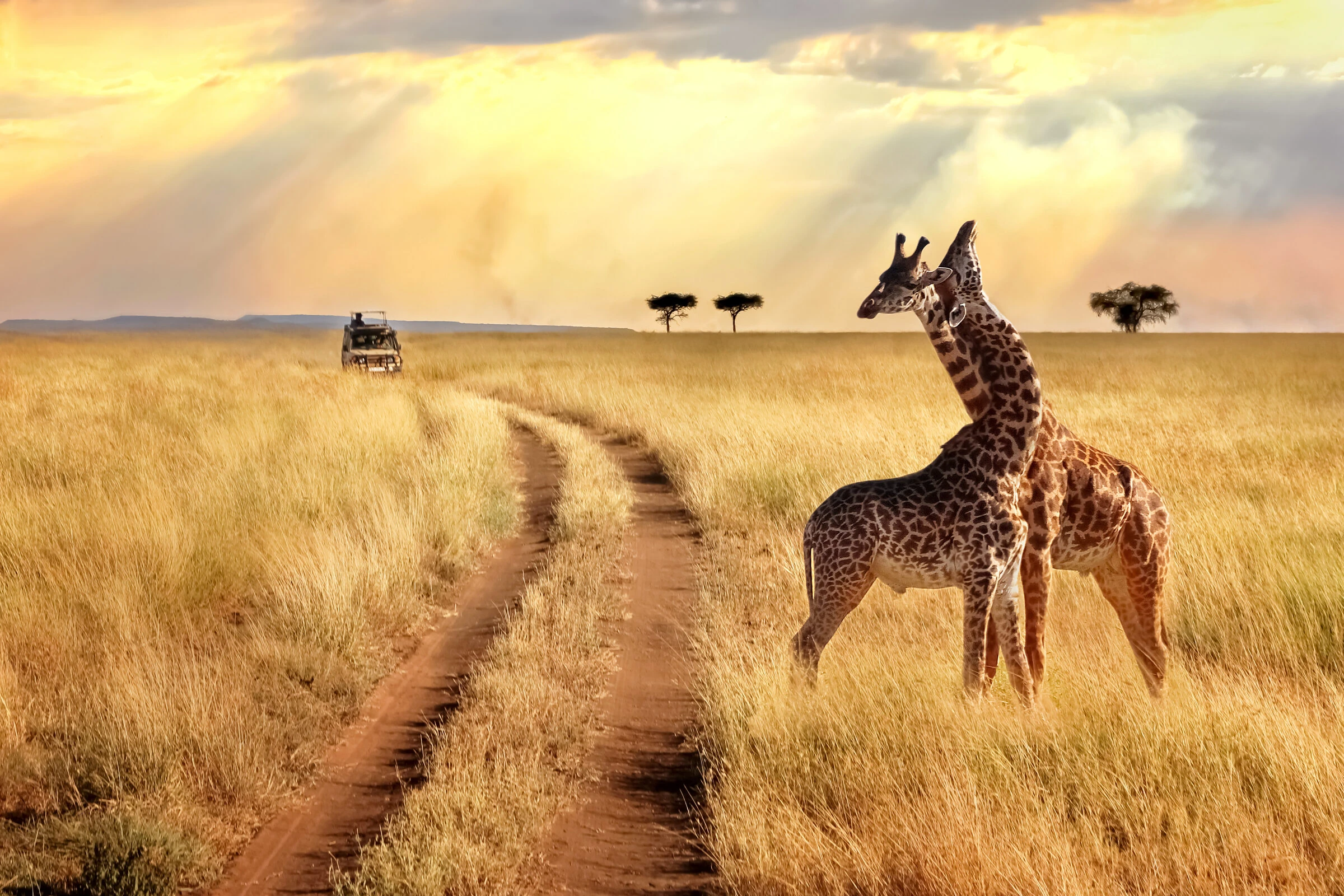
Not in a brochure-copy kind of way. In a standing-at-the-edge-of-the-Ngorongoro-Crater-at-dawn-with-your-breath-caught-in-your-throat kind of way. In a watching-a-lion-pride-move-across-the-Serengeti-at-golden-hour kind of way. In a coming-home-and-realizing-your-whole-frame-of-reference-has-shifted kind of way.
Africa will deliver that, if the trip is designed right. Whether your Africa trip is built to make it possible is a different matter, and it comes down to the operators, the timing, the camp selection, and the gap between what was promised and what actually shows up.
That’s the part nobody talks about.
National Parks vs. Private Conservancies: While national parks like the central Serengeti offer legendary scale, private adjoining conservancies allow off-road tracking, night game drives, and guided bush walks with strictly capped vehicle counts. We sequence both to give you epic migration views without fighting crowds at sightings.
From the endless plains of the Serengeti and Mara to the waterways of the Okavango Delta and the private reserves of Greater Kruger.
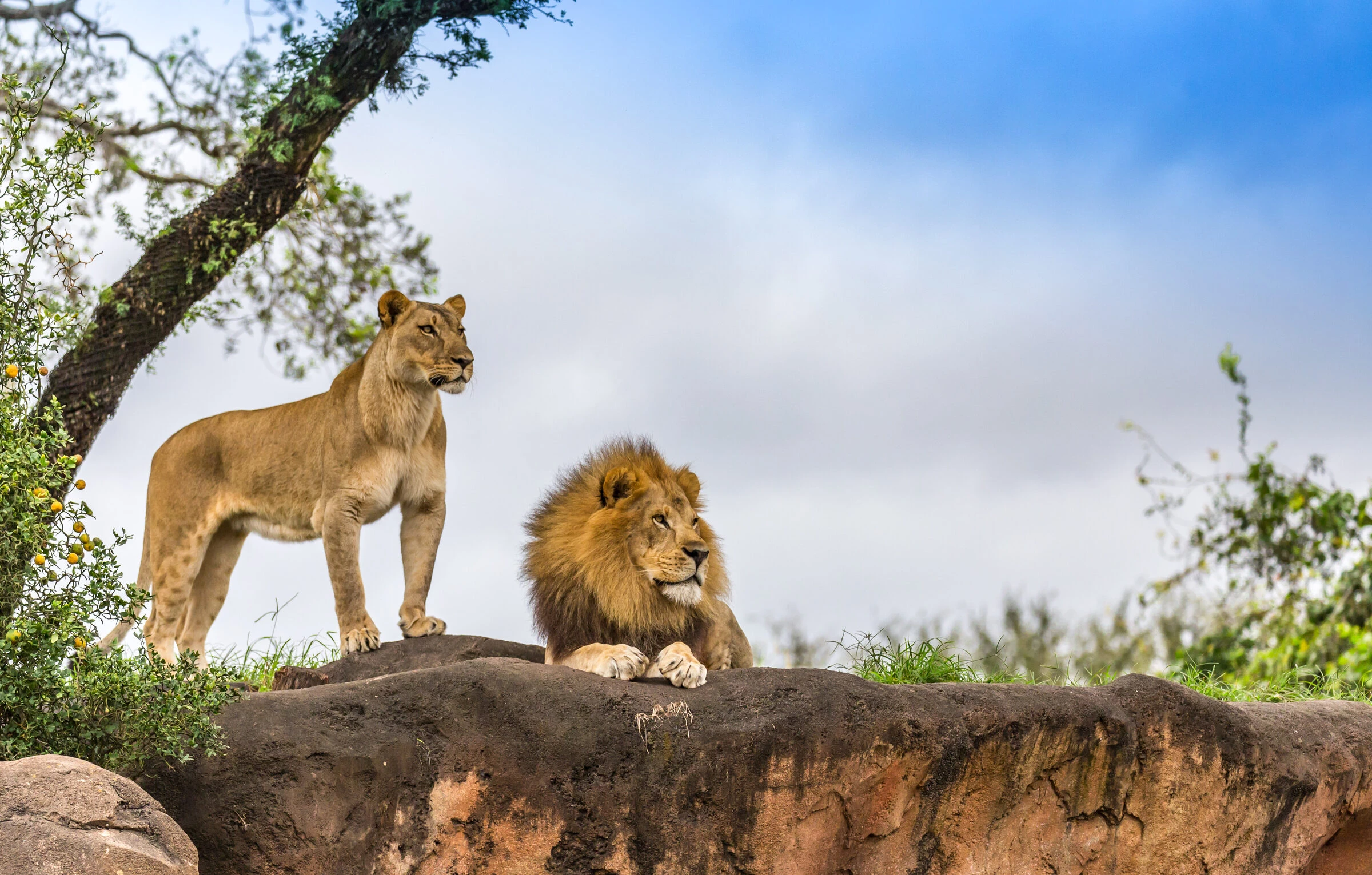
The epic stage of the Great Migration. Vast short-grass plains, the world’s largest unbroken volcanic caldera, and private concessions along the Grumeti River corridor with exceptional year-round predator activity.
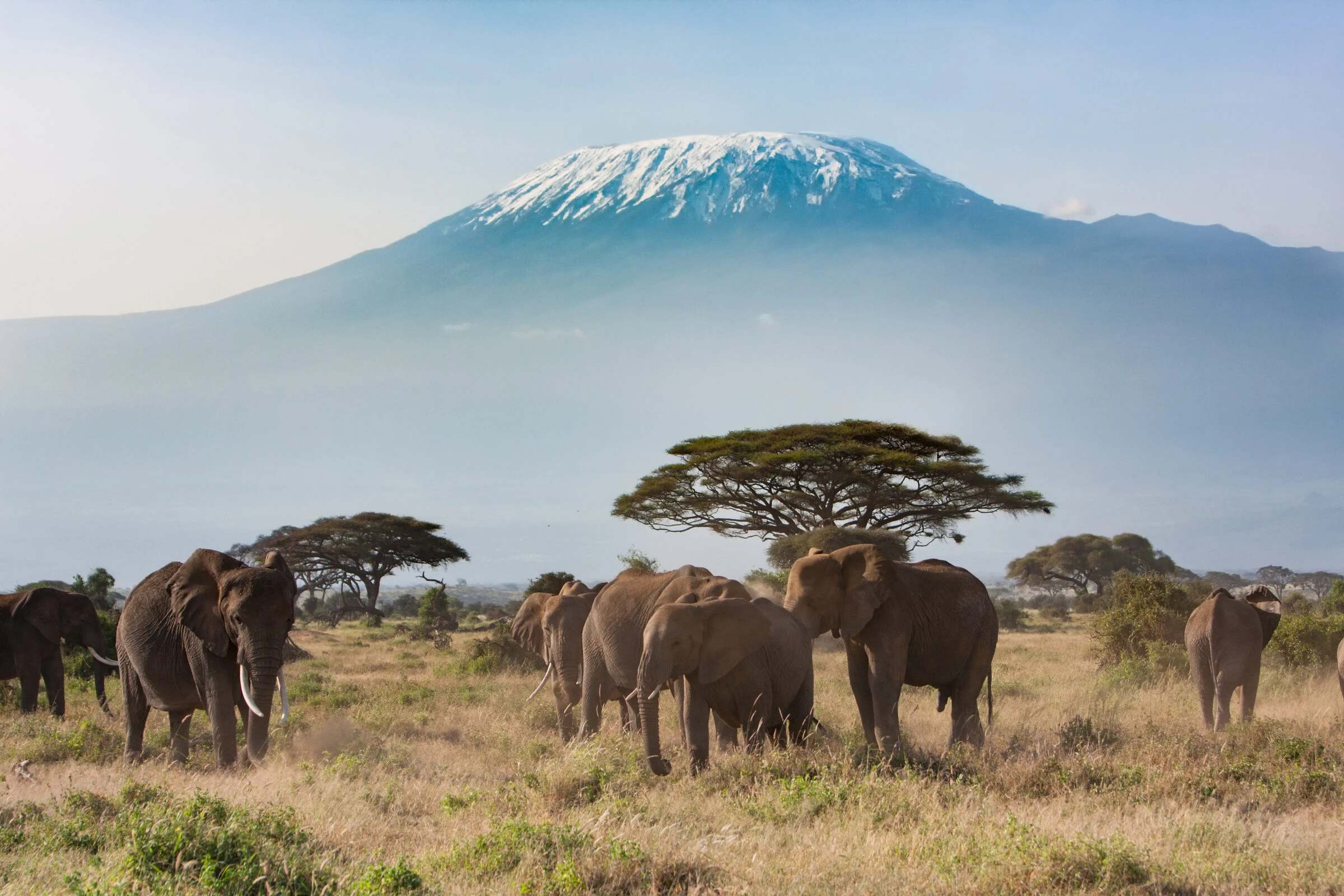
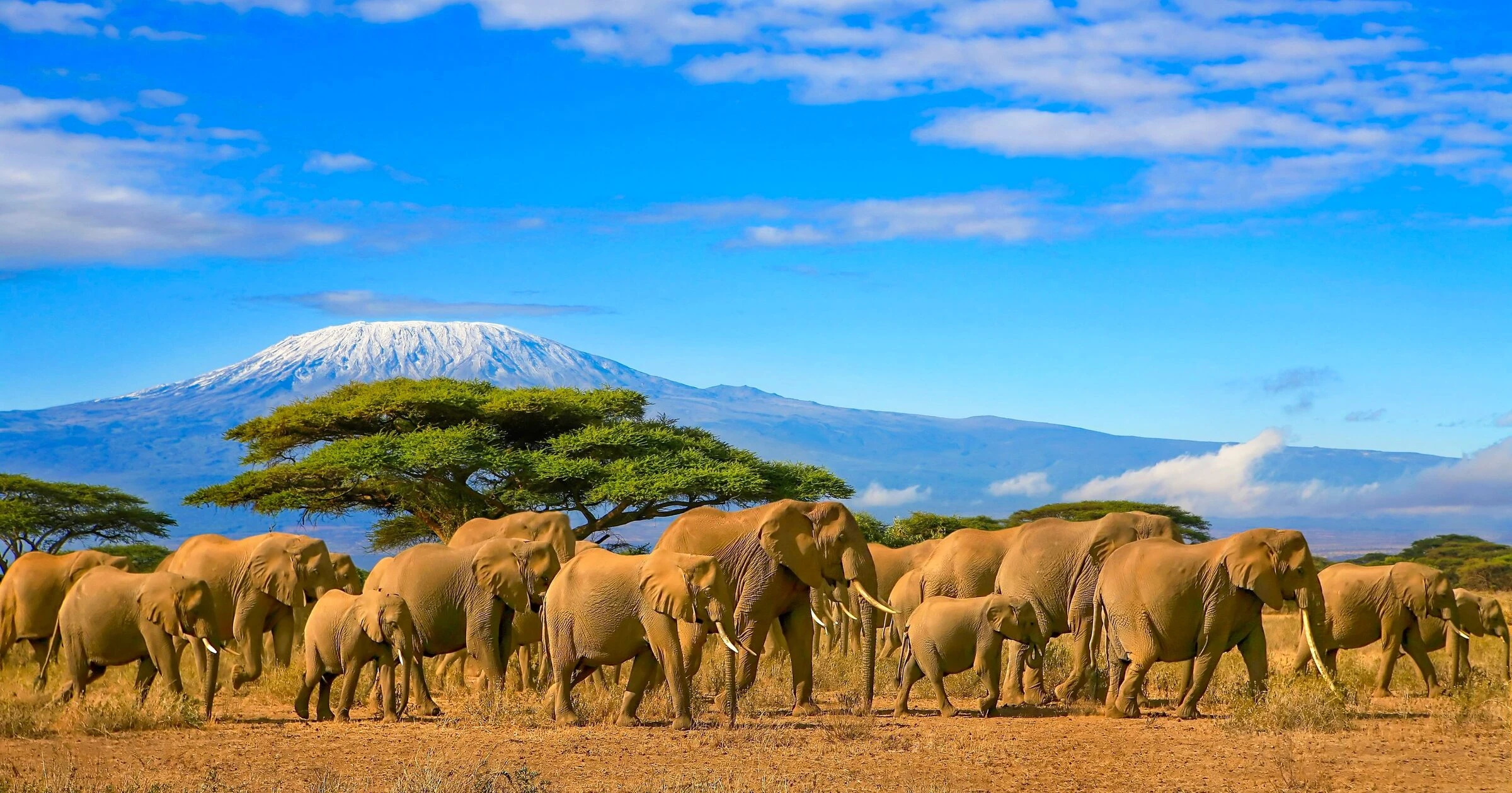
Classic open savannah framed by Mount Kilimanjaro. Home to dramatic Mara River crossings, dense lion prides, and community-owned conservancies offering exclusive off-road and walking safaris.
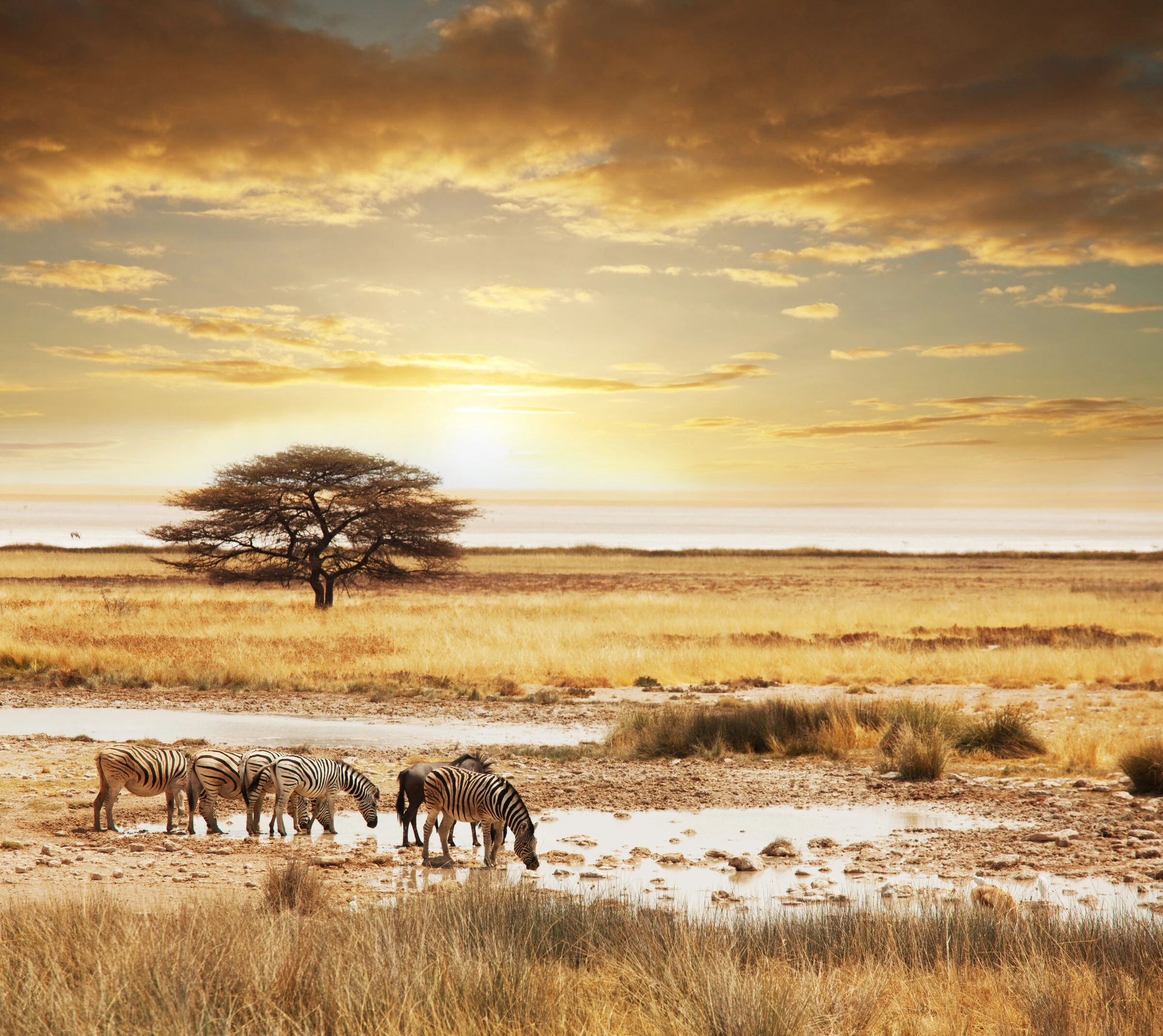
Botswana’s floodplains explored by traditional wooden mokoro canoes, paired with South Africa’s premier private game reserves in Sabi Sand for intimate, world-class leopard tracking.
The problem with planning a safari yourself and what Google can’t tell you from your desk.
Travel companies, including reputable ones, go through cycles. An operator that was rock-solid three years ago may be running on thinner margins today. Knowing who is in strong shape requires active industry relationships.
Properties change. Ownership changes. Management changes. A camp that earned its reputation five years ago may have turned over its entire guide staff since the last review was written.
Things go wrong in travel. Flights get canceled. Camps flood. Wildlife does not follow a prescribed timetable. The question is whether your operator handles disruptions with integrity, or goes quiet.
Not every excellent camp suits every traveler. A camp perfect for a solo adventurer in her fifties is not necessarily right for a multigenerational family with teenagers. Match and pacing matter deeply.
Deposit exposure, guide turnover, and inadequate vehicle maintenance turn an apparent bargain into a costly rescue mission when something falls through.
Putting three countries into eight days leaves you spending six hours a day on dusty transit roads or sitting in airstrip lounges rather than watching wildlife.
Strict park gate curfews and off-road bans mean you miss night drives, walking safaris, and private sightings. We always blend private conservancies with national parks.
Emergency medical evacuation from remote bush airstrips can cost tens of thousands of dollars. Standard credit card policies are almost never sufficient.
Private routes from our active collection, built with our dedicated safari partners and adaptable to your dates.
Examples rather than a fixed catalog, demonstrating the intimate scale, conservation footprint, and guide quality we demand.
Semi-permanent, canvas-tented luxury camps that move seasonally between Ndutu and the Mara River crossings. En-suite bucket showers, chef-prepared bush dining, and immediate access to sunrise wildlife action without the lodge commute.
Secluded safari suites set within private community-owned conservancies. Strictly restricted vehicle quotas ensure private wildlife viewing, paired with night game drives and guided bush walks forbidden in the national parks.
Architectural lodges perched directly on the caldera rim at 2,300 meters. Floor-to-ceiling glass, wood-burning fireplaces, and priority early descent permits onto the crater floor before crowds arrive.
Elevated tented suites nestled beneath ancient riverine forest on private Delta concessions. Glide silently past hippos and elephant herds in traditional mokoro canoes, followed by helicopter flights across the floodplains.
The Migration is a year-round circular movement, not a single calendar date. Where you stay depends on what you want to witness.
| Window | What It’s For & What to Expect |
|---|---|
| July to October | Northern River Crossings: Millions of wildebeest and zebra brave crocodile-filled Mara and Grumeti rivers. High drama, peak predator encounters, and dry sunny weather. Book 12+ months ahead. |
| January to March | Southern Serengeti Calving: Hundreds of thousands of calves born on the Ndutu short-grass plains. Intense predator hunting, emerald-green scenery, fewer crowds, and exceptional birding. |
| May to June | The Rut & Western Corridor: Herds move northwest through the Grumeti. Shoulder season rates, lush green landscapes, and transitioning wildlife corridors. |
| November to December | Short Rains & Return South: Fresh grass draws herds south across the central plains. Brief afternoon showers, low visitor numbers, and dramatic skies for photography. |
| April to May | Long Rains: Heavy rainfall across East Africa; many remote bush camps close for annual maintenance. Excellent for green season rates in Southern Africa instead. |
Whether you work with us or not, these questions protect your investment and safety.
If the answer points to a booking platform or mentions a generic “wide network of partners,” keep asking. You want verified on-the-ground experience, direct owner relationships, and regular audits of camp standards.
First-hand knowledge or a trusted colleague’s direct inspection is the standard. “I’ve heard great things” or catalog reviews are not enough for an investment of this size.
The answer should be immediate and specific: a 24/7 dedicated local emergency line, a known ground director, and clear emergency contingency protocols.
A good advisor knows exactly what financial protections, supplier bondings, and payment staging structures are in place to eliminate your deposit exposure.
Emergency medical evacuation, trip interruption, and supplier default coverage are non-negotiable. Standard credit card travel coverage is almost never sufficient in remote East Africa.
The Migration runs year-round, but the experience shifts dramatically by month. River crossings in the northern Serengeti happen July through October. The calving season in the southern Serengeti, equally extraordinary and far less crowded, runs January through March.
For peak migration windows and top-tier camps, 12 to 18 months is recommended. The most intimate camps with the best resident naturalists fill very early.
A well-built family safari in Tanzania for five people, with private guides, quality camps and internal flights, runs well into five figures for the trip. Camp rates are all-inclusive and move a long way with season, concession and how far in advance you book. We would rather give you a real number for your dates than a range that ages badly, so ask.
The safari regions of East and Southern Africa (Tanzania, Kenya, Botswana, South Africa, Rwanda) are well-established destinations with exceptional private tourism infrastructure and dedicated bush security.
One of us personally owns your safari from the first conversation to your return home.
Africa has been called the trip that ruins all other travel, because nothing else quite measures up afterward. When you are ready to build that trip properly, let’s talk.