Destination

Private Alaska

The parts that take some getting to.

Region & Scope Denali, Southcentral & Katmai
Access Mode Rail, Floatplane, Boat & Heli
Best Season June – September
Ideal Pacing 9 to 14 Days

Most of Alaska has no road to it. That is the part we work in.

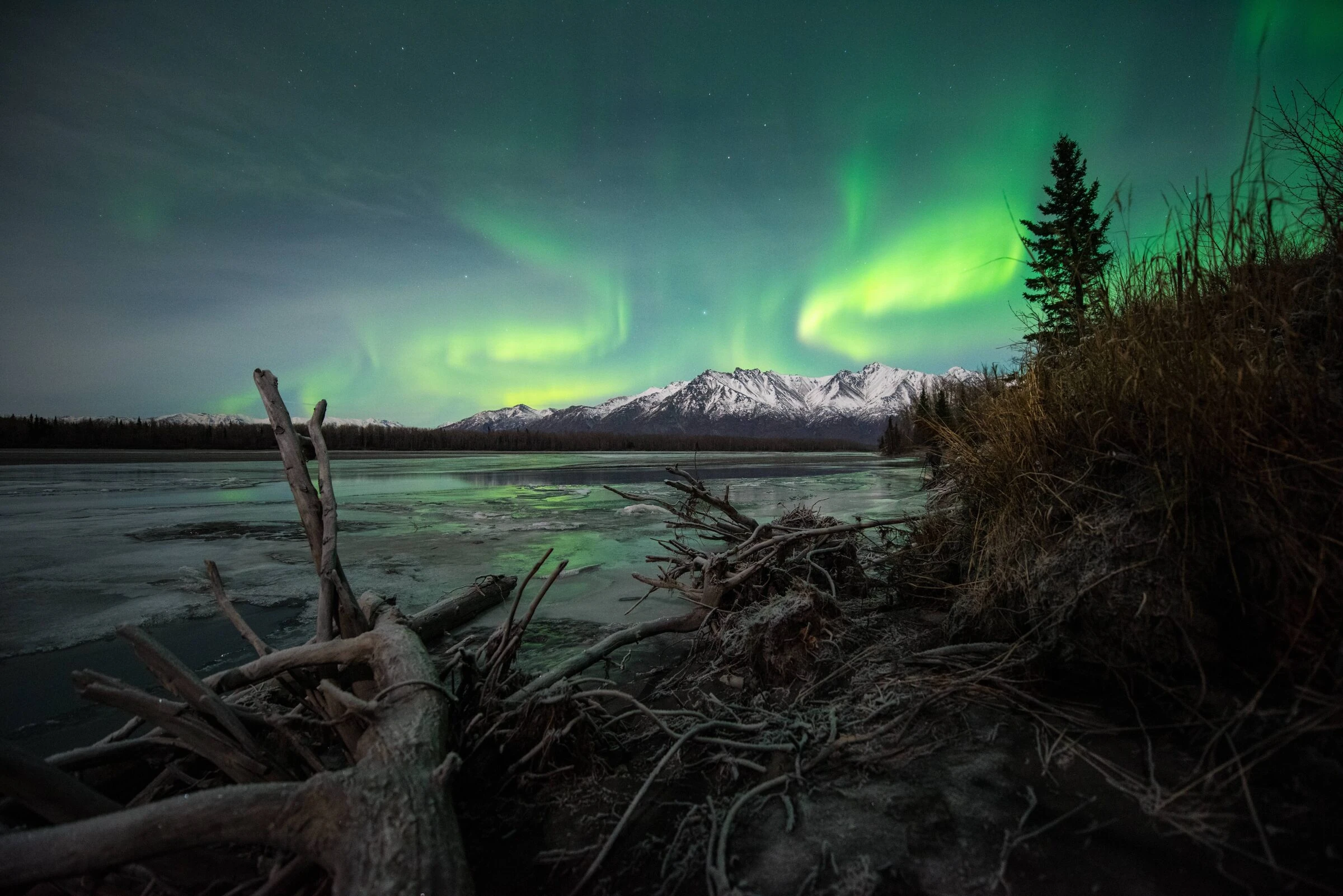
Your lodge sits on a lake nobody drives to. The bears on the Katmai coast are simply living their lives on a shore they have had to themselves for ten thousand years. The salmon run in rivers most people never hear named.

It is one of the most extraordinary places on earth, and almost invisible unless somebody points you at it.

This is the version we design.

Advisor Field Note

Floatplane Logistics & Weight Windows: Wilderness floatplanes operate with strict per-passenger luggage weight limits (typically 40–50 lbs in soft-sided duffels). We coordinate gear staging in Anchorage so excess luggage is securely stored while you fly into the backcountry with exactly what you need.

Regional Expressions

Regions

Three distinct environments, sequenced so the trip builds in wonder instead of exhausting you.
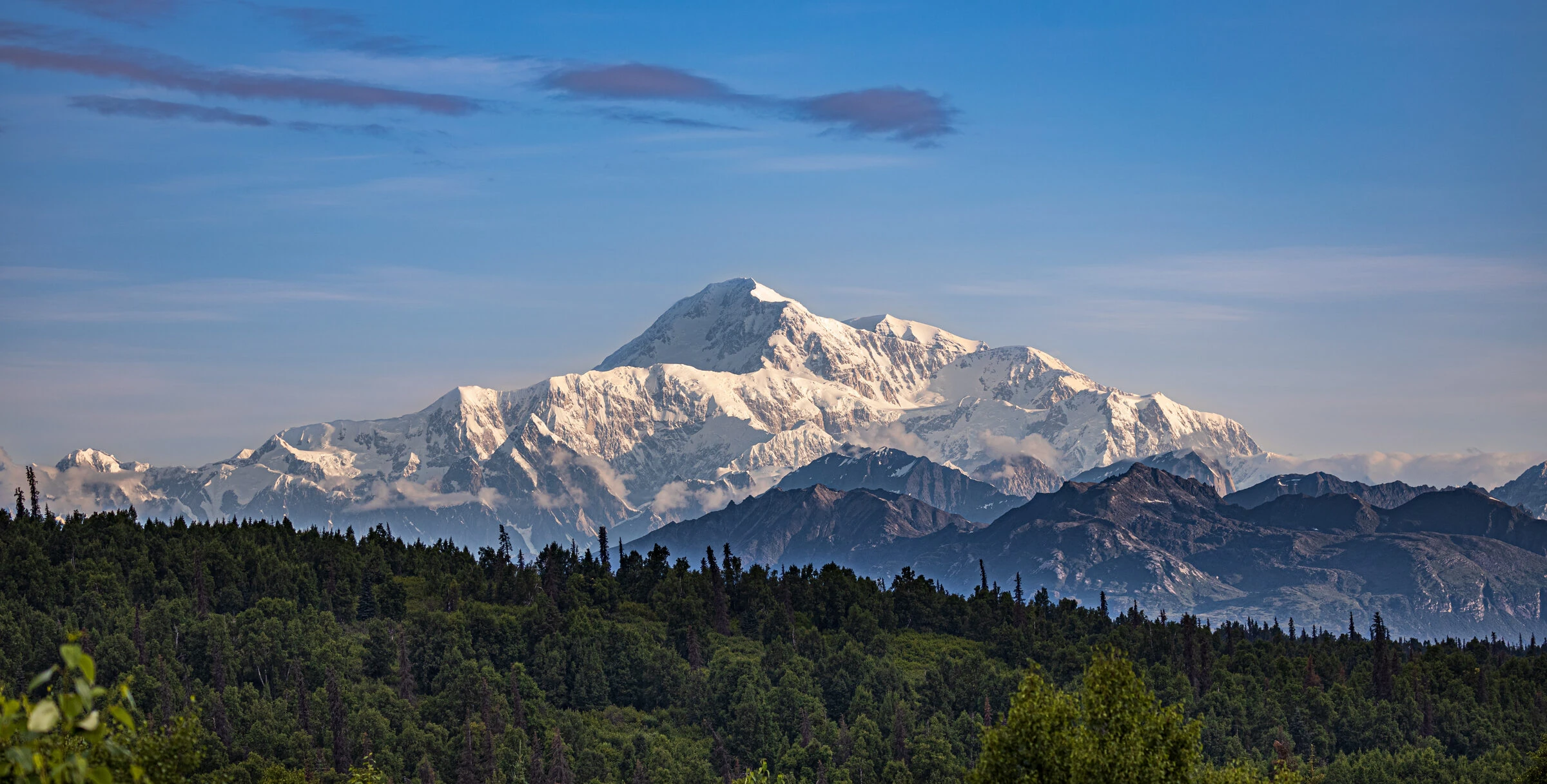
Denali National Park wilderness

Denali & Interior

Six million acres, inaccessible to private cars. Lodges deep inside the park like Camp Denali provide direct mountain views, resident naturalists, and ridgeline hikes well beyond the public road.
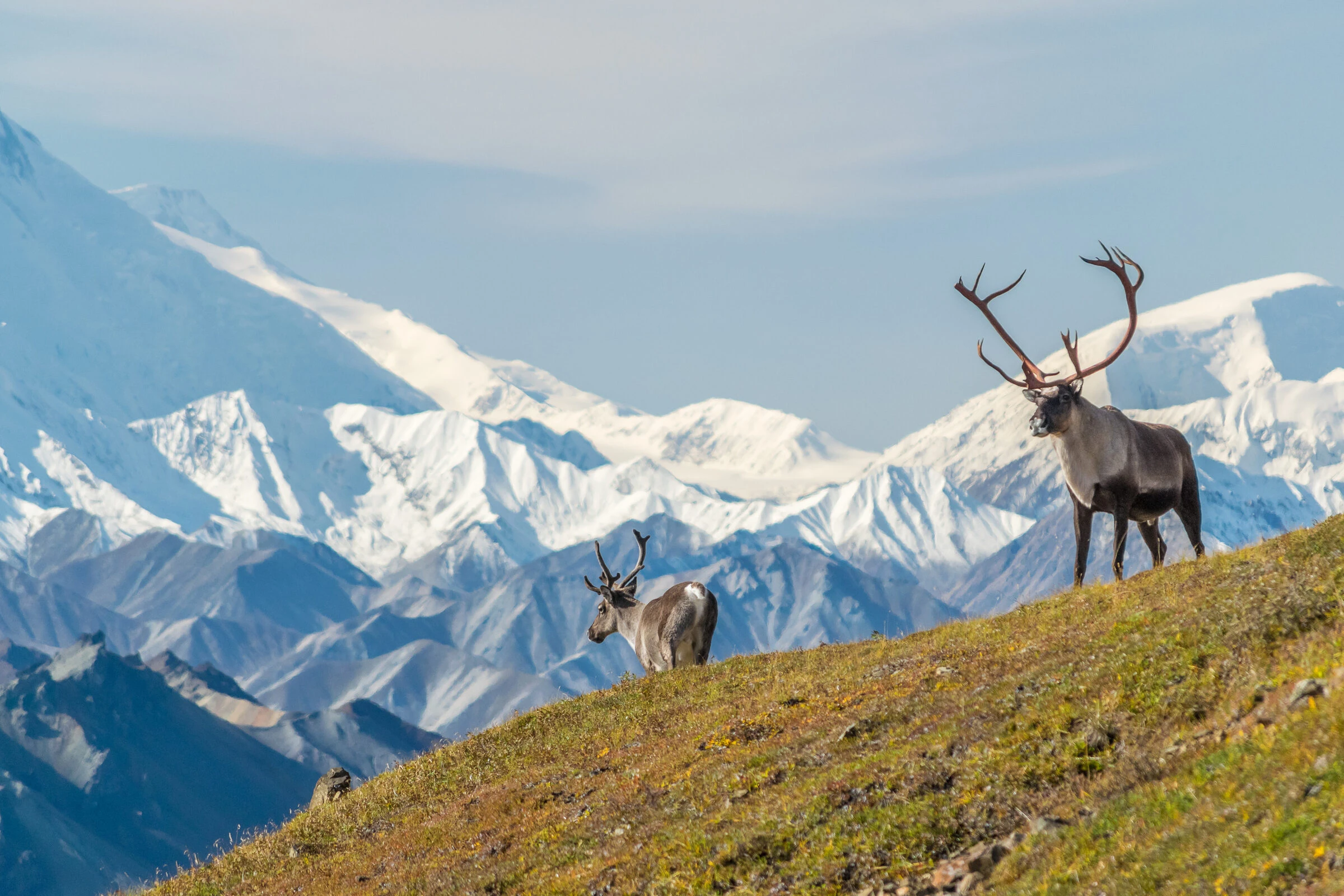
Backcountry Alaskan wildlife and waters

Backcountry Waters & Fishing

Southcentral waters reached only by floatplane. Chelatna Lake Lodge on Lake Creek hosts all five Pacific salmon species, wild rainbow trout, private guides, cedar chalets, and lakeside wood-fired saunas.
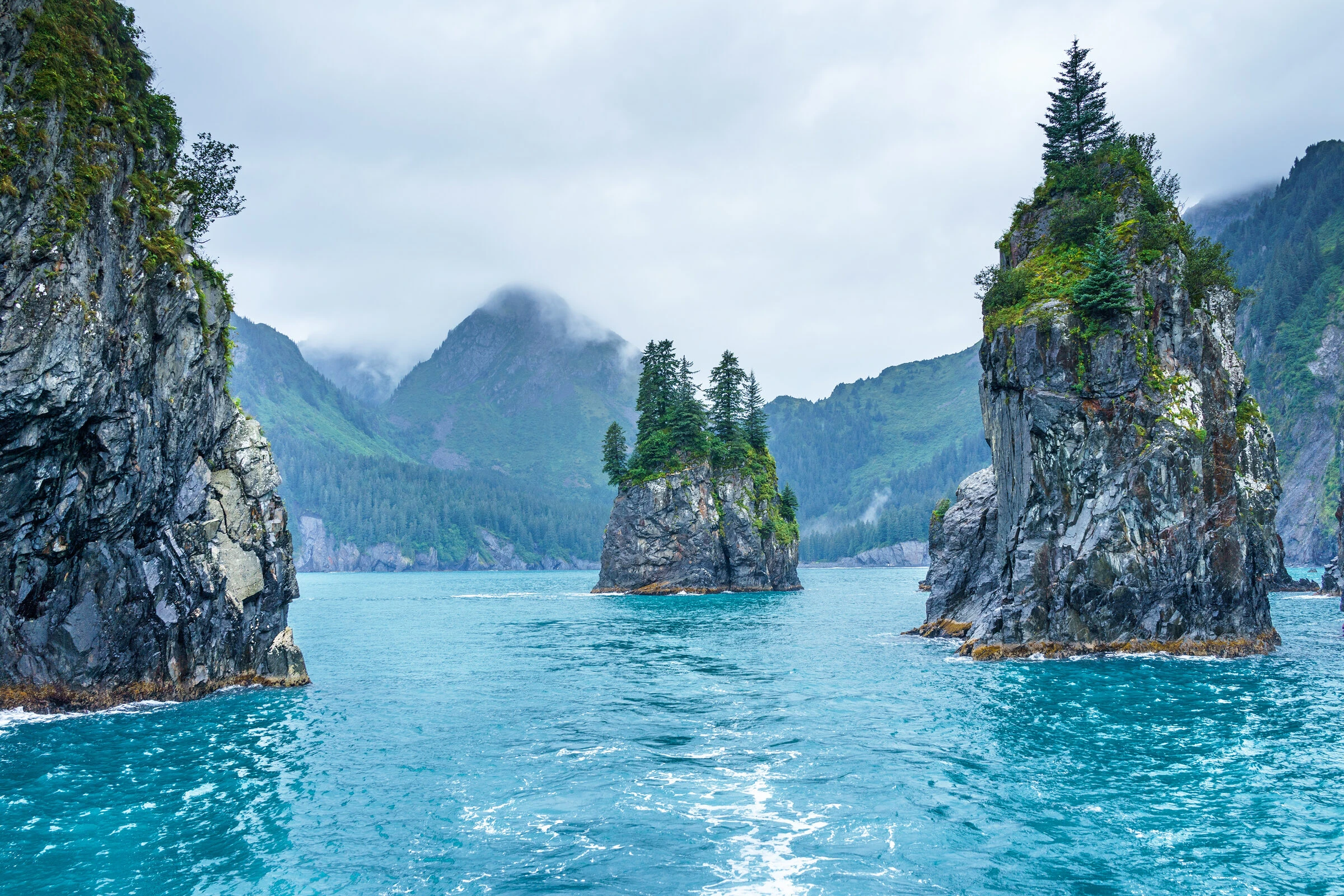
Kenai Fjords coastal waters

The Coast & Katmai

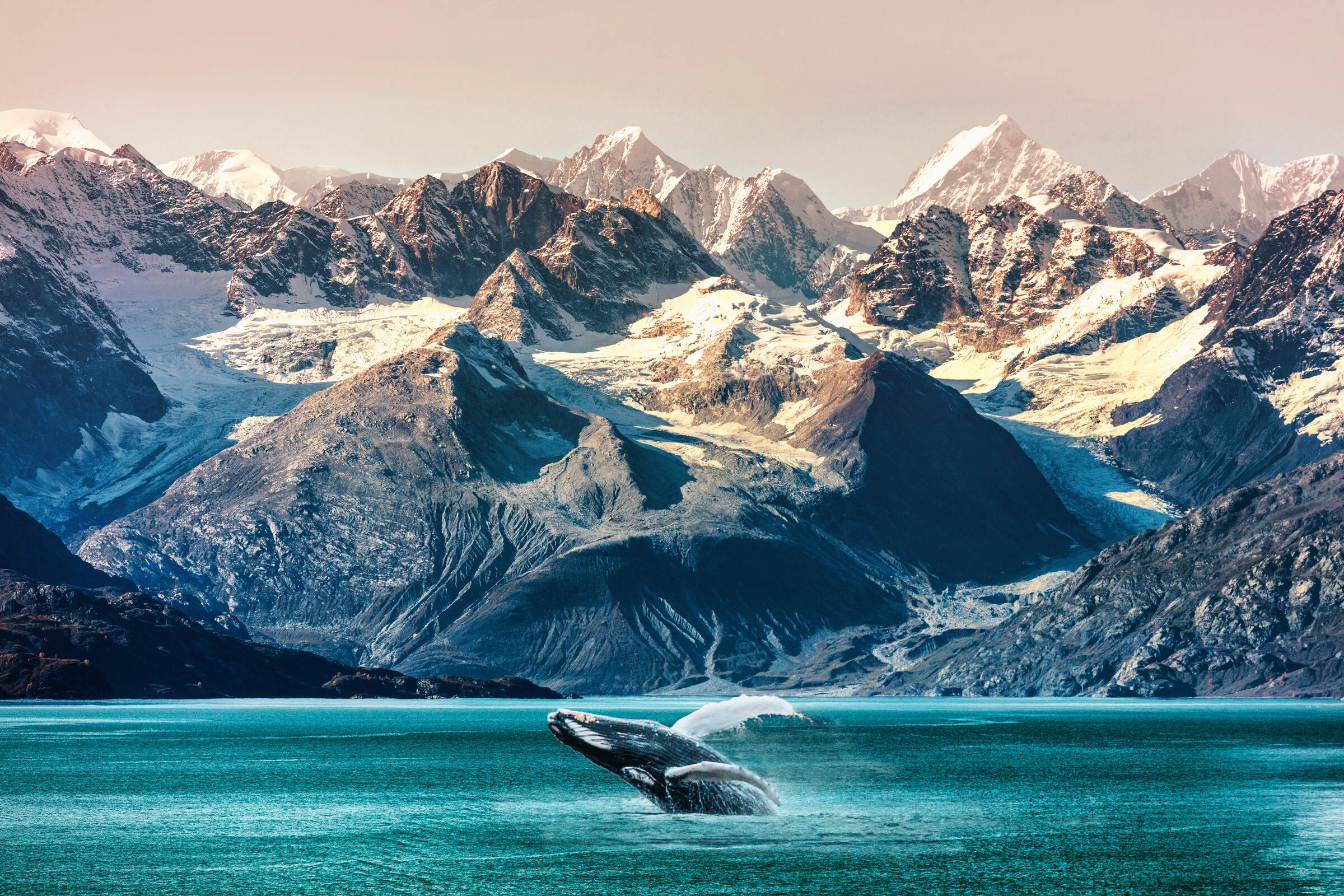
Kachemak Bay and Kenai fjords. Old-growth Sitka spruce, clear ocean waters, and floatplane access to the Katmai coast, where wild brown bears forage on open beaches.

What We Design in Alaska

  • Interior wilderness trips: Denali National Park, fly-in lodges, backcountry hiking, and Alaska Railroad transit.
  • Fishing lodge expeditions: Southcentral Alaska, floatplane-access waters, all five Pacific salmon species, grayling, and rainbow trout.
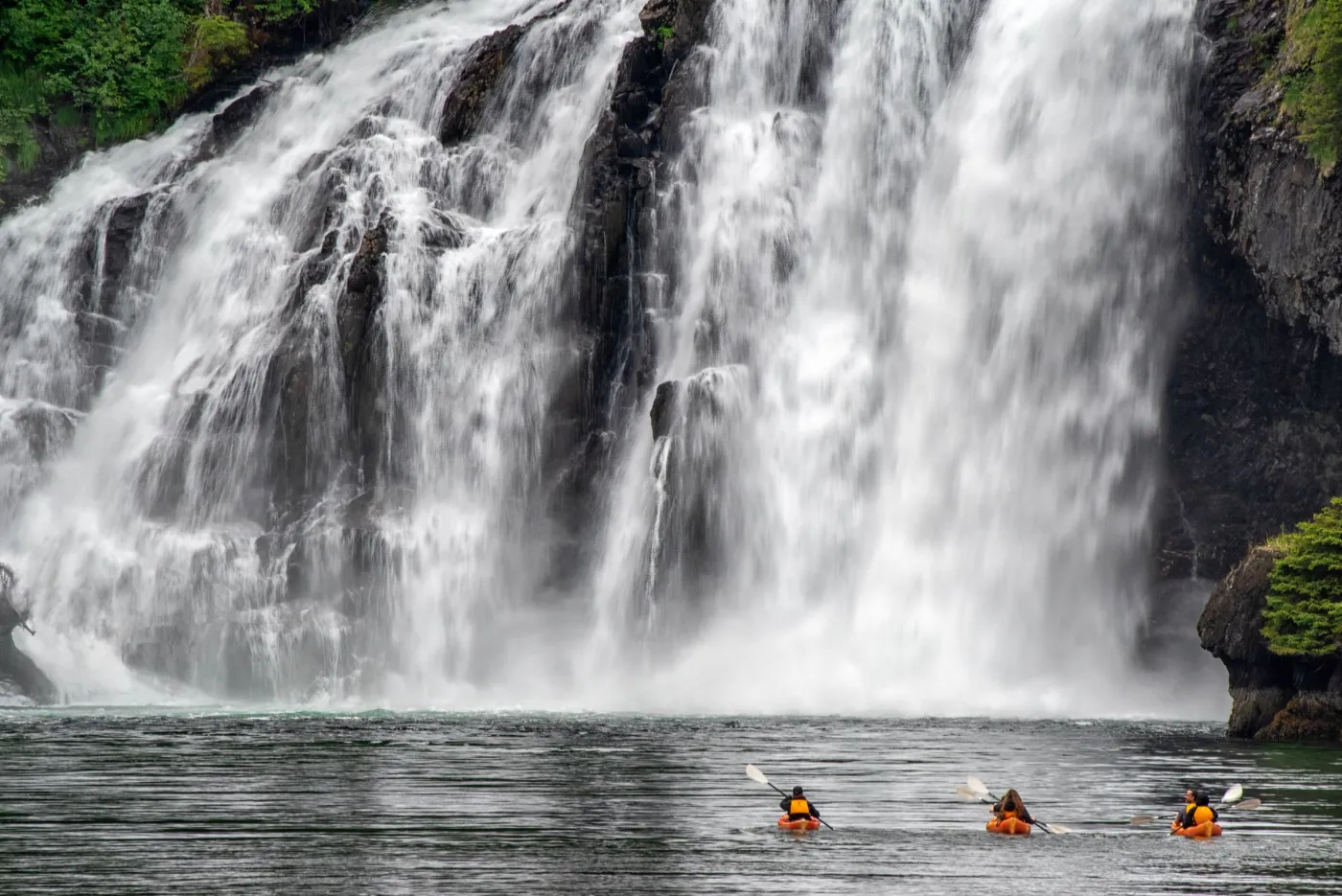
  • Coastal and bay itineraries: Kachemak Bay, Kenai Fjords, Katmai bear viewing, helicopter glacier landings, and fjord kayaking.
  • Combination routes: Interior to backcountry to coast, sequenced around wildlife timing and reliable bush plane connections.
  • Multi-generational family travel: Properties with genuine naturalist programming that engages younger travelers and balances pacing.
Expert Knowledge

Insider Guidance

The unvarnished facts and operational realities that separate an extraordinary Alaskan adventure from an expensive logistical compromise.

Why Alaska is Harder to Plan Than It Looks

Lodges don’t book like hotels

Camp Denali and premier fly-in wilderness lodges operate waitlists for peak dates years in advance. Knowing how and when to move is the difference between securing dates and missing the season.

Bush plane logistics are an exact discipline

Small aircraft run on distinct booking systems, weight caps (40–50 lbs), and unpredictable weather windows. Building real contingency buffers requires direct terrain knowledge.

Lodge quality gaps are invisible online

Dozens of properties look stunning in photos. Vetting naturalist guide caliber, culinary standards in remote camps, and conservation ethics requires direct relationships and on-the-ground experience.

The experience gap

Photographs cannot convey the quiet of stepping off a floatplane onto Chelatna Lake. Getting you there without stress is the whole job.

What We’d Talk You Out Of

A cruise with a few wilderness days bolted on

They do not fit inside one week. Moving between a ship and a bush plane costs a day at each end, and you arrive at the second half with two nights left. Give each one its own trip.

Three lodges in under two weeks

Our own twelve-day Alaska itinerary visits three properties, and that’s about the floor. Bush plane days are travel days, not bonus days, and they move when the weather does. Two properties in eight days will beat three in nine.

A single night anywhere you had to fly to reach

If getting somewhere took an aircraft and a weather window, one night is an expensive way to arrive, unpack, and leave. Two is the minimum that makes the journey in worth it.

A tight connection leaving the backcountry

Aircraft get grounded. It is not unusual and it is nobody’s fault. Put a night in Anchorage before any international flight, every time. It is the single most common way a good trip ends badly.

Leaving booking until spring

The properties worth the money are often committed twelve to eighteen months out. If you’re reading this in February hoping for July, tell us anyway and we’ll be straight about what’s left. But the good version of this trip is planned a year ahead.

Handcrafted Routes

Alaska Journeys

Tailored private itineraries combining wilderness rail transit, floatplane flights, and secluded luxury lodges.

View all journeys →
Field Notes & Dispatches

More Inspiration: From the Journal

First-hand dispatches, lodge spotlights, and expedition notes from our time in Alaska.

Alaska wilderness lodges
Wilderness Spotlight

Alaska’s Exclusive Wilderness

Read Story →
UnCruise Alaska Adventures
Boutique Cruising

Spotlight: UnCruise Alaska Adventures

Read Story →
Selected Stays

A few of the places we work with

Examples rather than a fixed list, to give you a sense of the kind of property we use and why an Alaska itinerary tends to be built around them.

Camp Denali with view of Mount Denali
In-Park Wilderness Rail & In-Park Transit
Denali National Park • Interior

Camp Denali

Founded in 1952 and set deep inside Denali National Park, with the mountain visible from every cabin window. Resident naturalists lead the days, and evenings are spent with visiting researchers. Peak dates run a waitlist years deep.

Sheldon Chalet overlooking Ruth Glacier
Glacier Nunatak Helicopter Only
Ruth Glacier • Don Sheldon Amphitheater

Sheldon Chalet

Perched on a nunatak five miles from Denali’s summit, 6,000 feet above the Ruth Glacier. Features private chef service, curated glacier treks, and aurora-spotting right from your bed.

Chelatna Lake Lodge wilderness
Floatplane Basecamp Floatplane Only
Lake Creek • Alaska Range Foothills

Chelatna Lake Lodge

A hundred miles northwest of Anchorage on an eight-mile lake at the edge of the Alaska Range, reachable only by floatplane. Lake Creek begins at the property. Cedar chalets with lakeside saunas and the Range filling the windows.

Tutka Bay Lodge coastal fjord
Chef-Led & Coastal Water Taxi / Floatplane
Kachemak Bay State Park • Homer

Tutka Bay Lodge

Six cabins on thirty-five private acres inside Kachemak Bay State Park, reached by water taxi from Homer or floatplane from Anchorage. Five chefs, including Michelin-trained and James Beard-recognized talent, and a helicopter based at the lodge.

Stillpoint Lodge waterfront
Island & Eco-Wellness Boat or Floatplane
Halibut Cove • Kachemak Bay

Stillpoint Lodge

An eco-lodge accessible only by boat or floatplane, surrounded by old-growth Sitka spruce. Organic garden-to-table cuisine, seaside yoga pavilion, and personal sea kayaking among whales, otters, and eagles.

Optimal Windows

When to Go, and What For

The season runs roughly May through September. Inside that window, the experience changes month by month.

Window What It’s For & What to Expect
May to early JuneIce-out. Fewer people and lower rates, with less settled weather.
Mid-June to mid-JulyThe best all-round window. Most stable interior weather and near-continuous daylight around the solstice.
June to early JulyKing salmon runs.
July and AugustSockeye salmon runs and peak demand across premier lodges.
July to SeptemberBrown bear viewing on the Katmai coast at its absolute peak.
Through SeptemberCoho salmon, vibrant tundra autumn color, and the season closing down.
Diagnostic Questions

What to Ask Before You Book Alaska

Whether you work with us or not, these questions are essential before committing significant funds.

Have you been to the specific lodges you’re recommending?

First-hand experience, or a trusted colleague’s direct experience, is the standard. “I’ve heard great things” is not sufficient.

How do you handle bush plane scheduling disruptions?

The answer should be immediate and specific. A seasoned advisor has established contingency protocols for weather delays and can describe them clearly.

How far in advance do the properties you recommend need to be booked?

If the answer is “usually a few months,” be skeptical. The best wilderness properties in peak windows are often committed a year or more out.

Are the guides at these lodges employed by the lodge or contracted independently?

Staff guide teams have consistent safety and naturalist standards. Contracted guides vary widely.

What does travel insurance need to cover for a trip like this?

Emergency medical evacuation in remote Alaska can cost tens of thousands of dollars. You need coverage that specifically includes remote medical evacuation, trip interruption, and supplier default. Credit card benefits are not sufficient.

Frequently Asked

Alaska Planning, Answered

What’s the best time of year to visit Alaska?

For the interior and Denali, June and July offer the most stable weather and longest daylight. Salmon runs vary by species: king salmon peak in June and early July; sockeye in July and August; coho through September. Bear viewing on the Katmai coast is exceptional July through September. For combination trips, mid-June to mid-July captures the best of everything.

How far in advance do I need to book an Alaska lodge trip?

For fly-in wilderness lodges like Camp Denali, twelve to eighteen months is not excessive. Some peak week availability books even earlier. If you’re planning for next summer, reach out as early as possible so we can secure preferred dates.

Does Alaska work for families with younger children?

Yes, with the right property selection. Camp Denali has naturalist programming specifically designed for younger travelers. Coastal lodges with sea kayaking, tide pools, and accessible wildlife viewing are ideal for mixed ages. Pacing is key, and we design that in.

How much does a private Alaska lodge trip cost?

Per-person per-night costs at top-tier Alaska lodges typically run $1,500 to $2,500, all-inclusive (covering private guiding, all meals, gear, and excursions). A twelve-day family trip combining two or three properties with floatplane connections and rail transit runs $80,000 to $130,000+ for a family of four to five. We provide clear, transparent pricing before you commit.

Is Alaska physically demanding?

It depends on the itinerary. Backcountry hiking in Denali involves elevation and terrain, always paced by expert naturalists. Fishing lodges require minimal physical strain, and coastal lodges offer sea kayaking and hikes as optional activities. We match every activity to your comfort level.

Personal Advisory

Your Alaska Design Team

One of us personally owns your trip from the first conversation to the last night.

Deb Miller

Deb Miller

Experience & Adventure Designer
Frank Castro

Frank Castro

Expedition Partner & Adventure Specialist
Start the Conversation

Ready when you are

Alaska has a way of making everything else feel slightly smaller by comparison. If you’re ready to build that trip, designed properly with direct personal attention, let’s talk.

Start Planning Book a Discovery Call