Extraordinary travel does not always require a passport.
Two Californias, four hours apart, and almost nothing in common.
One is a hundred miles of cliff road where the mountains fall into the Pacific and the weather decides your afternoon. The other is a valley floor where lunch takes three hours and nobody is trying to move you along.
This is home ground. Deb has lived in Northern California and the Bay Area for most of her adult life, which means the recommendations here are not researched. They are just known.
It also means we will tell you which famous places are worth it and which ones are a bus park with a tasting fee.
Highway 1 through Big Sur closes. Not as a freak event. Landslides and fire have shut sections of the route in most recent years, sometimes for months. Big Sur is still reachable from the north or the south, so a closure changes which direction you drive in and how long it takes, not whether you go. We check the road before we build the route, and we build every Big Sur itinerary so that a closure costs you a drive rather than the trip.
A coast, a working wine region, and the famous one next door.
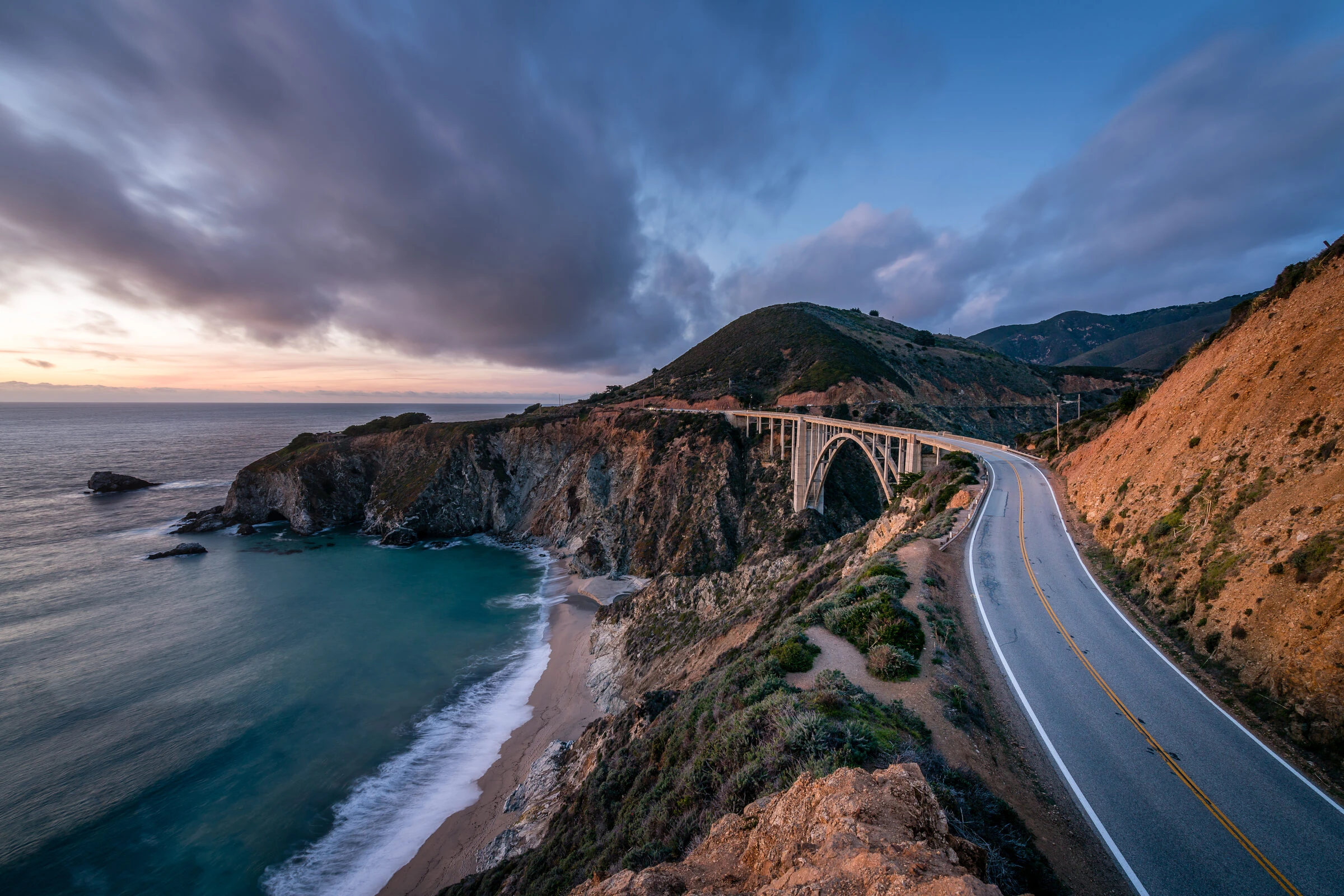
The Santa Lucia Range meeting the Pacific with almost nothing built between them, and Monterey Bay at the north end with one of the best aquariums in the world. Slow it down or it is just a drive.
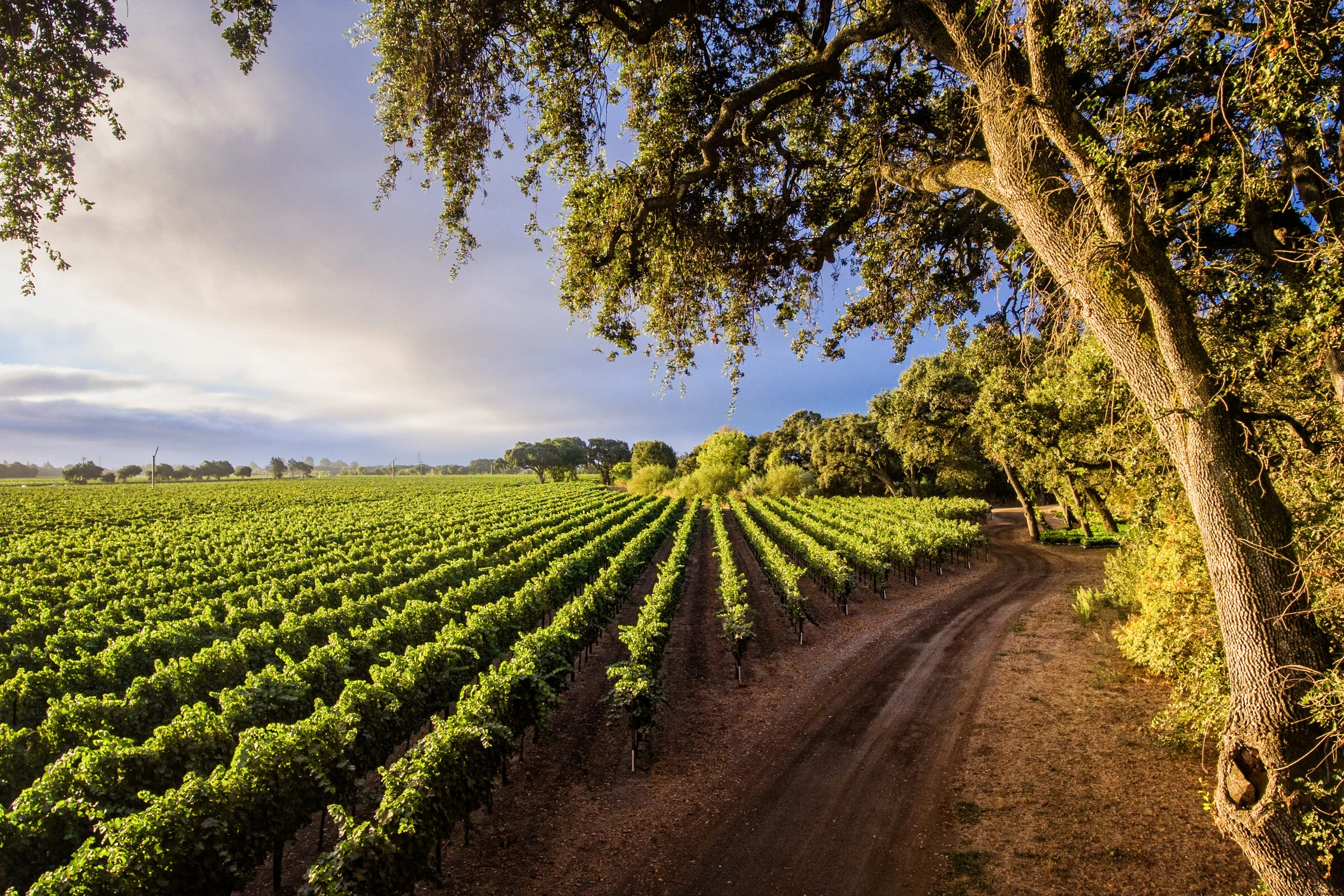
More than a dozen distinct growing regions, from cool-climate Pinot Noir to Cabernet that holds its own against anything over the hill. Family estates where the person pouring often grew the fruit.
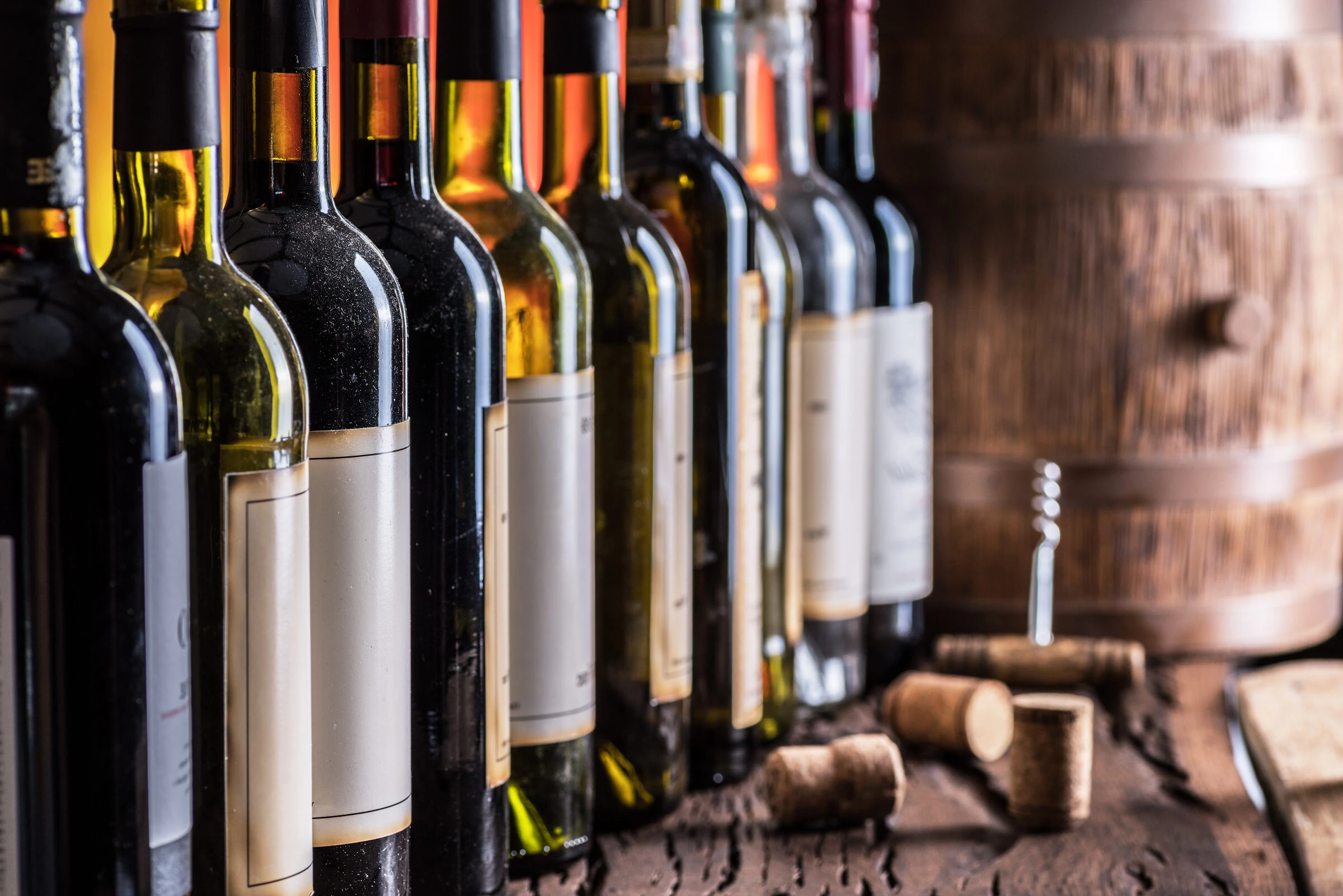
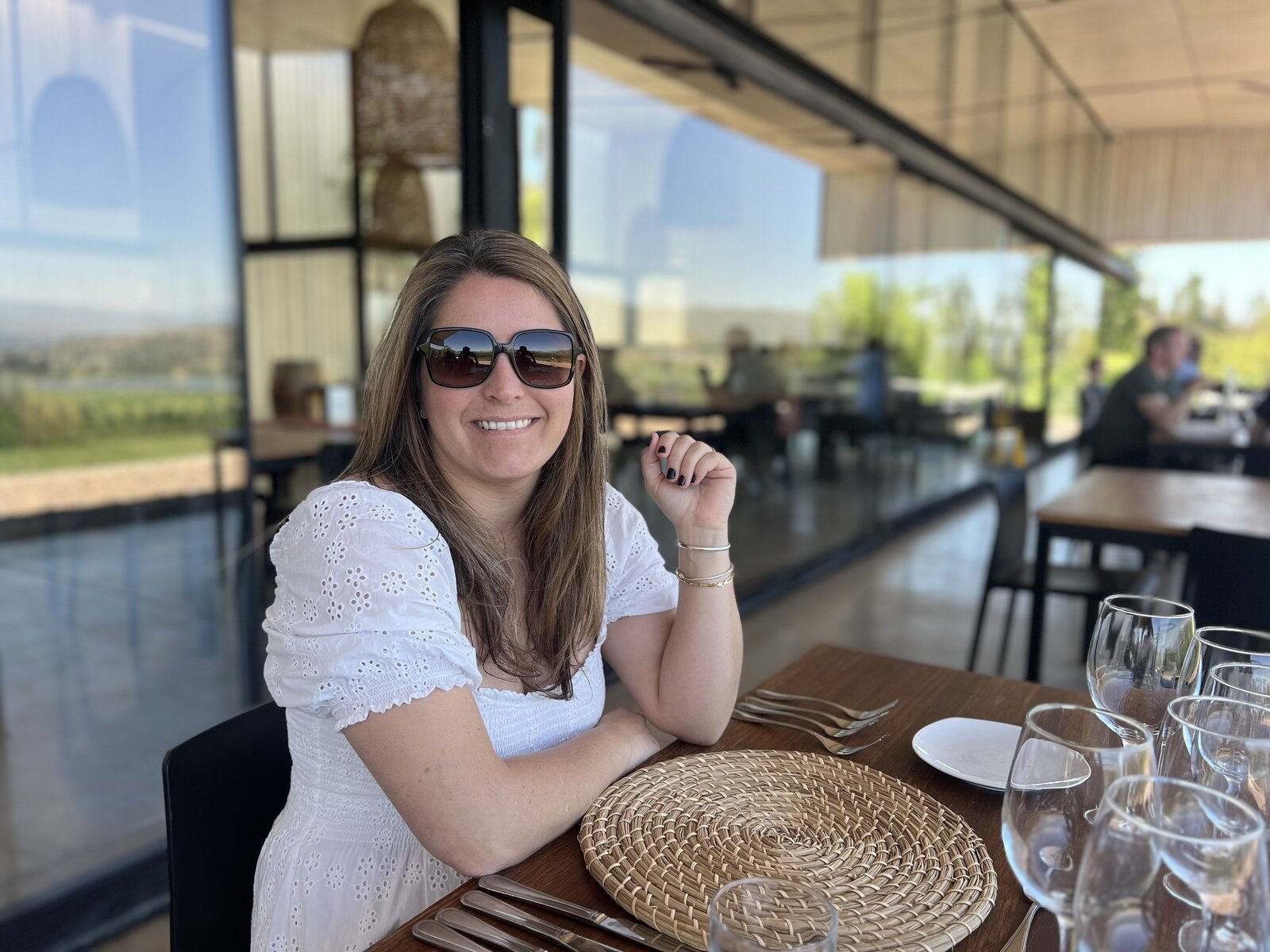
Wine and restaurants that have earned every accolade they have, alongside tour buses and tasting rooms built as architecture first. Worth doing deliberately, on the estates that still behave like wineries.
California looks like the easiest trip on this site to plan yourself. Two things make it harder than it looks.
Highway 1 has closed for landslides and for fire in most recent years. A closed section does not put Big Sur out of reach, but it does decide which end you come in from, where you sleep and how the days sequence. Build the route around the road, not the other way around.
Small family estates receive visitors by reservation because they can only host a handful of people a day. A good number do not receive the public at all. Those are the visits worth having, and they need someone to make the call rather than a form to fill in.
September and October are wine country at its most alive, with fruit coming in and fermentation running in the cellars. Everyone else has worked that out too, and the wineries are also flat out doing their actual job.
The Glass Fire took Calistoga Ranch in 2020 along with whole vineyards. The region rebuilt and is still making some of the best wine in the world, but late summer and autumn carry a real risk of smoke, closures and evacuations. It is a reason to have a contingency, not a reason to stay away.
You will have seen it through a windshield and stopped at the same four pullouts as everyone else. Two nights on the coast is the difference between a photograph and a trip.
Three is the honest maximum and two is usually better. The point is the conversation with the person who made the wine, and that does not happen on a schedule.
Harvest weekend traffic on Highway 29 is its own attraction. Midweek, or Sonoma, or both.
Non-refundable cliffside rooms and a closed highway is an expensive combination, and it happens every year to people who did not think to look.
Booked as published, or rebuilt around your dates and your pace.
Longer reads on the valleys, the estates and the version of this you cannot Google your way into.
Examples rather than a fixed list, and a sense of what the two halves of this trip actually feel like.
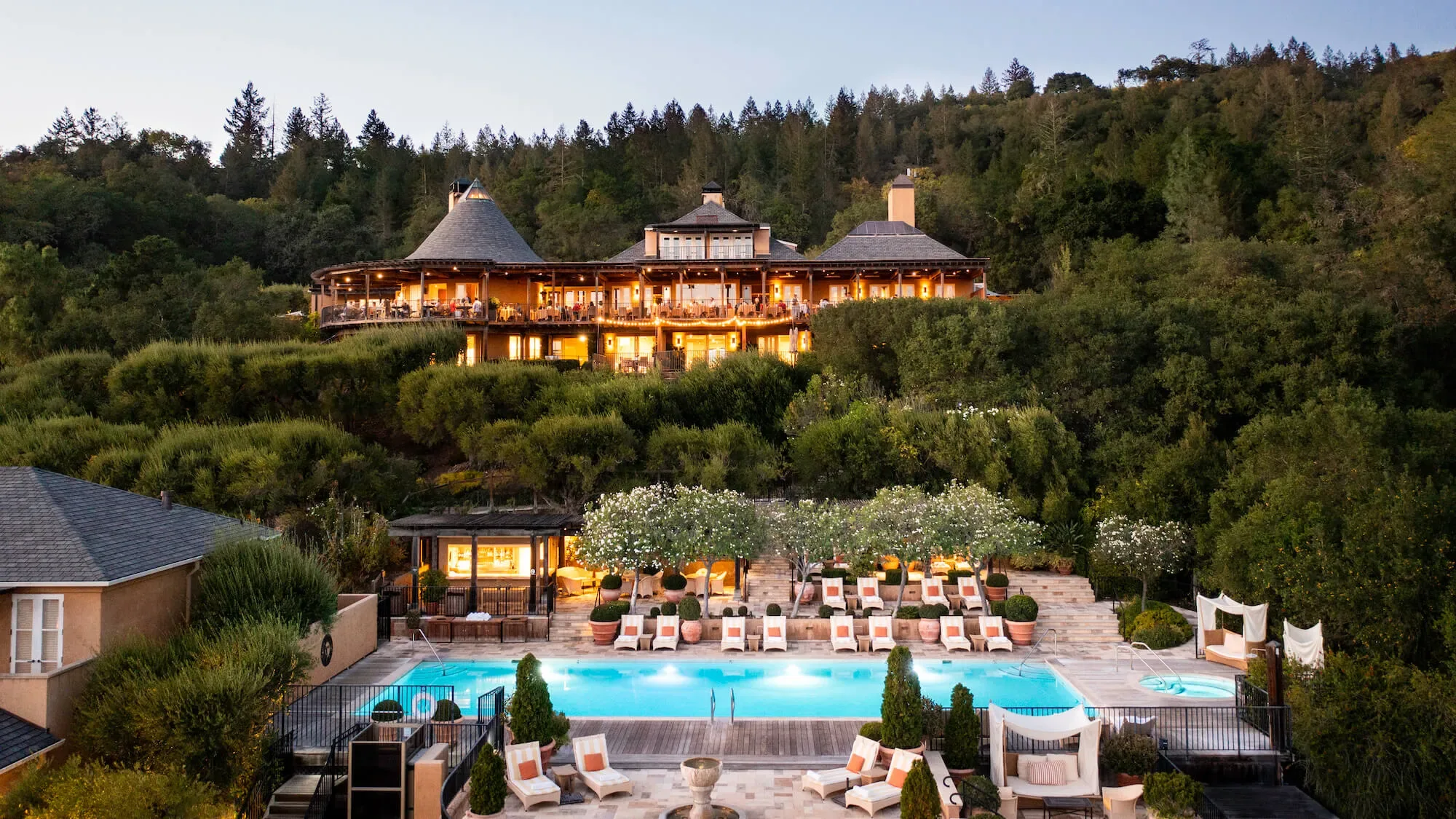
On a cliff twelve hundred feet above the ocean, inside a wilderness area, with a minimum age of eighteen to check into a room. The anchor of the Big Sur journey and the reason people give the coast more than one night.
Acres of terraced olive groves looking down the valley, and a restaurant that has held its standard for decades. If there is one luxury stay to spend on in Napa, this is the strong contender.
Intimate, with food that is Michelin-starred and not fussy about it. Closer to staying at an elegant friend’s country house than at a hotel, which is the whole point of it.
Quietly the most sophisticated small town in wine country, and the smartest base in it. Dry Creek, Russian River and Alexander Valley are all within a fifteen-minute drive of the square.
There is no bad month here. There are months that suit completely different trips.
| Window | What It’s For & What to Expect |
|---|---|
| March to May | Budbreak. Everything green and blooming, perfect weather for eating outside, and the wineries not yet into their busy season. The best all-round window. |
| June to August | Warm inland and often fogged on the coast, which surprises people. Busy everywhere. Fine, but not the version of California anyone writes home about. |
| September to October | Harvest and crush. Fruit coming in, cellars working around the clock, wood smoke and fermentation in the air. The most alive the region gets, and the hardest to book. |
| November to February | Underrated. Few visitors, fires lit in the tasting rooms, heartier menus, and rain. The coast is dramatic and the wine country is yours. |
| Any month | Check Highway 1 before committing to anything non-refundable on the coast. This applies year-round, not just in winter. |
Whether you work with us or not, these are worth asking first.
Ask for the current status and the alternative. A Big Sur trip with no plan for a closed road is a trip with a single point of failure.
The estates worth visiting take a handful of people a day and some take none. A list of names is not a set of appointments.
Four or five is a schedule, not an experience, and it ignores the fact that you are drinking. Ask what the day actually looks like.
It is a wine trip. Somebody has to not be drinking, or somebody has to be hired. Decide that before you arrive rather than at lunch.
Late summer and autumn carry real risk in both regions. You want to know what happens to your deposit and your itinerary before you need to know.
Sometimes, and it is the first thing to check. Landslides and wildfire have closed sections in most recent years, occasionally for months. Big Sur is reachable from the north or the south regardless, so a closure changes which direction you approach from and how long the drive takes. We check before we build the route, not after.
Sonoma, most of the time. Napa has wine and restaurants that have earned every accolade they have, and it also has tour buses and tasting rooms that feel more like theme parks. Sonoma still feels like working wine country, with family-owned estates where the person pouring is often the person who grew the fruit. If you want the famous Napa names we will build that. We will just tell you what you are choosing.
Spring, roughly March through May, for budbreak, green hills and no crowds. September and October for harvest, when the cellars are working around the clock. Winter is genuinely underrated: fewer visitors, fires lit in the tasting rooms, heartier menus.
At the large ones, often. At the ones worth the trip, rarely. The small family estates take visitors by advance reservation because they are small, not because they are being exclusive, and a good number do not receive the public at all. Those visits need an introduction rather than a booking form.
Seven to ten is comfortable. They are about four hours apart and they are opposite experiences, so pairing them works well as long as you are not trying to do both in a long weekend. The mistake is treating the drive between them as a travel day rather than part of the trip.
One of us personally owns your trip from the first conversation to the last night.
Tell us whether you want the coast, the valleys, or both, and roughly when. We will tell you what the road is doing and what is actually bookable.