Field Notes
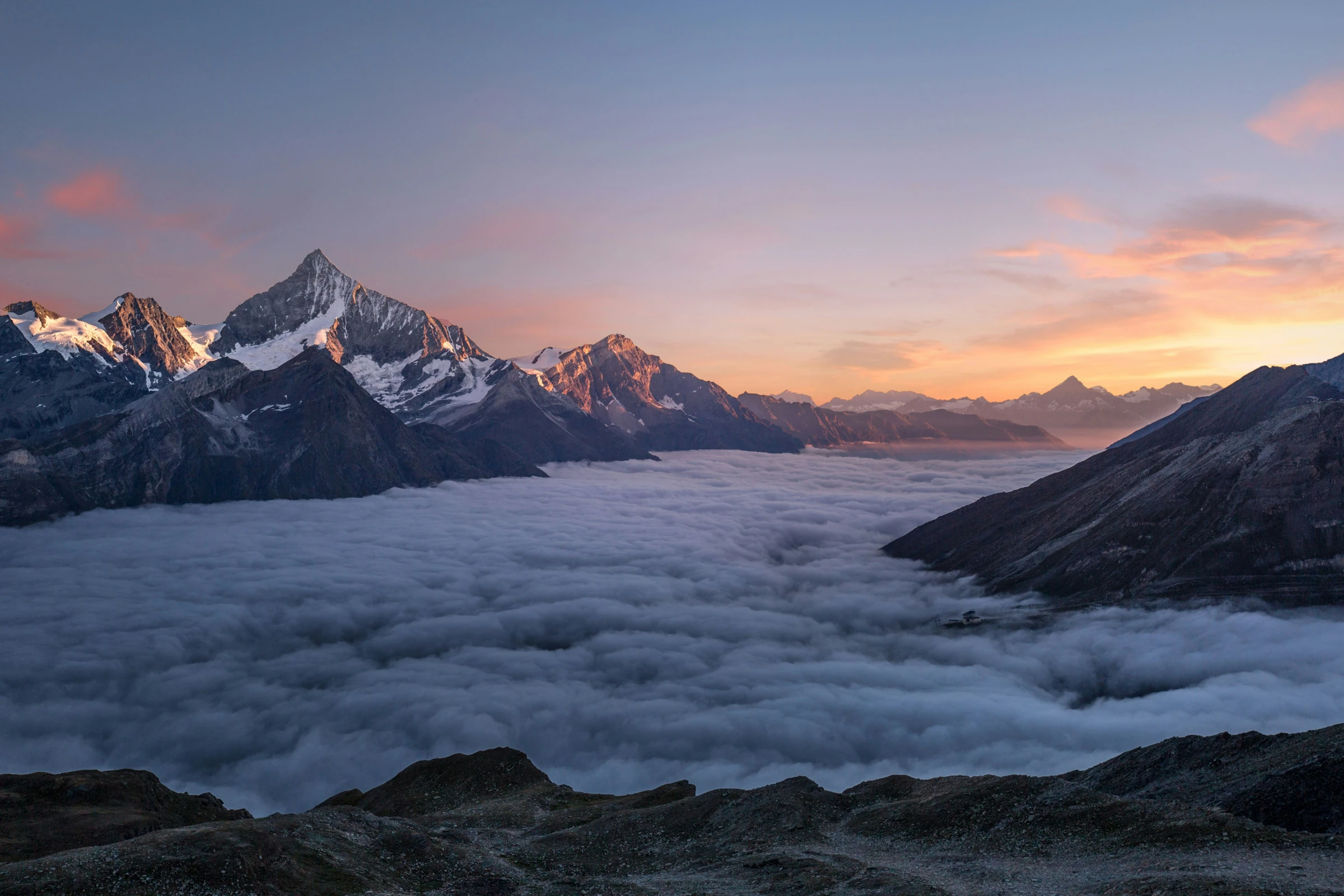
Destination
The Alps
The beds are booked a year before the walking starts.
The beds are booked a year before the walking starts.
The Alps have a three-month season and a booking window that opens nine months before it.
Refuges on the Tour du Mont Blanc release their availability in late September and early October for the following summer. The good ones are gone in days, sometimes hours. Which means the walk you take next August is decided by what you did last autumn.
The walking itself is more forgiving than people expect. With luggage moved between stages you carry a daypack, sleep somewhere with a kitchen and a wine list, and still cross three countries on foot.
The hard part is the calendar, and the calendar is the part we handle.
Finalize by the end of September, walk the following July: Tour du Mont Blanc refuges begin listing availability from around the start of October, and the sought-after huts fill within days. For the 2026 season, bookings opened on October 15 and the platform struggled under the load. We settle your stage plan in September so that the moment a refuge opens we are booking rather than deciding.
Three ranges, four countries, and three quite different ideas of what a mountain week should feel like.
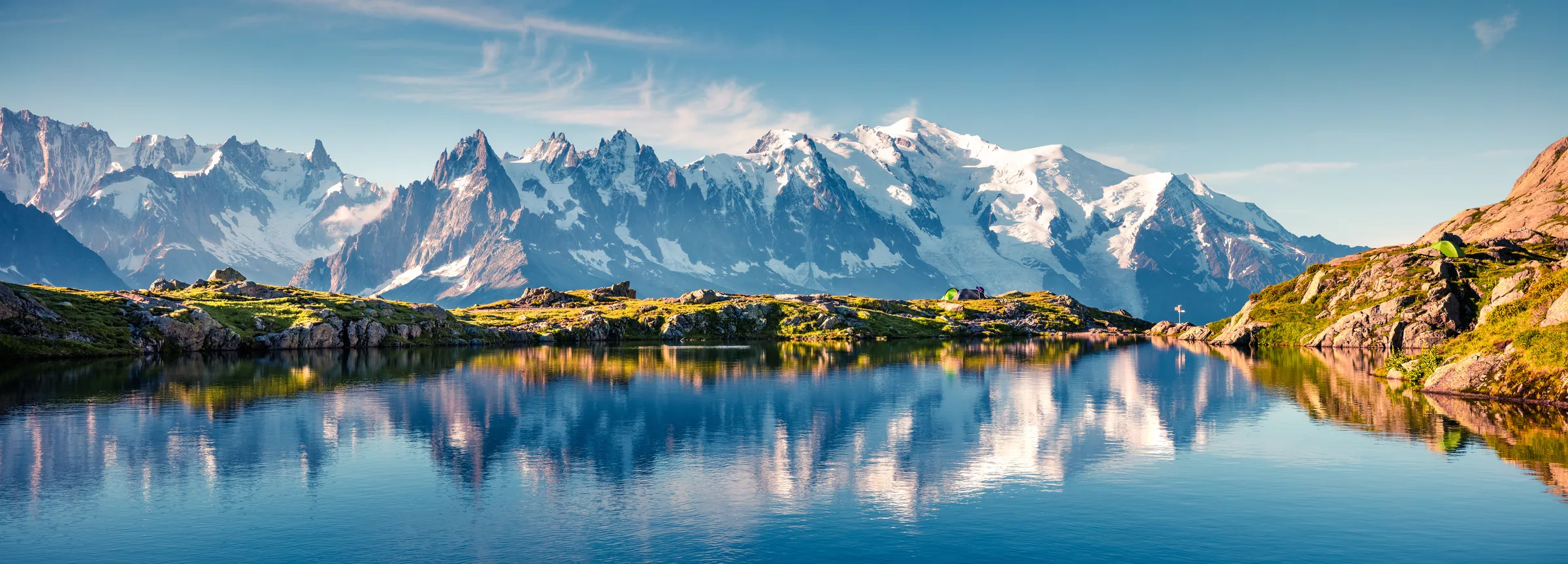
The Tour du Mont Blanc runs around 170 kilometers and roughly 10,000 meters of ascent through France, Italy and Switzerland, most often over eight to eleven days. The classic, and still the one people mean when they say they want to walk in the Alps.
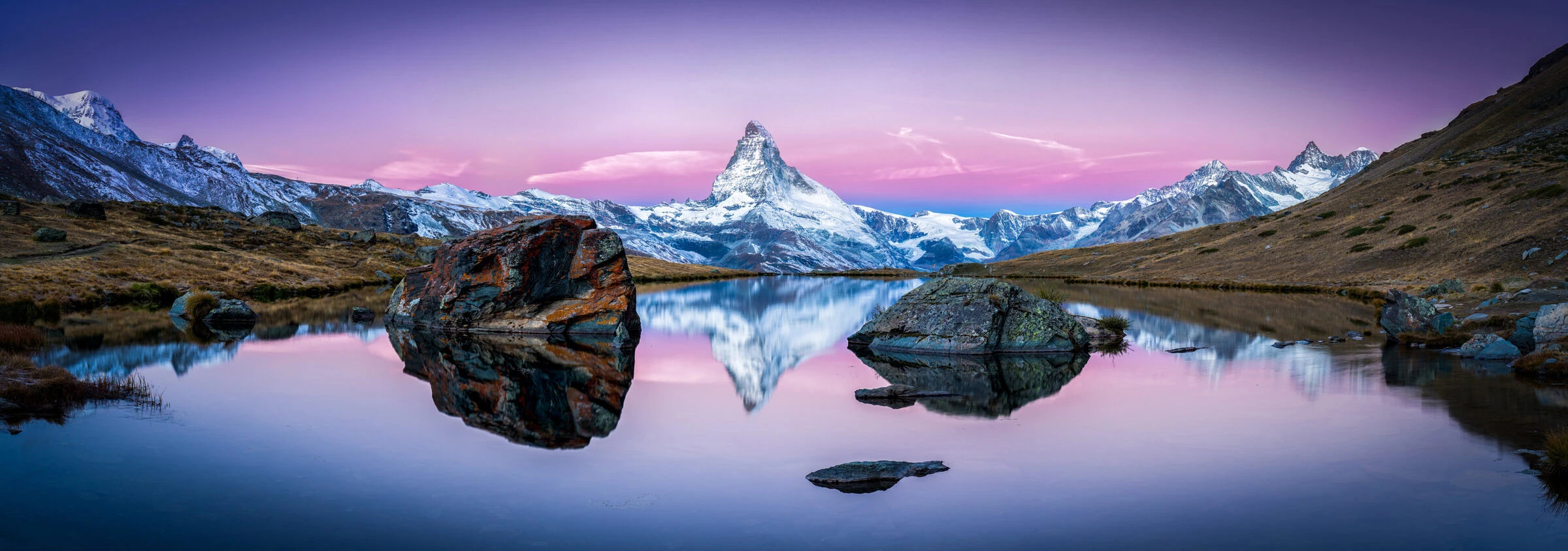
Where the Walker’s Haute Route finishes, walking from Chamonix to Zermatt over about two weeks and arriving with the Matterhorn in front of you. Higher, wilder and considerably quieter than the Mont Blanc circuit.
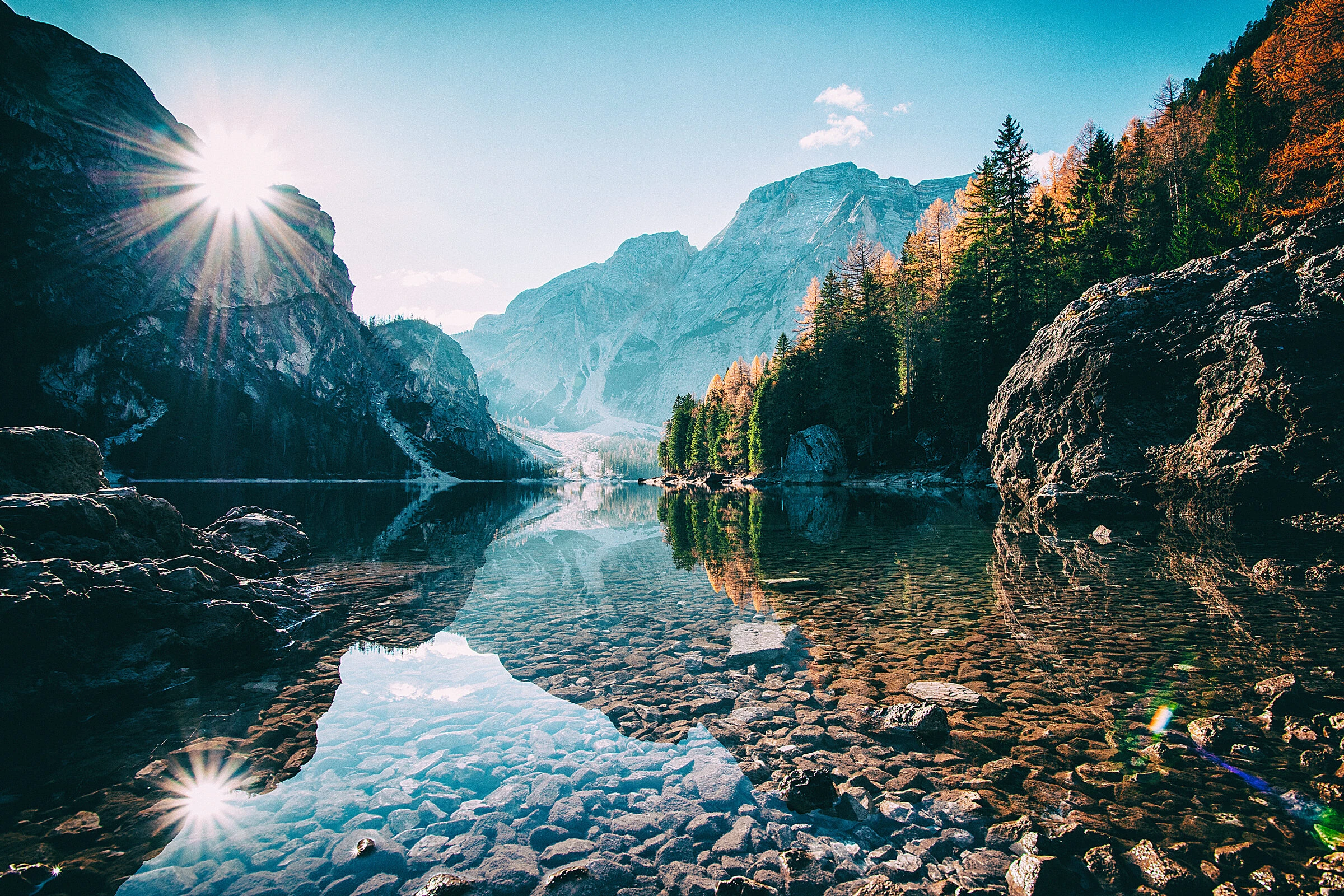
Limestone spires straight out of green pasture, turning coral-pink at dusk in a phenomenon the locals call enrosadira. Trilingual valleys, rifugio lunches, and the best hut network in the Alps.
In the Alps the walking is the easy part to arrange. Everything else runs on a calendar most people find out about too late.
Tour du Mont Blanc huts list availability from late September or early October for the following summer, and the popular ones are gone within days. Your itinerary has to be settled before the release, because there is no time to decide once it opens.
Snow lingers on the higher passes well into the early season, particularly Col de Tricot, Col Ferret and the Fenêtre d’Arpette, and some huts are still shut or running limited service. It can be an excellent time to walk, with the right route and the right expectations.
A refuge is a fixed point on a fixed night, and a missed booking cannot simply be walked past. Rearranging one stage usually means rearranging three, which is why a partly-booked circuit is worse than an unbooked one.
The Mont Blanc circuit crosses France, Italy and Switzerland on foot, which is simple at the passes and less so for luggage transfers, currency, telephone coverage and where your guide is licensed to work.
By March the huts you actually want have been booked since October. It is not impossible, and it is a different trip built from what is left. If the classic circuit matters, start the autumn before.
Eight to eleven days at around a thousand meters of ascent daily is a real commitment. The best five days of the TMB, walked properly with rest built in, beats eleven days endured.
Transfers between stages cost very little and change the trip completely. Nobody has ever come back wishing they had carried more.
The day-trippers arrive from Venice and Cortina and the most famous towers in the Dolomites get busy. Walk it at dawn with a guide, or walk the Cadini ridge instead and look across at them.
High passes close, cable cars stop and thunderstorms build through the afternoon in August. A circuit with a fixed bed every night and no spare day is a circuit that breaks on the first bad forecast.
Two long walks from our private collection, the Tour du Mont Blanc and the Dolomites. Both are published in full, and either can be rebuilt around your pace.
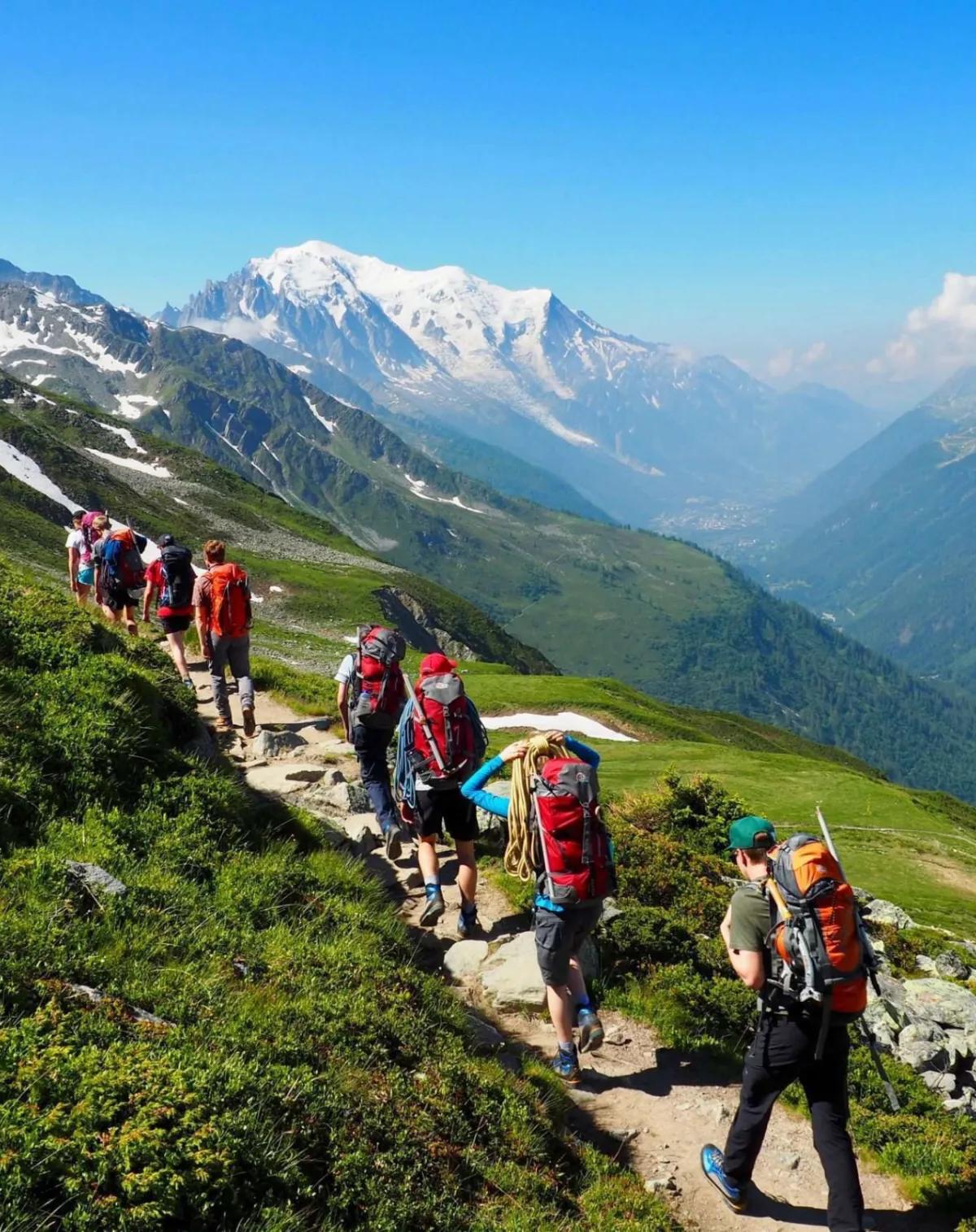
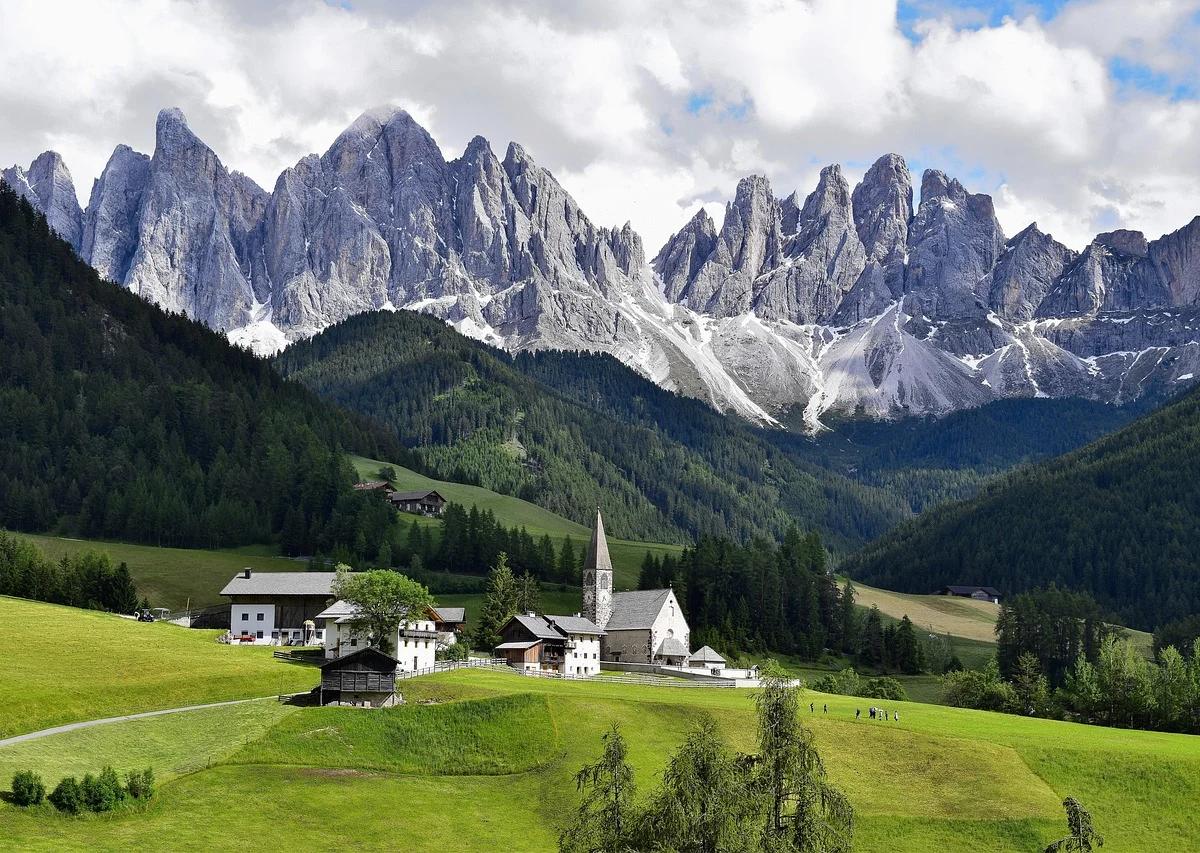
Longer reads on the ranges, the routes and the food at the top of them.
Examples rather than a fixed list. In the Alps the standard swings from a bunk at 2,500 meters to a valley hotel with a spa, often on consecutive nights.
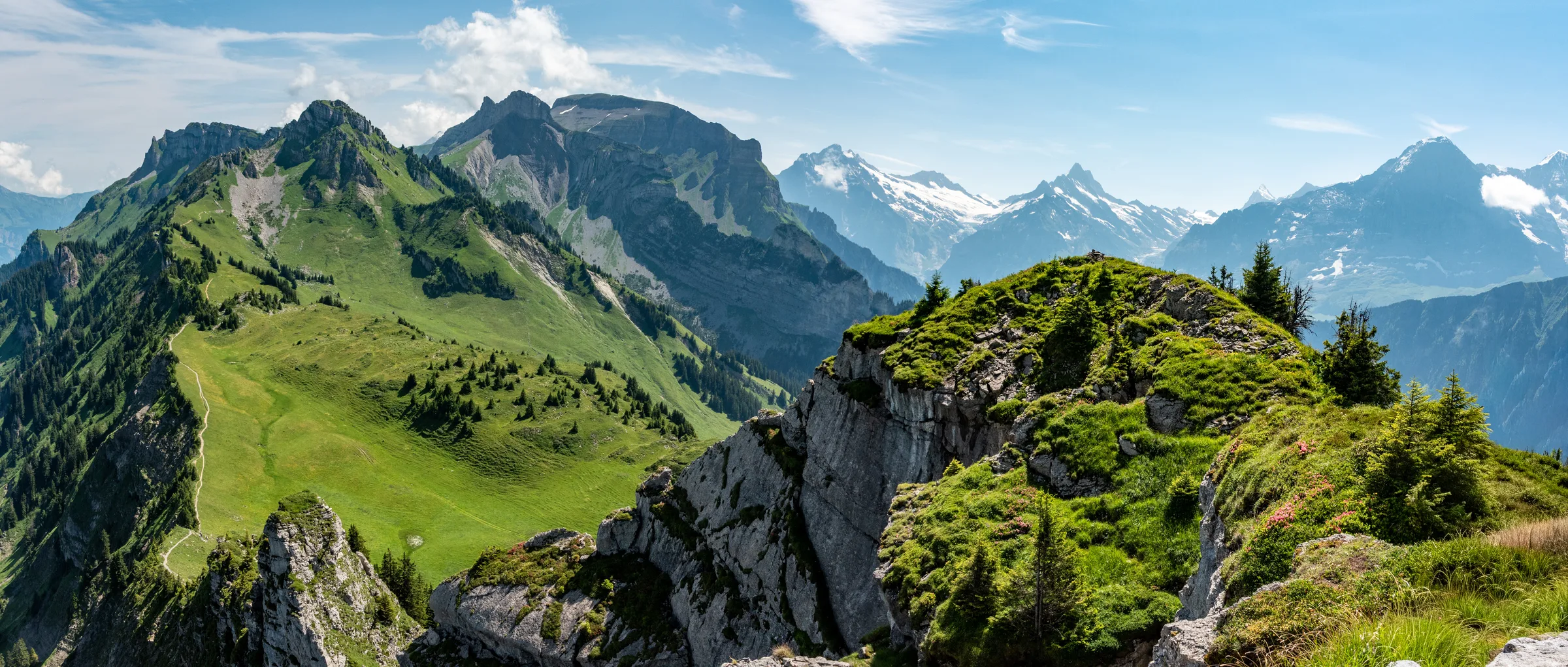
Simple, sociable and spaced a stage apart, with a shared table and a view that no hotel can buy. The only way to sleep on the route itself, and the reason the booking date matters more than anything else on this page.
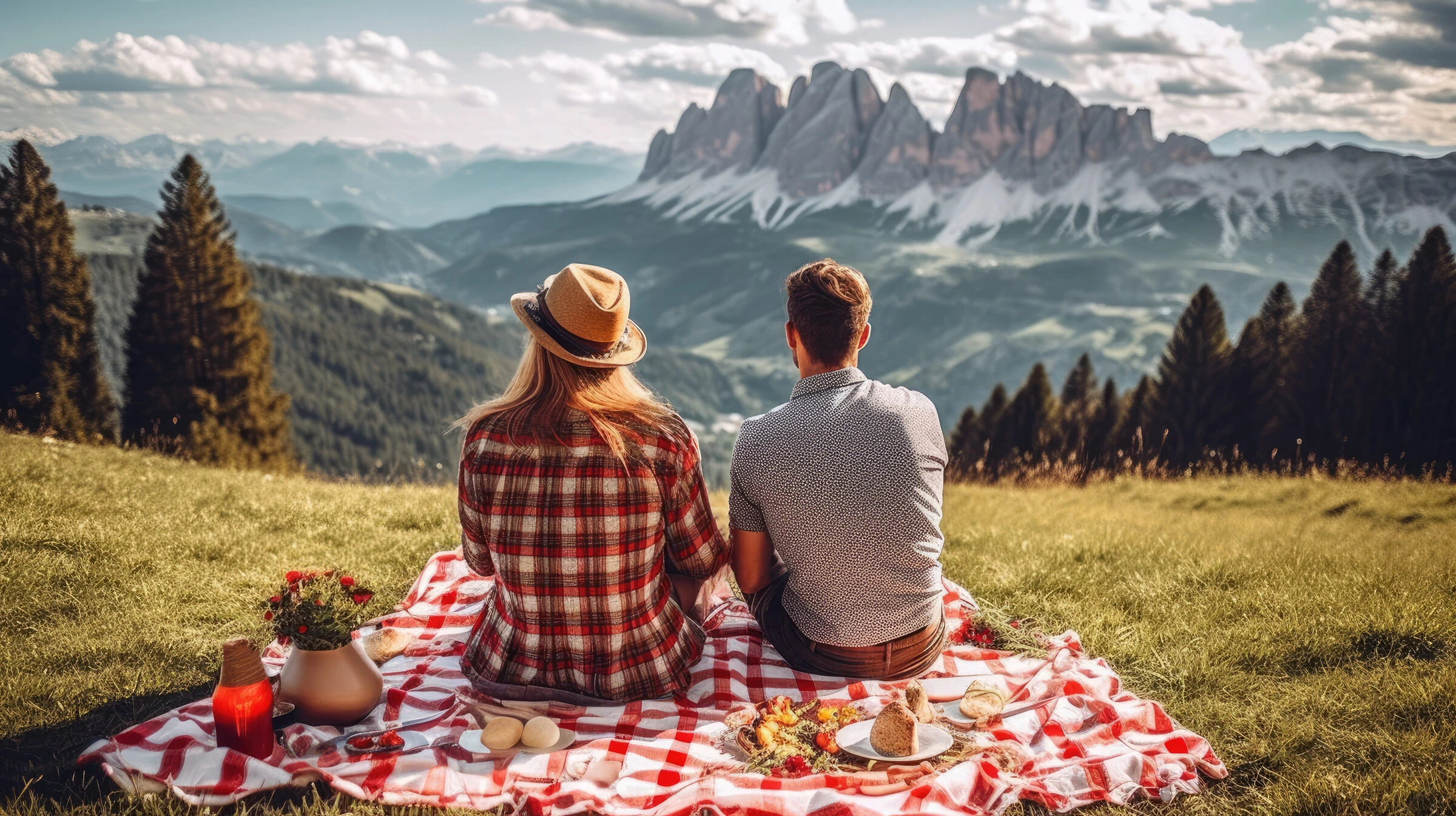
The best hut network in the Alps, and the only one where lunch is a ritual rather than a sandwich. Handmade cajinci, speck with horseradish, and a glass of Lagrein at two thousand meters.
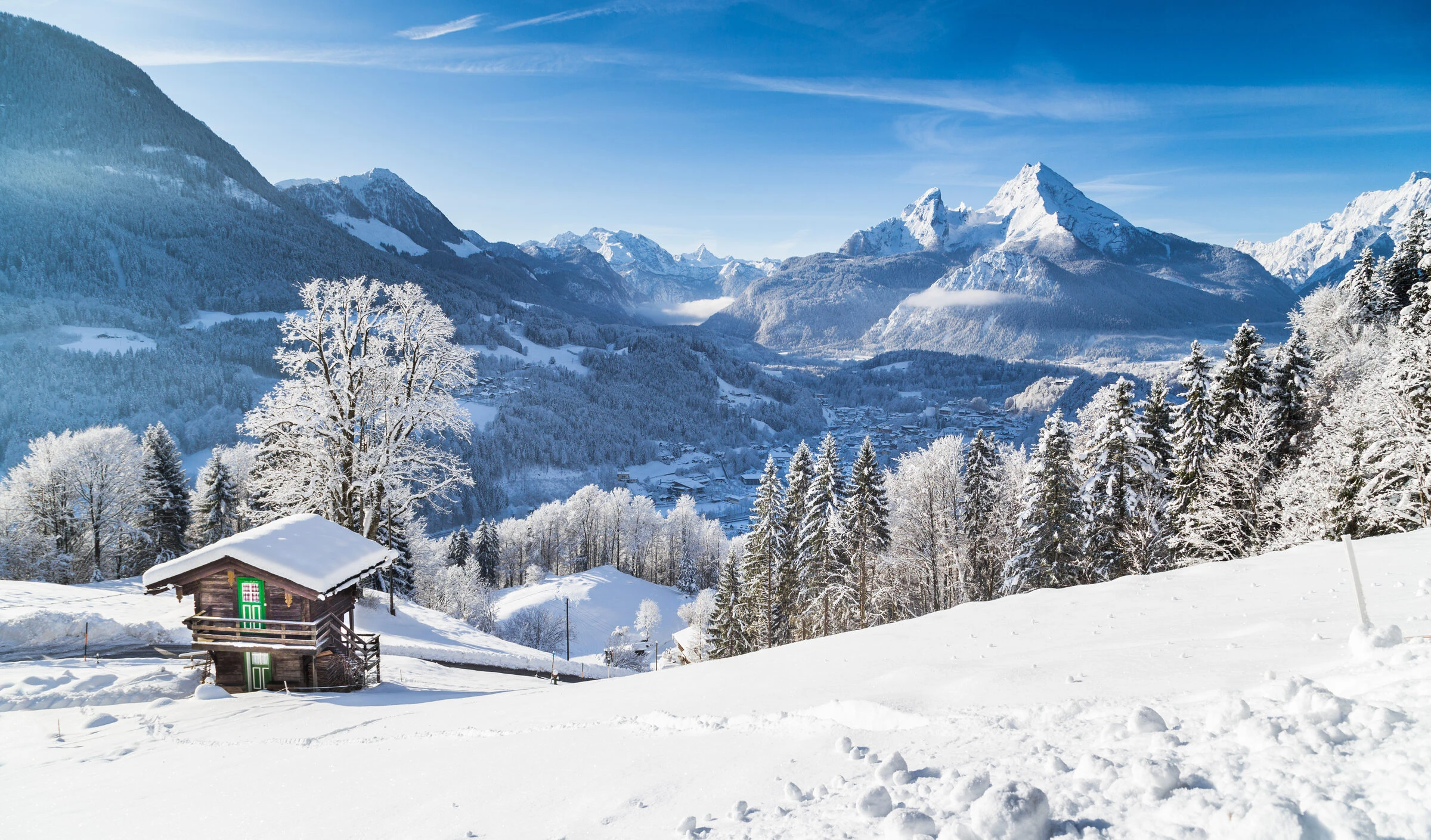
Somewhere with a bath and a proper dinner at either end of a circuit, and the right base for anyone walking sections rather than the whole thing. Zermatt is car-free, which changes the evenings entirely.
The Dolomites do wellness properly: saunas, cold plunges and long dinners of alpine cheese and Pinot Nero after a day on the ridgelines. The reason a Dolomites week feels like a holiday rather than an expedition.
A short season, and the month changes what is open as much as what it looks like.
| Window | What It’s For & What to Expect |
|---|---|
| Mid to late June | Wildflower meadows and meltwater running hard. Snow can still hold the higher passes and some huts are shut or on limited service. |
| July | The passes clear through the month and the network comes fully online. Long days, warm afternoons and the trails filling up. |
| August | Everything open, everything busy, and afternoon thunderstorms building in the heat. The month most people can travel, which is the whole problem with it. |
| September | Crisp air, golden larches and quiet trails. Huts begin closing from around mid-month, so the route has to be built around what is still running. |
| October to May | Out of season for trekking. The same valleys turn into ski country, which is a different trip entirely and one we also build. |
Whether you work with us or not, these are worth asking before committing significant funds.
Ask for the hut for each stage, not a reassurance that accommodation is arranged. On a linear circuit a single unbooked night breaks the three around it.
Late September or early October for the following summer. You want a date and a strategy, because the sought-after huts go within days.
It changes the trip more than any other single decision. Ask whether transfers are included, and what happens to your bag on the days the route crosses a border.
The Mont Blanc circuit crosses three countries and guiding qualifications are national. On technical ground and via ferrata this matters, and it is a fair question to ask directly.
High passes shut and afternoon storms are routine in August. You want a specific alternative for each stage and a spare day somewhere in the plan.
The season runs mid-June to mid-September, and mid-July to mid-August is when everything is reliably open. Late June can still have snow on the higher passes and some huts closed. September brings crisp air, golden larches and quieter trails, and is the connoisseur’s month. In the Dolomites the window is late June through late September.
Almost a year. Tour du Mont Blanc refuges release availability in late September or early October for the following summer, and the popular ones go in days or sometimes hours. The itinerary needs to be finalized before the release, not after it.
Very well, if the route is chosen for it. Alpe di Siusi and the gentler Dolomites meadows give real mountain days without exposure, lifts shorten the climbs, and luggage transfers mean nobody carries more than a daypack. The long circuits suit older children.
It moves with whether you are in mountain refuges or valley hotels, and whether you want a private guide throughout or only on technical sections. We give you a straight number for your specific route and standard before you commit to anything.
The full Tour du Mont Blanc is around 170 kilometers with roughly 10,000 meters of ascent over eight to eleven days, which is a serious undertaking. But the same mountains offer three-day sections, meadow walking and lift-assisted days, and with luggage transfers you carry only a daypack. The route decides the difficulty, not the range.
One of us personally owns your trip from the first conversation to the last night.
Tell us which summer you are aiming at and how much walking you actually want. If it is next year, now is the right time to be having this conversation.