Where to Stay
Destination
Iceland
The weather writes the itinerary.
The weather writes the itinerary.
One road goes all the way around Iceland. Almost everything worth seeing branches off it, and most of those branches are seasonal.
In summer the highlands open, the light barely leaves, and you can drive further in a day than seems reasonable. In winter the interior is gated shut, the daylight collapses to four or five hours, and the aurora becomes the reason people come.
They are two different countries wearing the same name, and the itinerary that works in July will not work in February.
We build for the one you are actually arriving in.
road.is, every morning: Icelandic road conditions change within hours, and closures are routine rather than exceptional. We build itineraries with an alternative for each day rather than a fixed chain, and we check conditions before you set off. A plan that only works in good weather is not a plan for Iceland.
Four parts of the country, each with a different season attached to it.
Hallgrímskirkja, Harpa, and Dill, the country’s first Michelin-starred restaurant. The Golden Circle and the geothermal southwest sit within an easy day, which makes this the practical first and last stop.
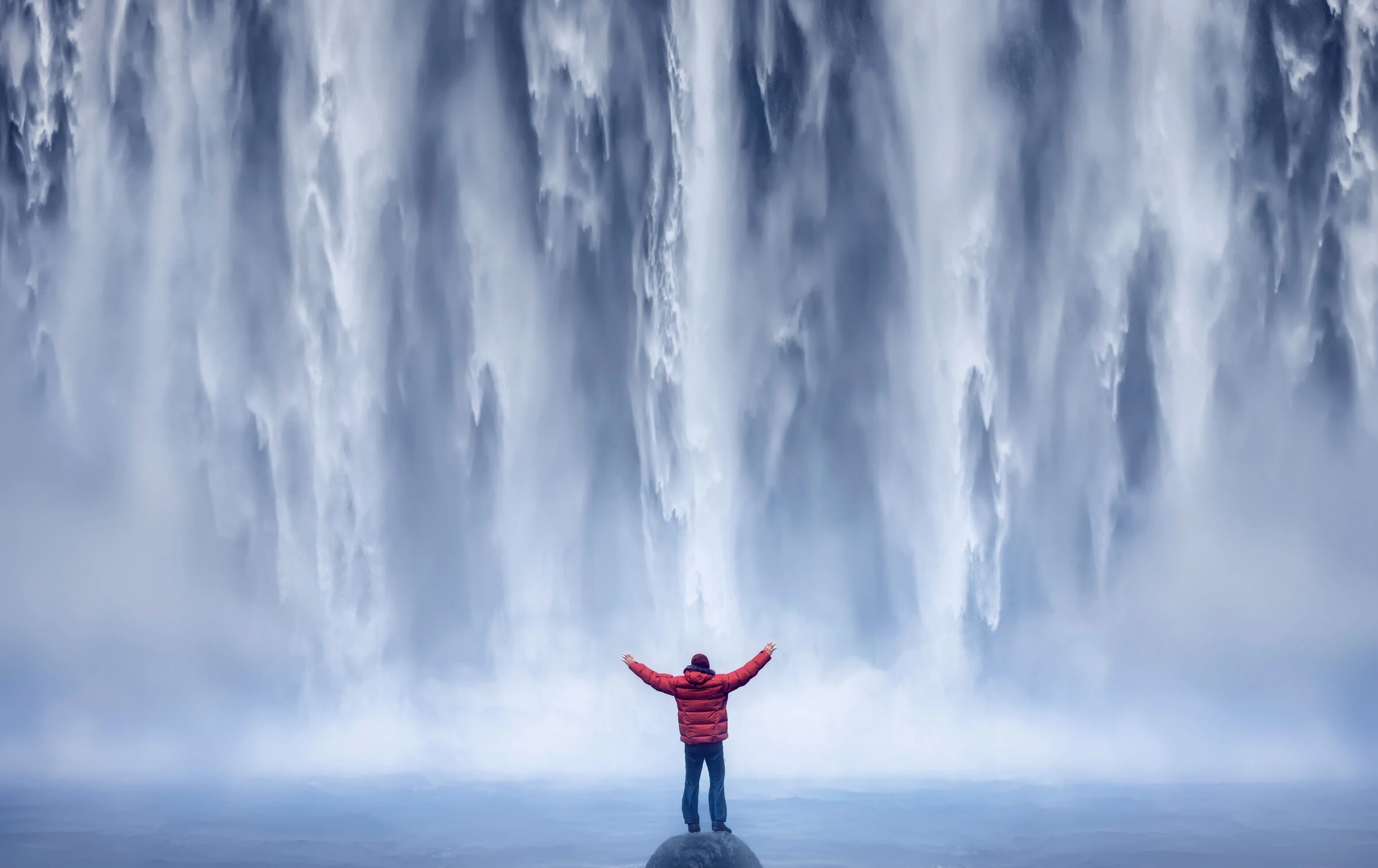
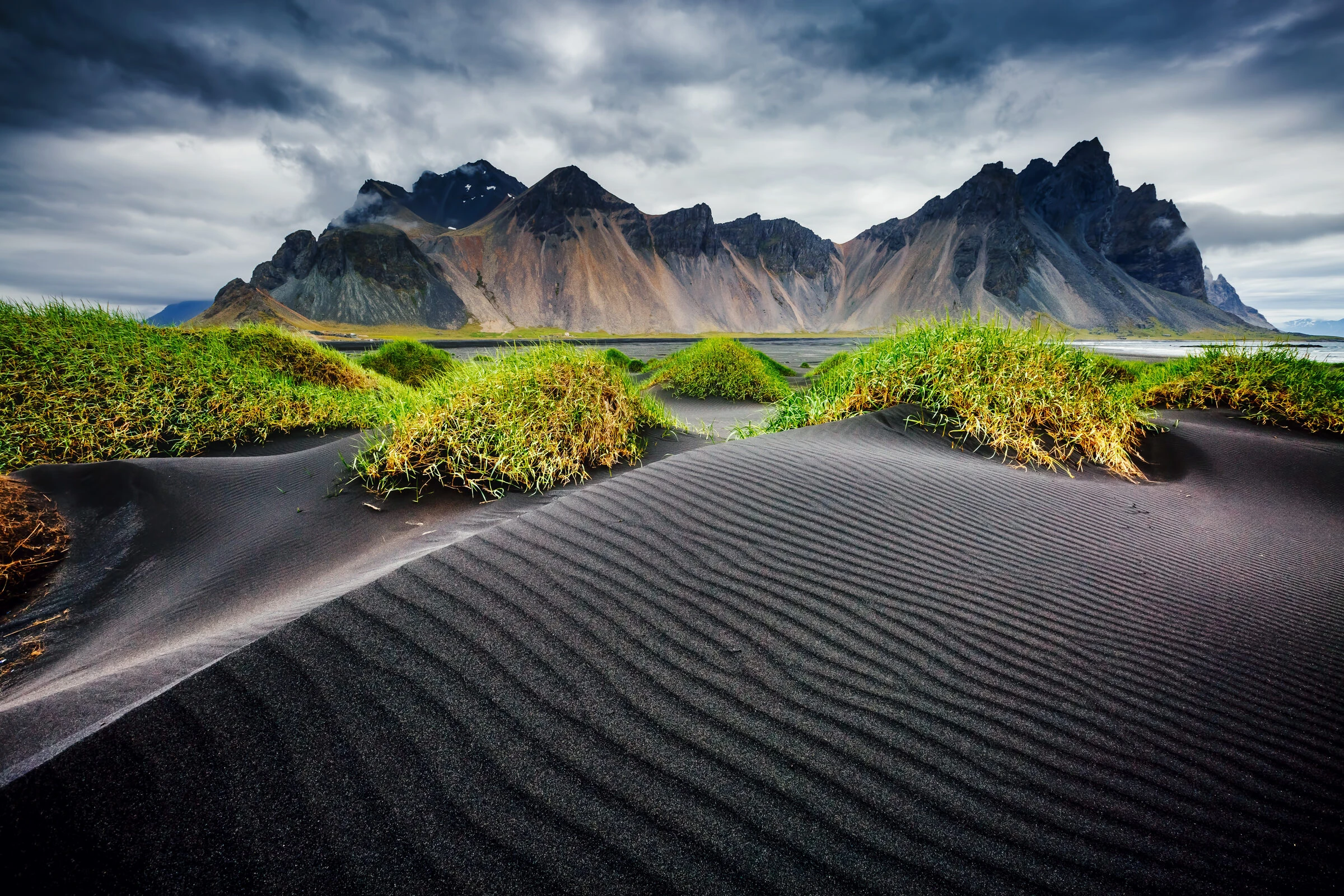
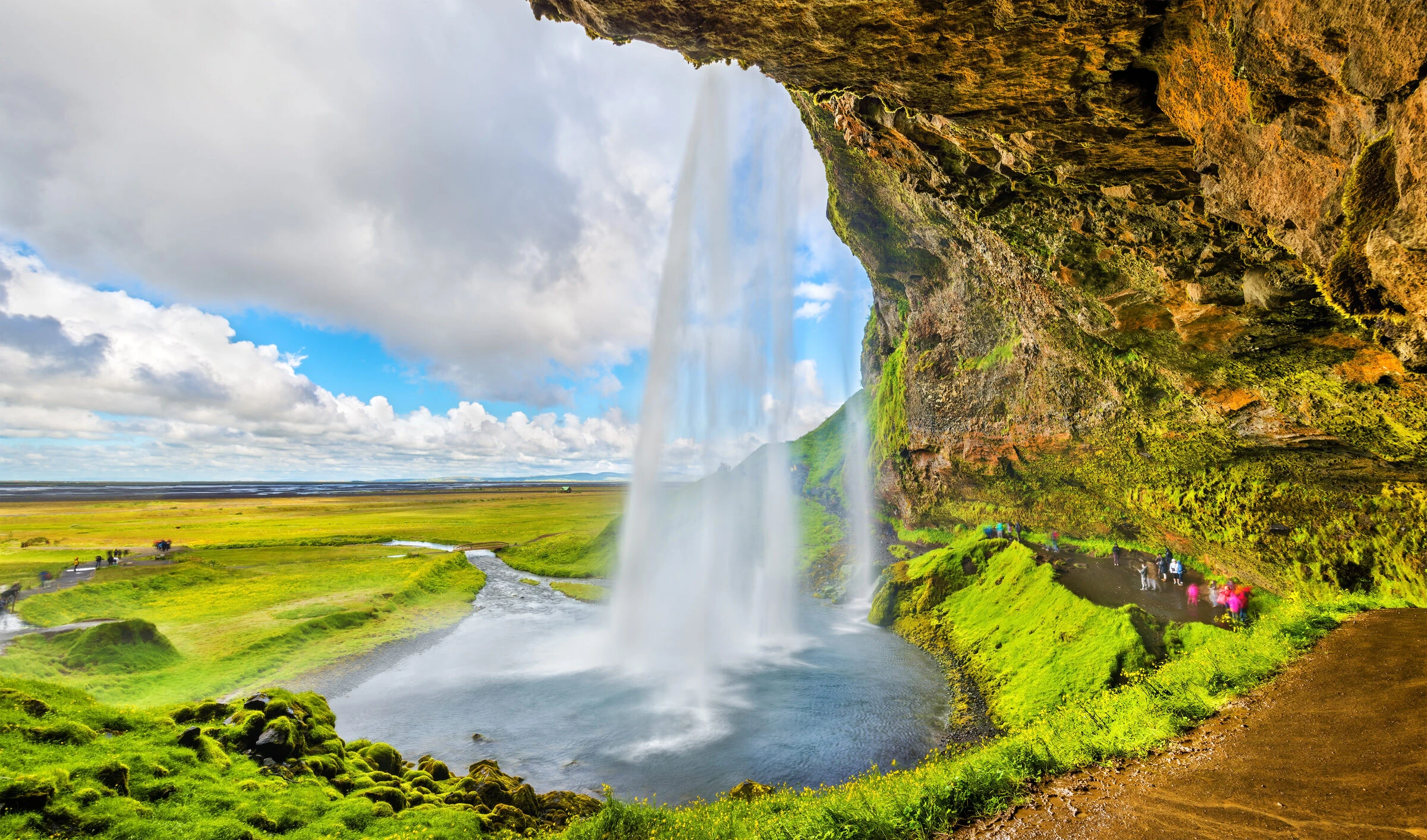
Seljalandsfoss and Skógafoss, the basalt columns at Reynisfjara, black sand at Vík, and glacier walking on Sólheimajökull. The most photographed stretch of the country, and still worth it.
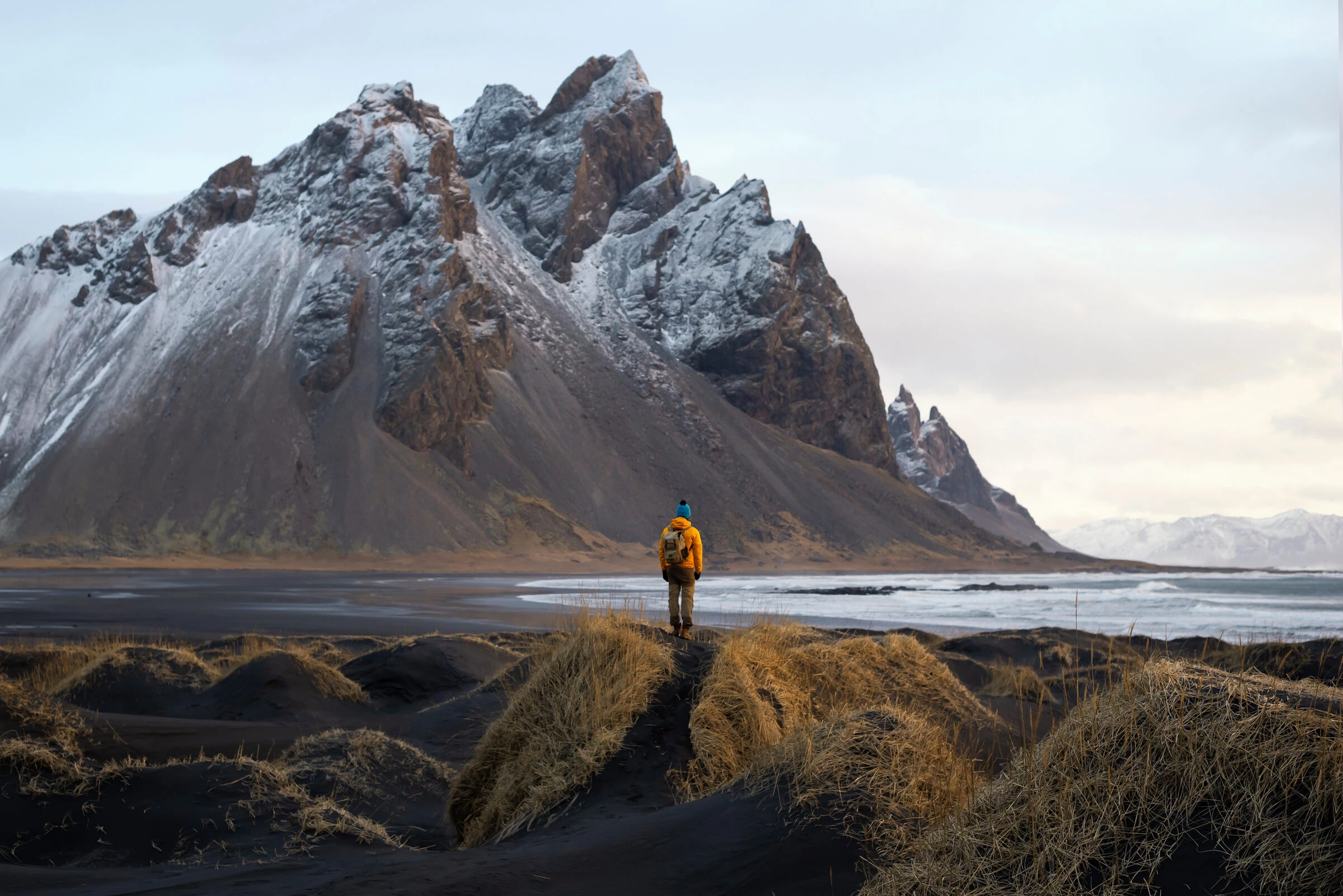
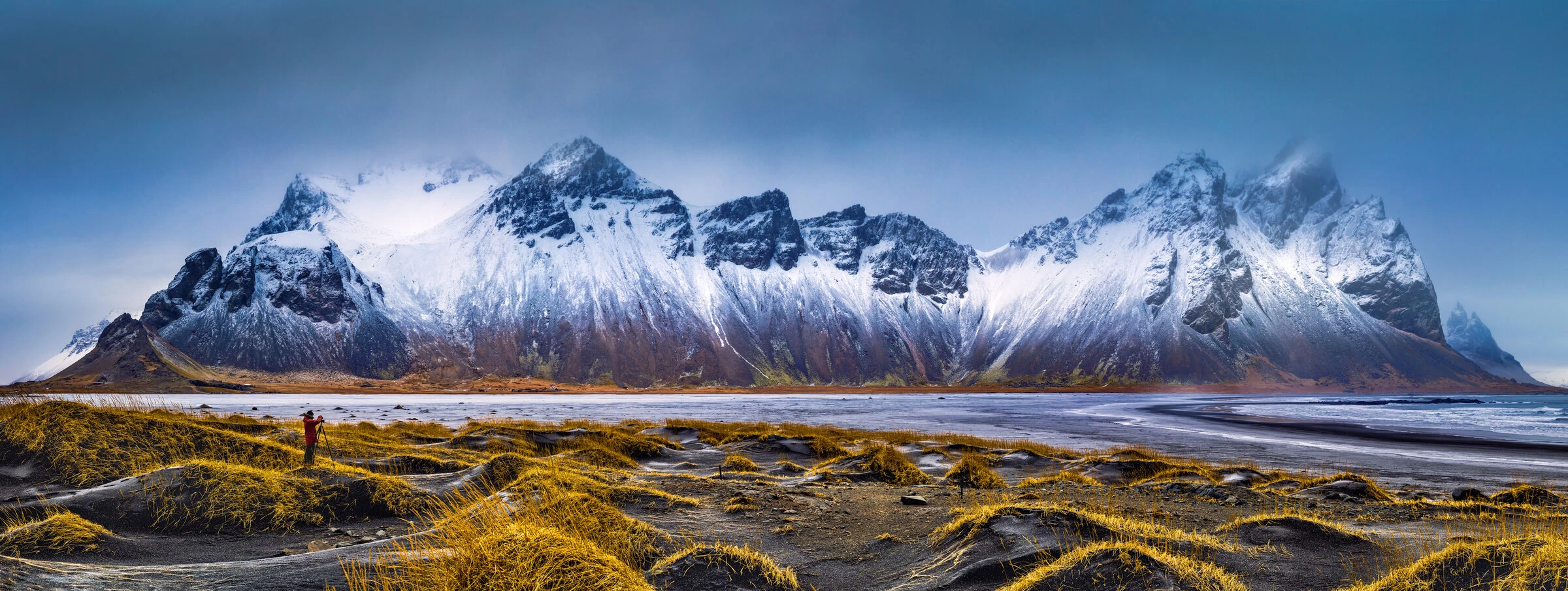
Seyðisfjörður and the fjord country, where the crowds thin out considerably. Puffin colonies, reindeer trails, Petra’s Stone Collection, and whale watching out of Húsavík to the north.
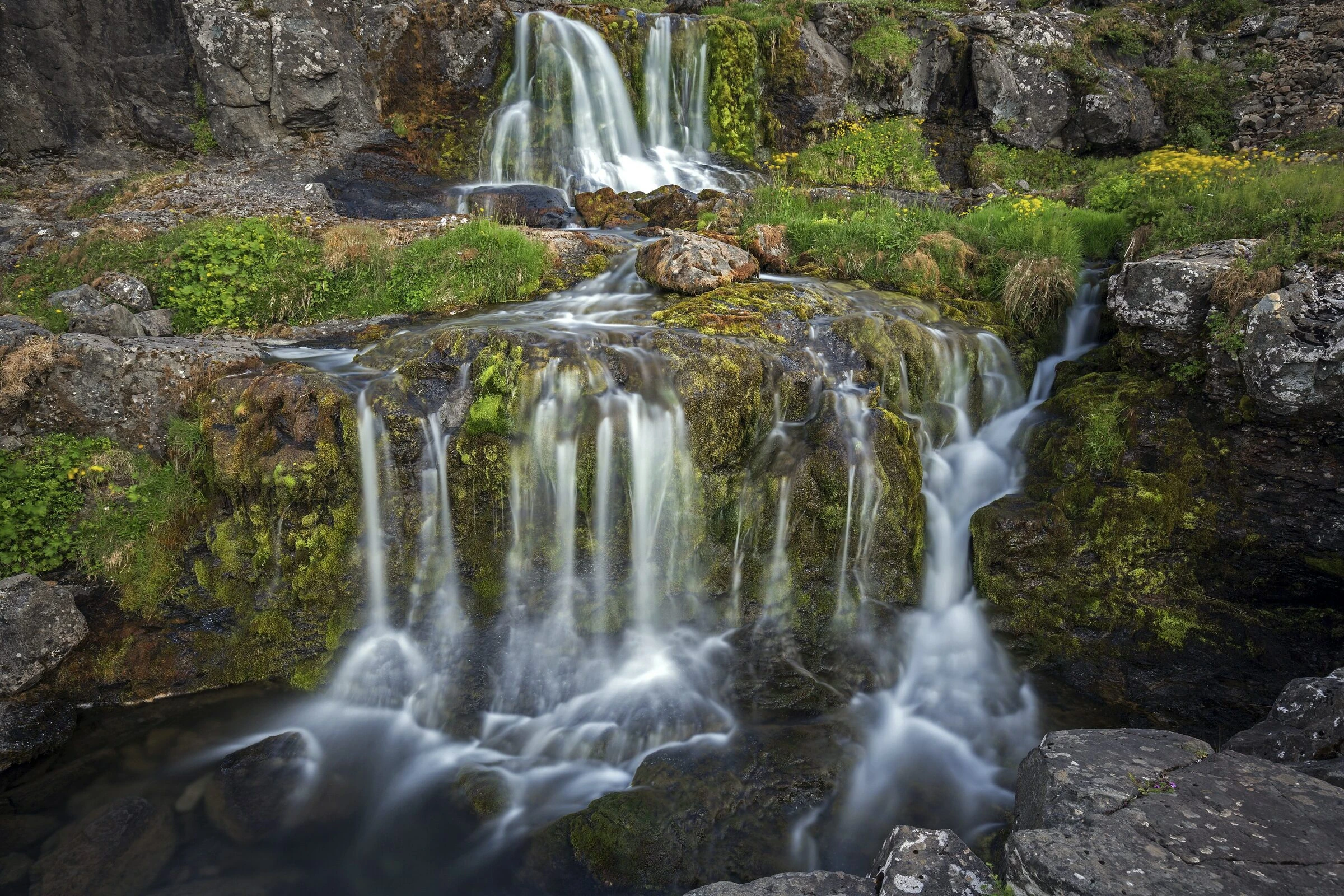
The least-visited region and the hardest to reach. Dynjandi falls down the mountainside in tiers, the cliffs are enormous, and the coves around Ísafjörður are best seen from a kayak.
Iceland is easy to reach and easy to get wrong. Almost every mistake is a seasonal one.
Highland F-roads are physically gated outside roughly June to September, require a 4x4, and involve unbridged river crossings. Driving them when closed is an offense, and going off-road anywhere in Iceland carries fines of up to 500,000 ISK. If the highlands matter to you, the season chooses your dates.
You need darkness, clear sky and solar activity on the same night. Late September to early April is the window, and February, October and March balance darkness against settled weather best. Nobody can promise you a sighting, and anyone who does is selling something.
A seven-day Ring Road circuit averages around two hundred kilometers a day, which leaves little room for weather, detours or a long lunch. Ten days turns the driving from the itinerary into the connective tissue between the good parts.
Eruptions on the Reykjanes peninsula since 2021 have been localized. They have closed roads near the site and affected Grindavík, and they have not disrupted travel across the rest of the country. We monitor the Icelandic Met Office and safetravel.is and adjust rather than cancel.
Between roughly May and August it never gets properly dark, so there is nothing to see regardless of solar activity. Come in summer for the highlands and the midnight sun, and come back in February for the aurora.
It is a weather lottery, and the only reliable strategy is more nights and more chances. Four or five dark evenings in the right season is a real attempt. Two is a coin toss you paid a lot for.
It can be done and it is mostly a driving holiday when you do. Either give it ten days, or take half the country and do it properly. The South Coast and Reykjavík in seven days beats the full circuit in seven.
The aurora does not reward mileage, and the forecast is national rather than local. Being somewhere dark with a clear sky and no schedule beats a long drive toward a rumor.
The gates are closed and the fines are serious. In winter the interior is reached by helicopter or not at all, and we would rather tell you that in January than have you find out in a rental car.
Examples rather than a fixed list, to give you a sense of the kind of property we use and why an Iceland itinerary tends to be built around them.
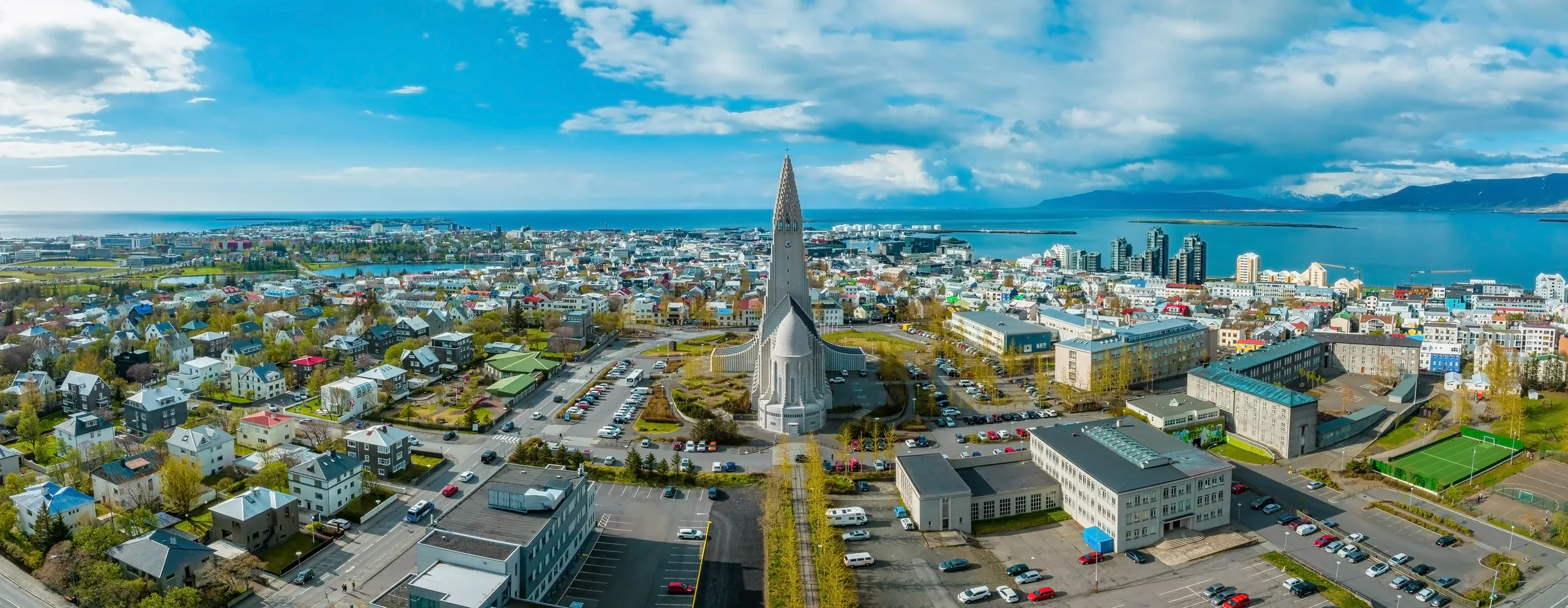
Three joined townhouses on Laugavegur, one of them the Sandholt bakery the same family has run since 1920. Breakfast comes from downstairs. Three hundred meters from Hallgrímskirkja, which makes it the walking base for a first or last night.
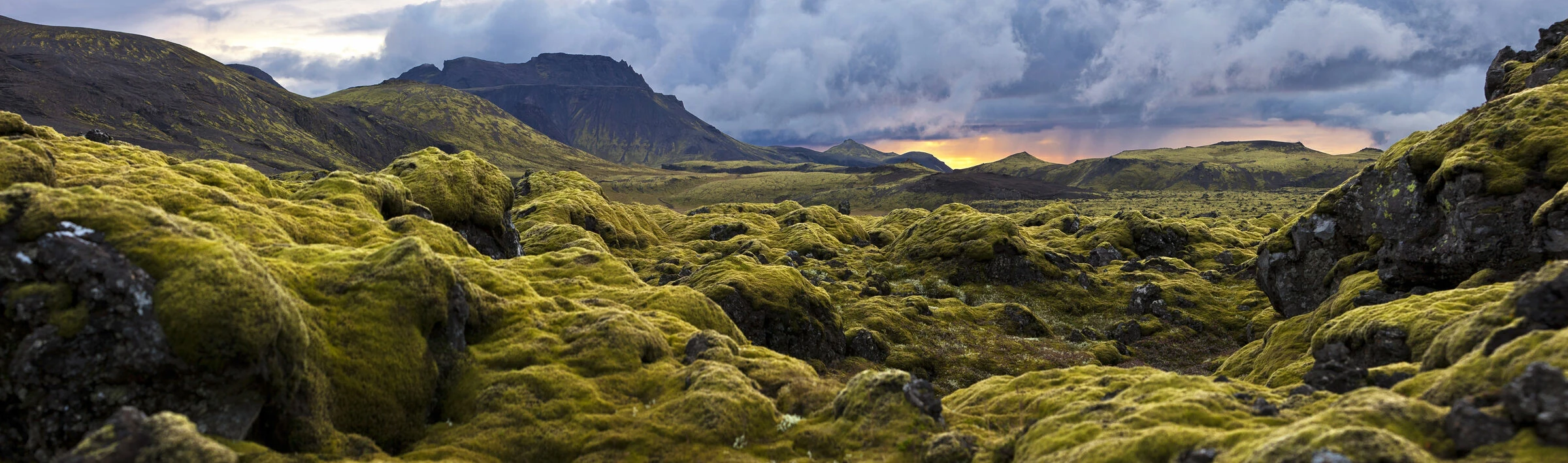
A building cantilevered out over a lava field at Nesjavellir, with a bar walled in glass for the aurora. Half an hour from Þingvellir and about forty-five minutes from Reykjavík, which puts the Golden Circle on the doorstep without the drive back to town.
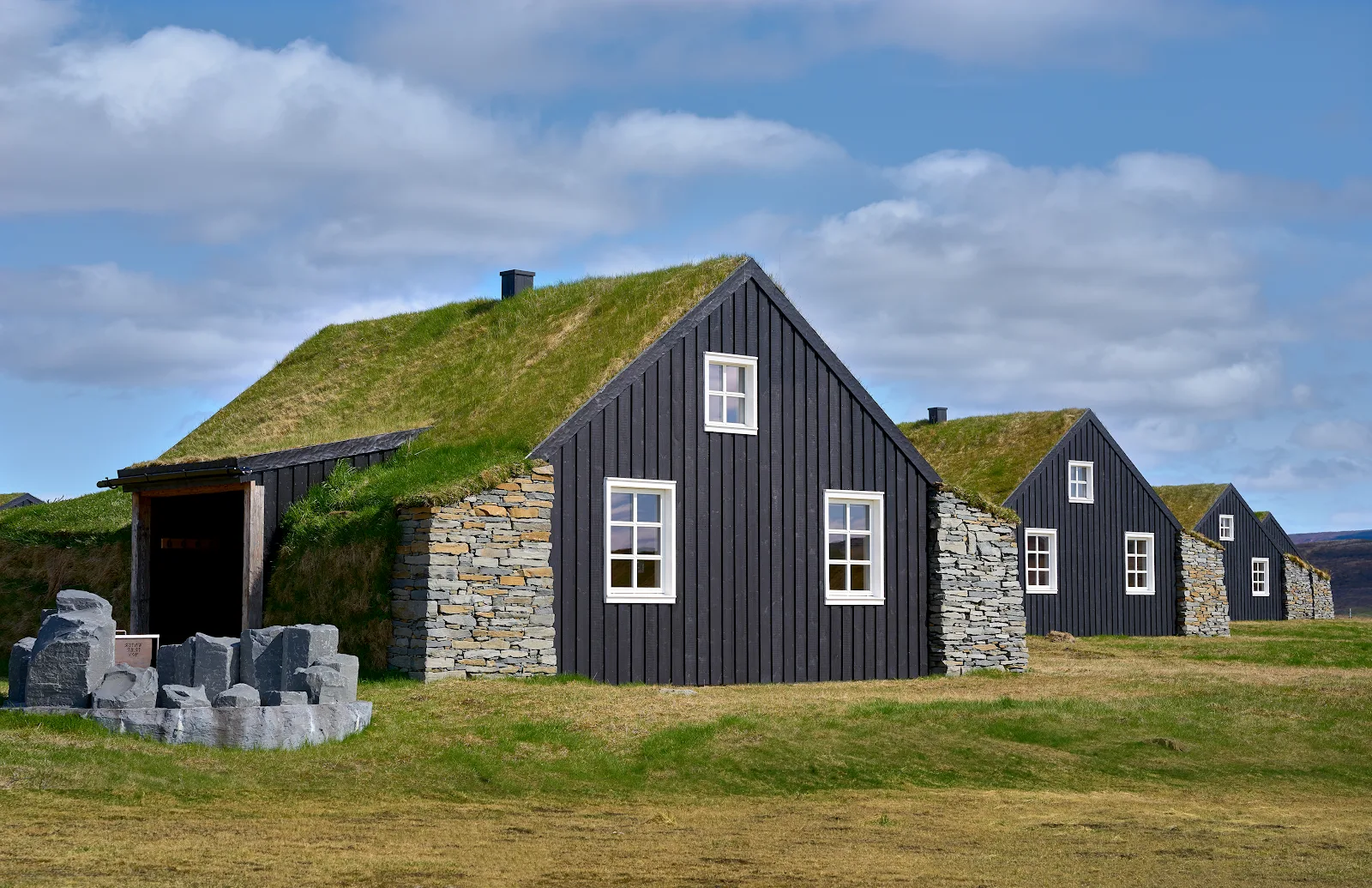
Turf-roofed stone and timber cottages inspired by old farmsteads, with private basalt hot tubs and underfloor heating. Ten cottages only, a short drive from Reynisfjara’s black sand.
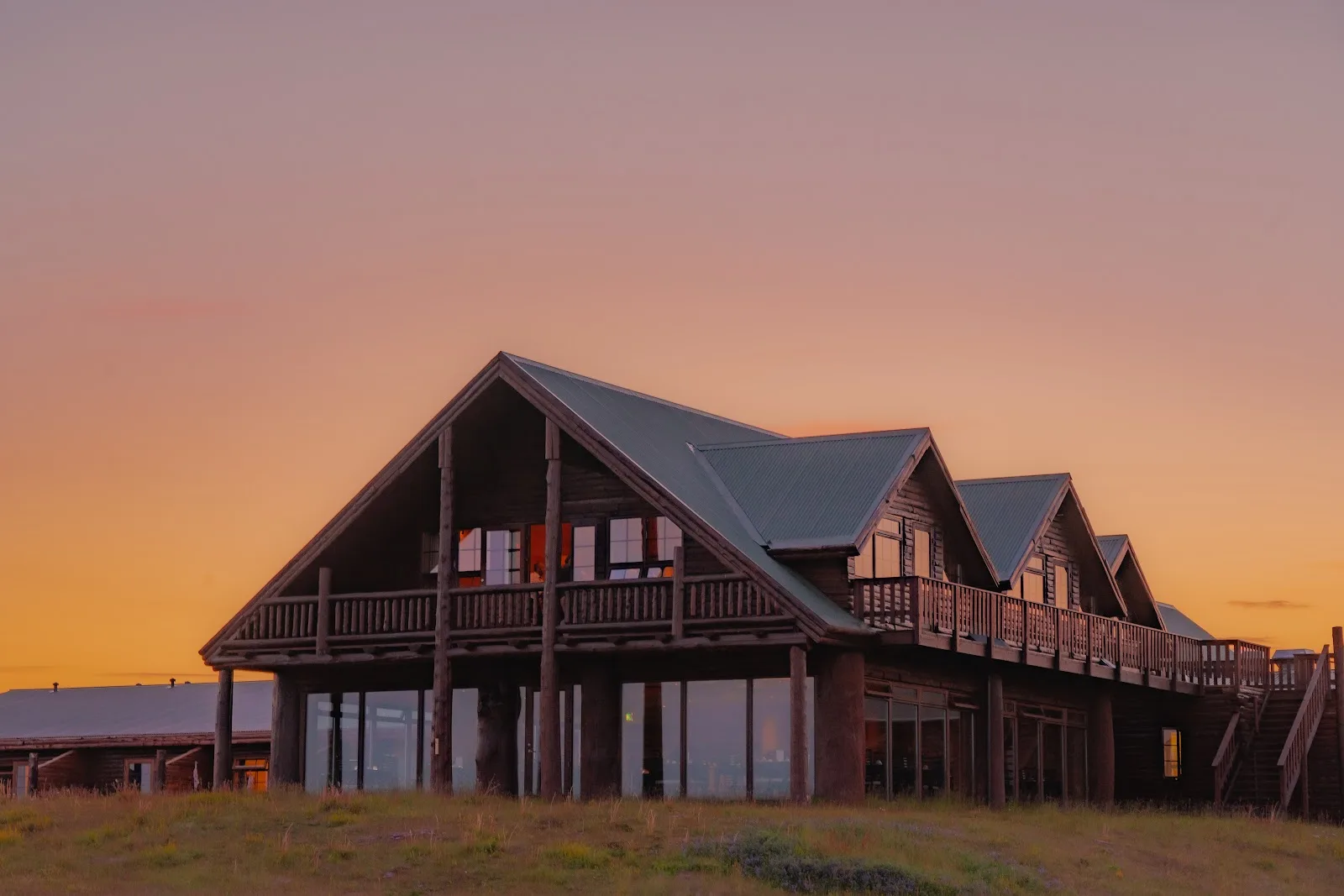
Log-cabin style on the river with Mount Hekla in view, outdoor hot tubs, and an on-site observatory. Ninety minutes from Reykjavík and dark enough for the aurora.
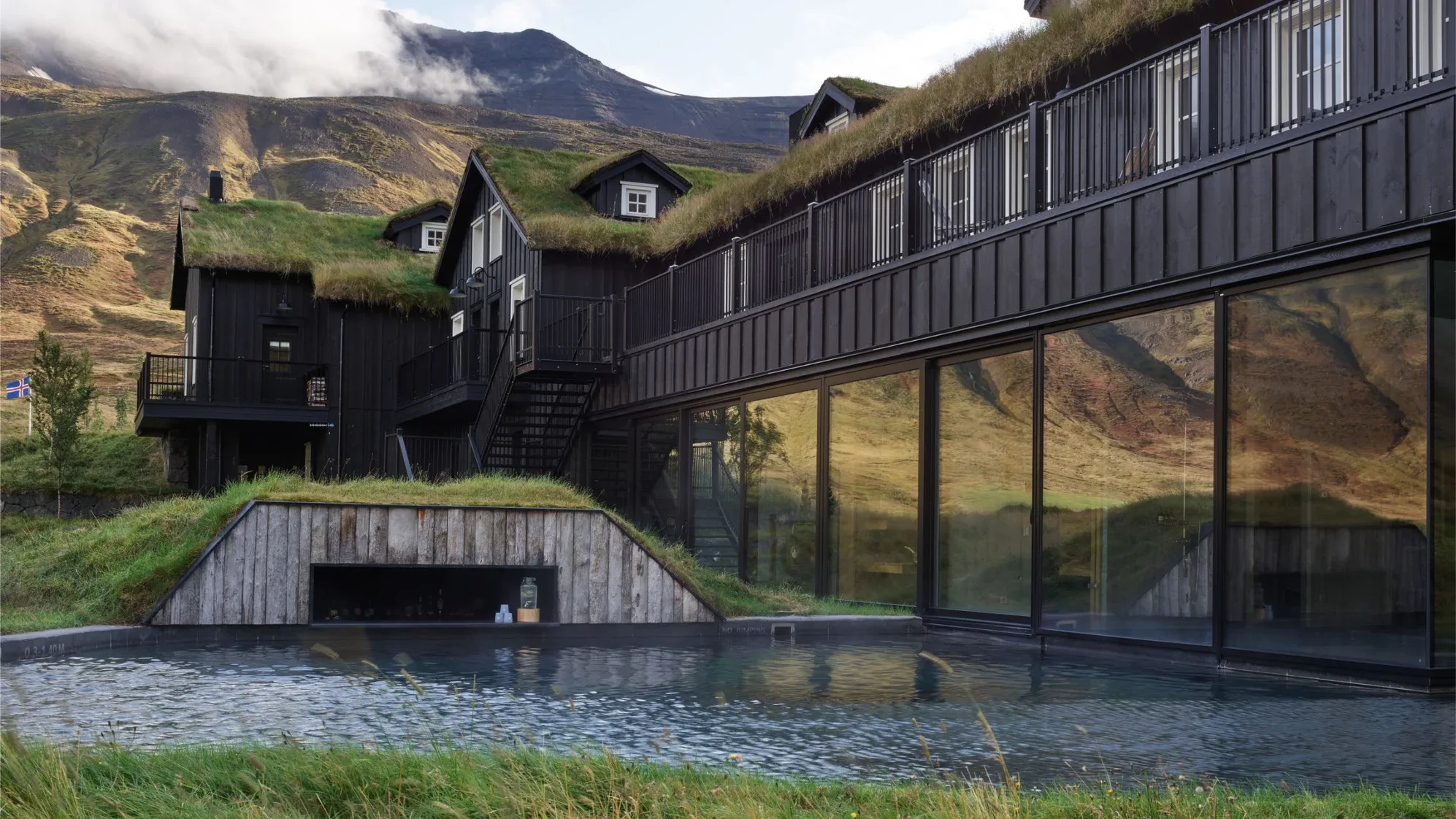
A converted sheep farm with thirteen suites, geothermal floors and an outdoor geothermal pool. Heli-skiing in winter, salmon in summer, and a Viking sauna. Books close to a year out.
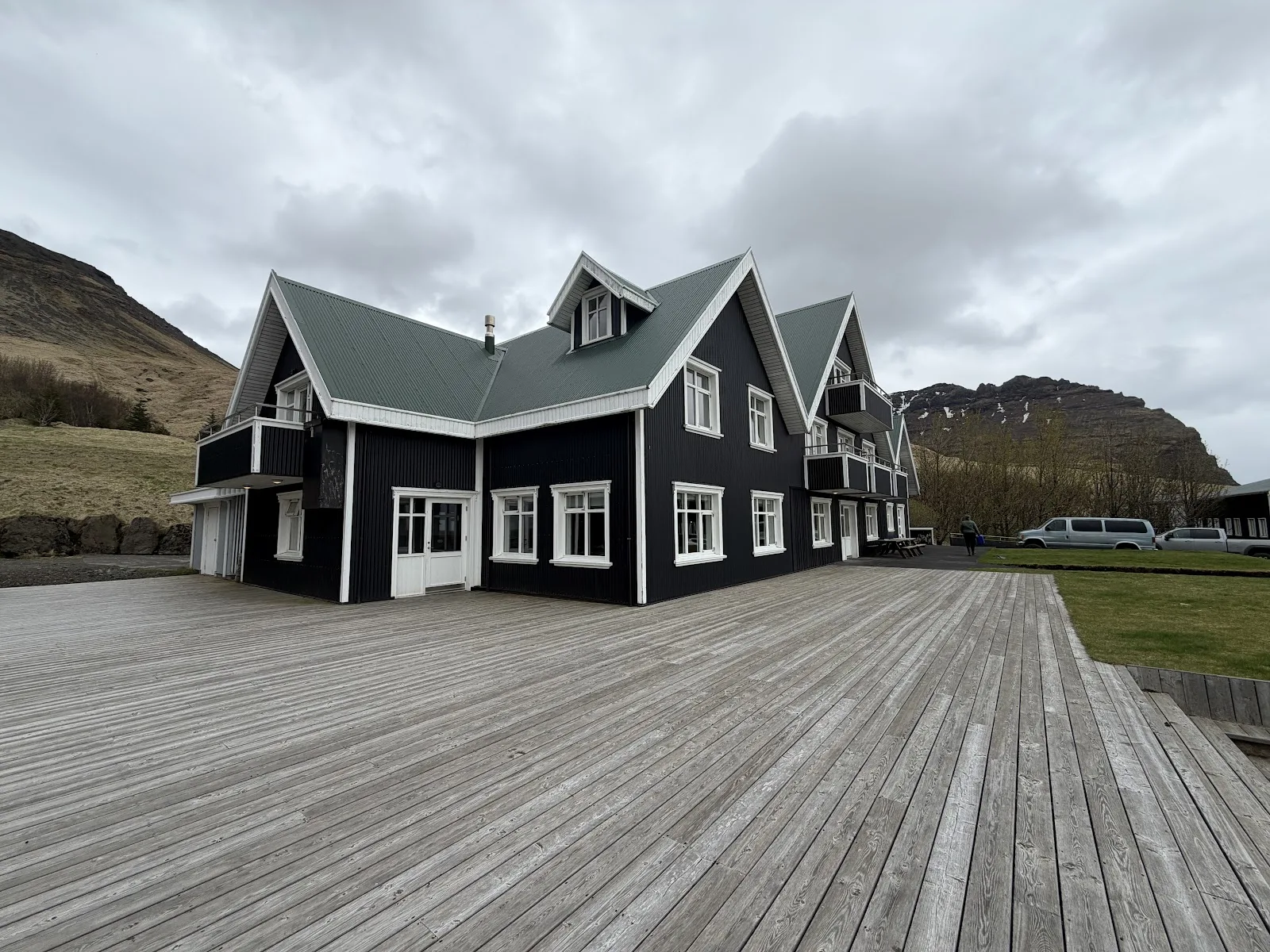
A working horse farm turned small hotel in the South Iceland lowlands, with Eyjafjallajökull behind it and Þórsmörk beyond. Riding out on Icelandic horses is the point of staying here. Seljalandsfoss and Skógafoss are both close, and the farm sits well off the circuit.
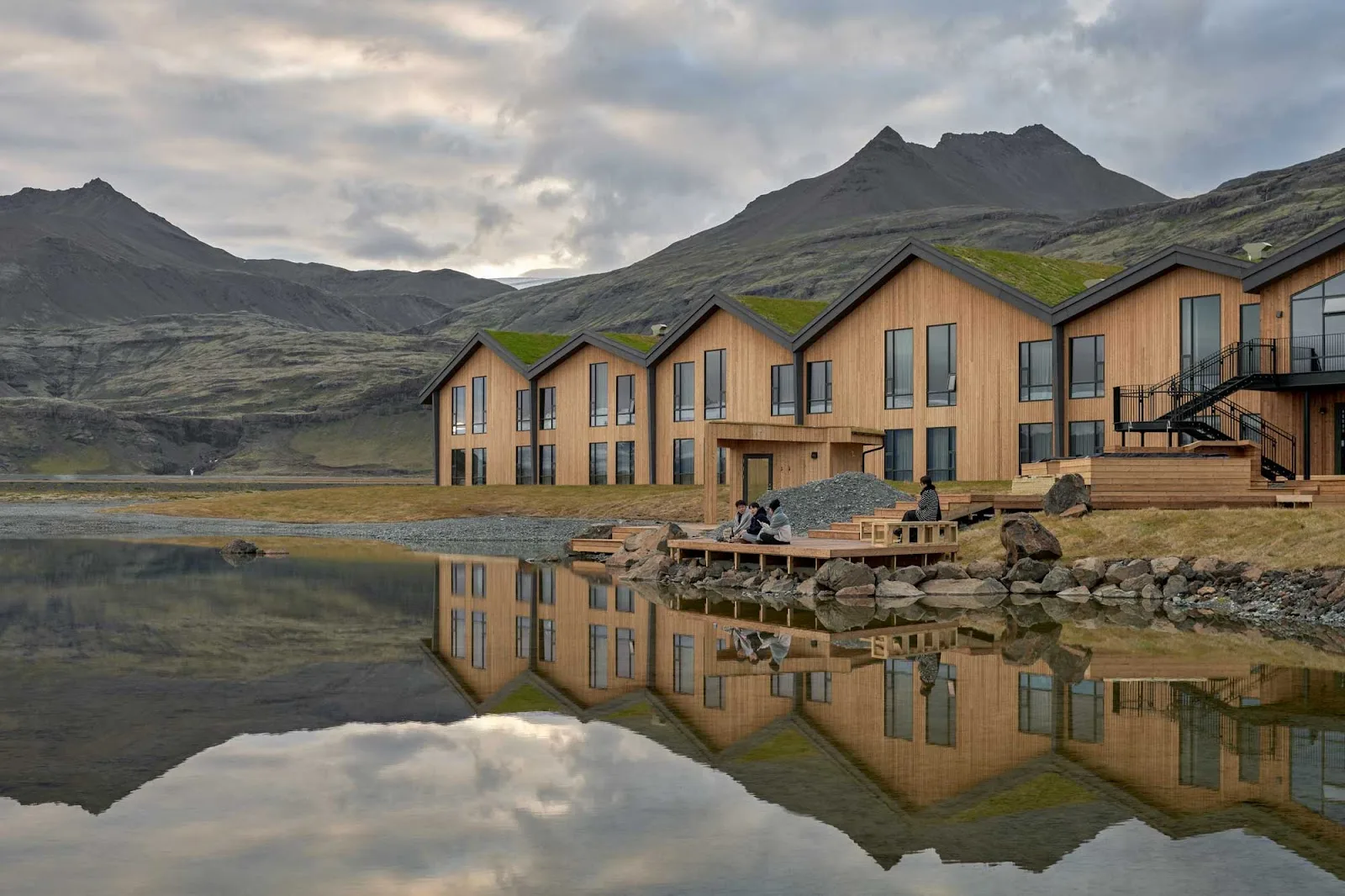
Five minutes from the glacier lagoon and Diamond Beach, and one of very few places to sleep on this stretch of the Ring Road. Four and a half hours out from Reykjavík, which is exactly why staying here removes the pre-dawn drive every other itinerary builds in.
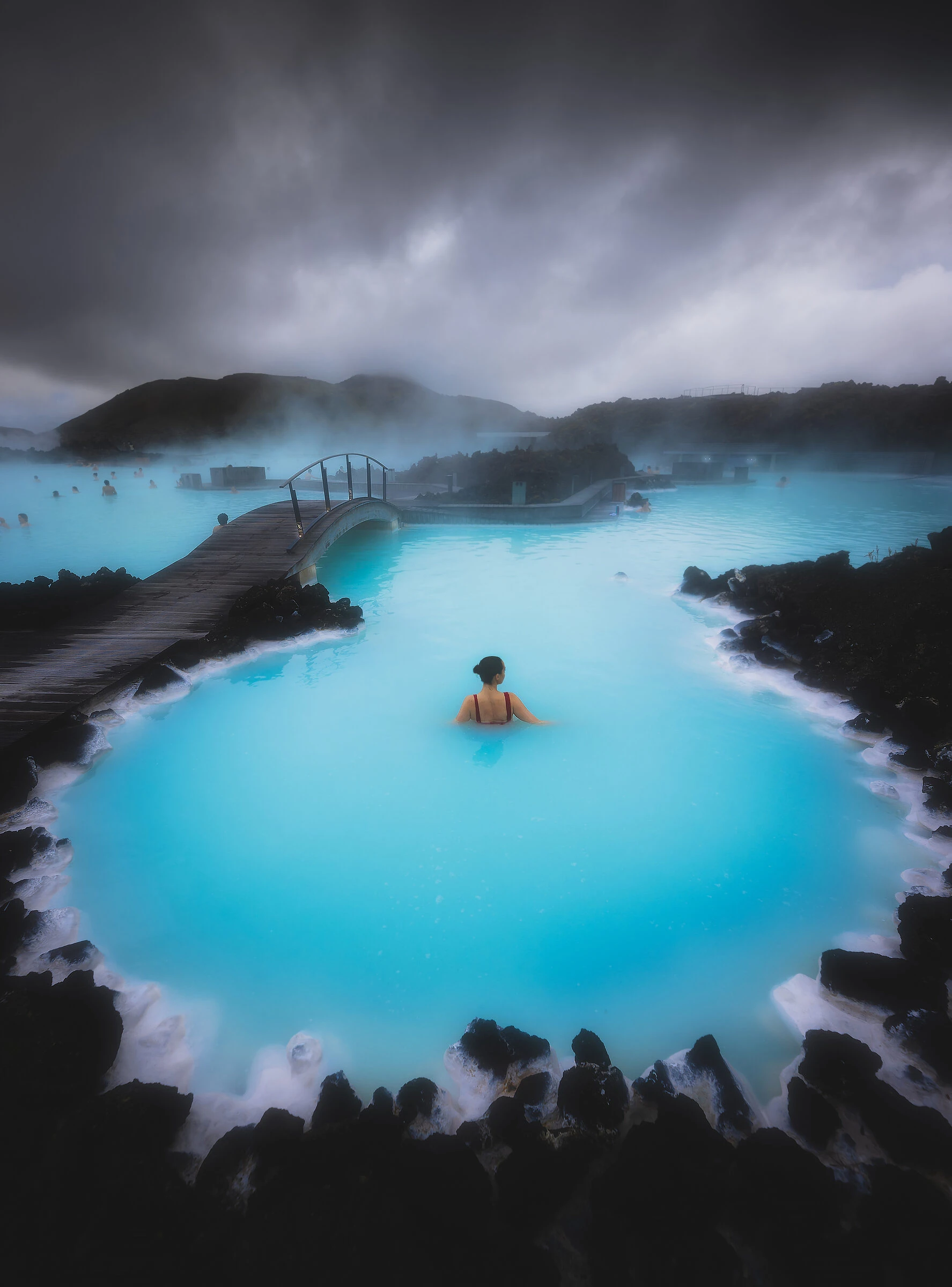
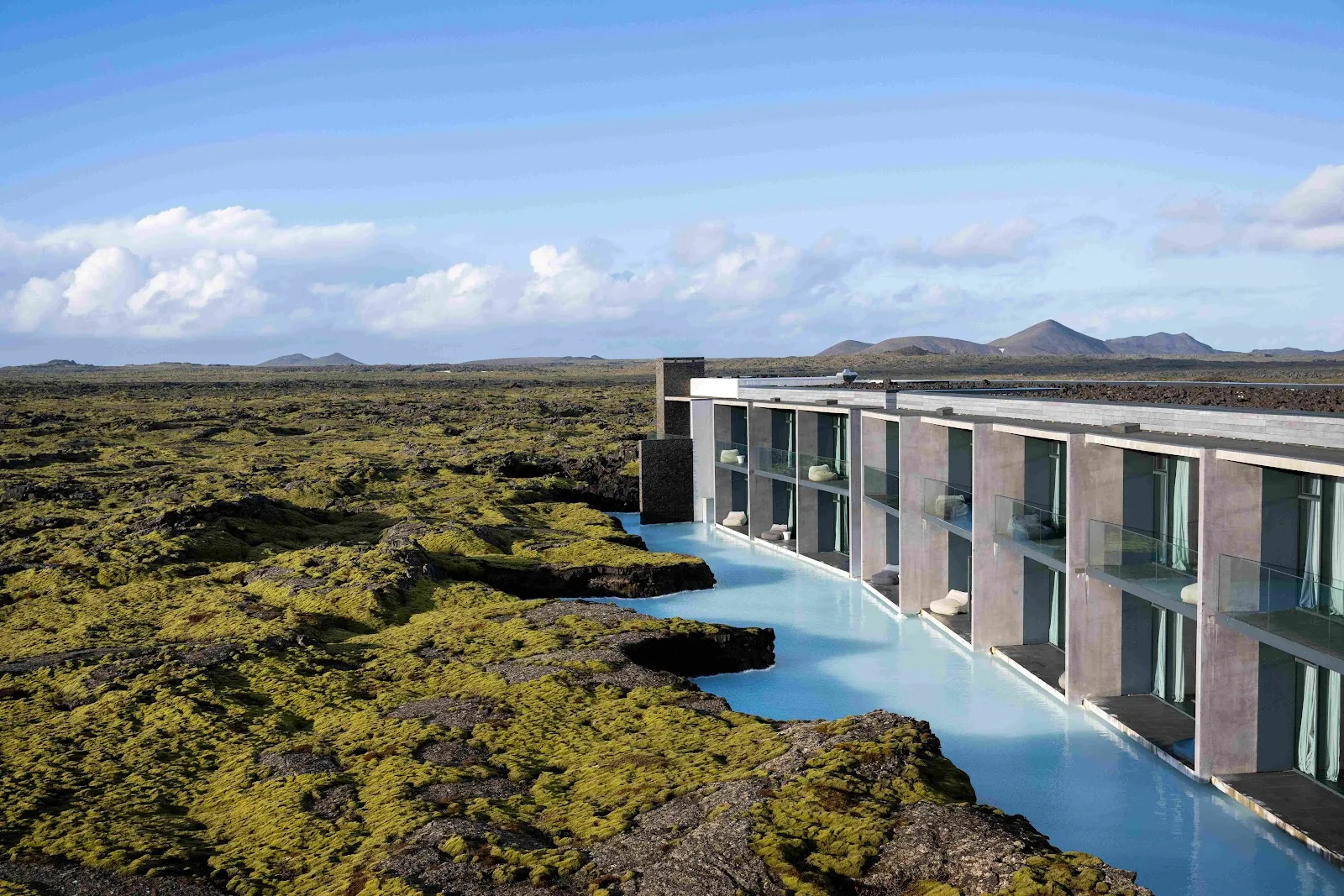
Rooms carved into the lava field, adults only, with a private lagoon kept for hotel guests that you walk into straight from the spa. Twenty minutes from Keflavík and fifty from Reykjavík, which makes it a first or last night rather than a base.
Longer reads on where to stay and what the country actually asks of you.
There is no bad month, but there are months that cannot give you what you came for.
| Window | What It’s For & What to Expect |
|---|---|
| Late September to October | The first auroras of the season, autumn color, roughly fifteen hours of darkness, and noticeably fewer people than summer. |
| November to January | The deepest darkness, with only four or five daylight hours in December. Strongest aurora odds by hours available, weakest by weather. |
| February and March | The best balance of darkness and settled weather. February in particular. Ski season at Deplar Farm. |
| April and May | Lengthening days, thinning crowds, lower rates. The highlands are still closed and the aurora window is closing. |
| June to August | Midnight sun, the most reliable roads, and the only window when the highland F-roads are open. No northern lights at all. |
Whether you work with us or not, these are worth asking before committing significant funds.
Closures are routine in Iceland, not exceptional. The answer should be a specific alternative for each day, not a reassurance. Ask who is watching road.is on your behalf and what happens at seven in the morning.
For an aurora trip this is the number that matters, and it is not the same as the number of nights. Ask how many of them are somewhere genuinely dark rather than in Reykjavík.
If the answer is vague, be careful. F-roads are gated seasonally, require a 4x4, and carry serious fines when driven while closed.
You want the Icelandic Met Office and safetravel.is named specifically, plus what would actually trigger a change to your plan. Eruptions on Reykjanes have been localized, and the honest answer is a monitoring plan rather than a promise.
First-hand experience, or a trusted colleague’s direct experience, is the standard. “I’ve heard great things” is not sufficient.
It depends entirely on what you want. Late September to early April is aurora season, with February offering the best combination of darkness and settled weather, followed by October and March. June to August brings the midnight sun, the most reliable roads and the only window when the highlands are open, but no northern lights at all.
The properties worth staying in are small. Torfhús has ten cottages and Deplar Farm has thirteen suites, and Deplar in particular books close to a year ahead for ski and aurora weeks. Aurora season and midsummer are the two pinch points.
Very well, particularly in summer when the daylight is nearly continuous and the driving days break up easily. Waterfalls, black sand beaches, geothermal pools and whale watching all work for mixed ages. Winter is harder with young children because the daylight is short and conditions change quickly.
Iceland is expensive relative to its neighbors, and the range is wide. A South Coast and Reykjavík week sits well below a Deplar Farm week with helicopter access. We give you a straight number for your specific dates and properties before you commit to anything.
Not inherently. Most of the country is reachable on good roads and the walking is optional. Glacier hikes, ice caves and highland routes ask more, and winter adds cold and short daylight rather than difficulty. The demanding part is usually the driving.
One of us personally owns your trip from the first conversation to the last night.

Tell us which season you can travel and what you most want out of it. We will tell you honestly what that month can and cannot give you.