Where to Stay
Destination
Patagonia
The wind is not a detail.
The wind is not a detail.
Patagonia is the only place we plan where the weather is a headline feature rather than a footnote.
The wind comes off the Southern Patagonian Ice Field and crosses open steppe with nothing to slow it down. In the height of summer it can take you off your feet on an exposed pass. It is also why the light does what it does here, and why the towers appear and disappear four times before lunch.
Torres del Paine took 367,000 visitors in 2024 and much the same in 2025, more than half of them from abroad, into a park with a booking system spread across three separate portals run by three different entities. Nothing about arranging this is intuitive.
Which is most of why people hand it to us.
Early August, the year before: refugio reservations for the December to February season release in early August and can be gone within 48 to 72 hours. There is no single system to book through, so the trek has to be assembled across three portals in the same sitting. We hold your dates and are in the queue when it opens, because the alternative is a beautiful itinerary with nowhere to sleep in the middle of it.
Two countries, one mountain range, and a wine region on the way home.
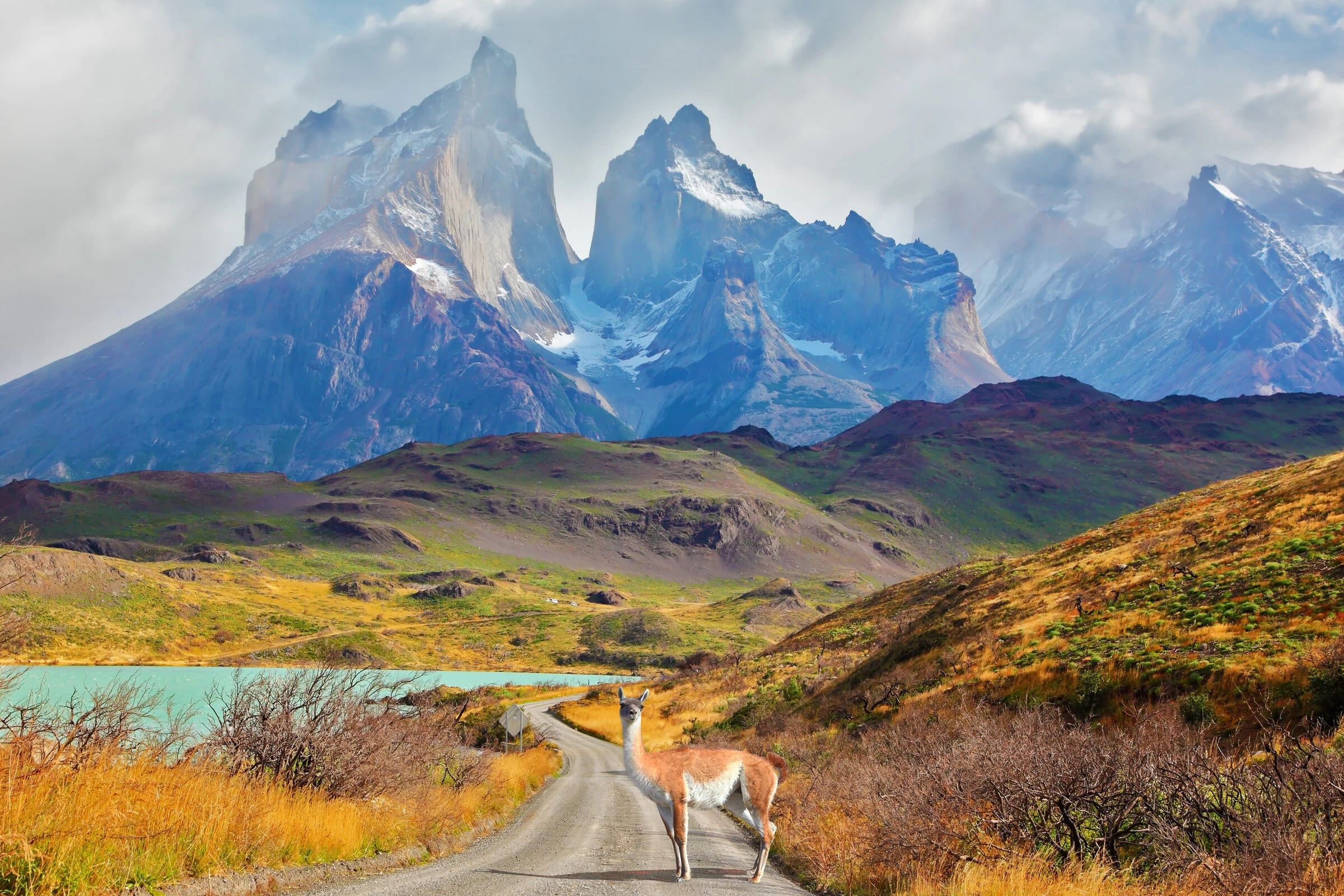
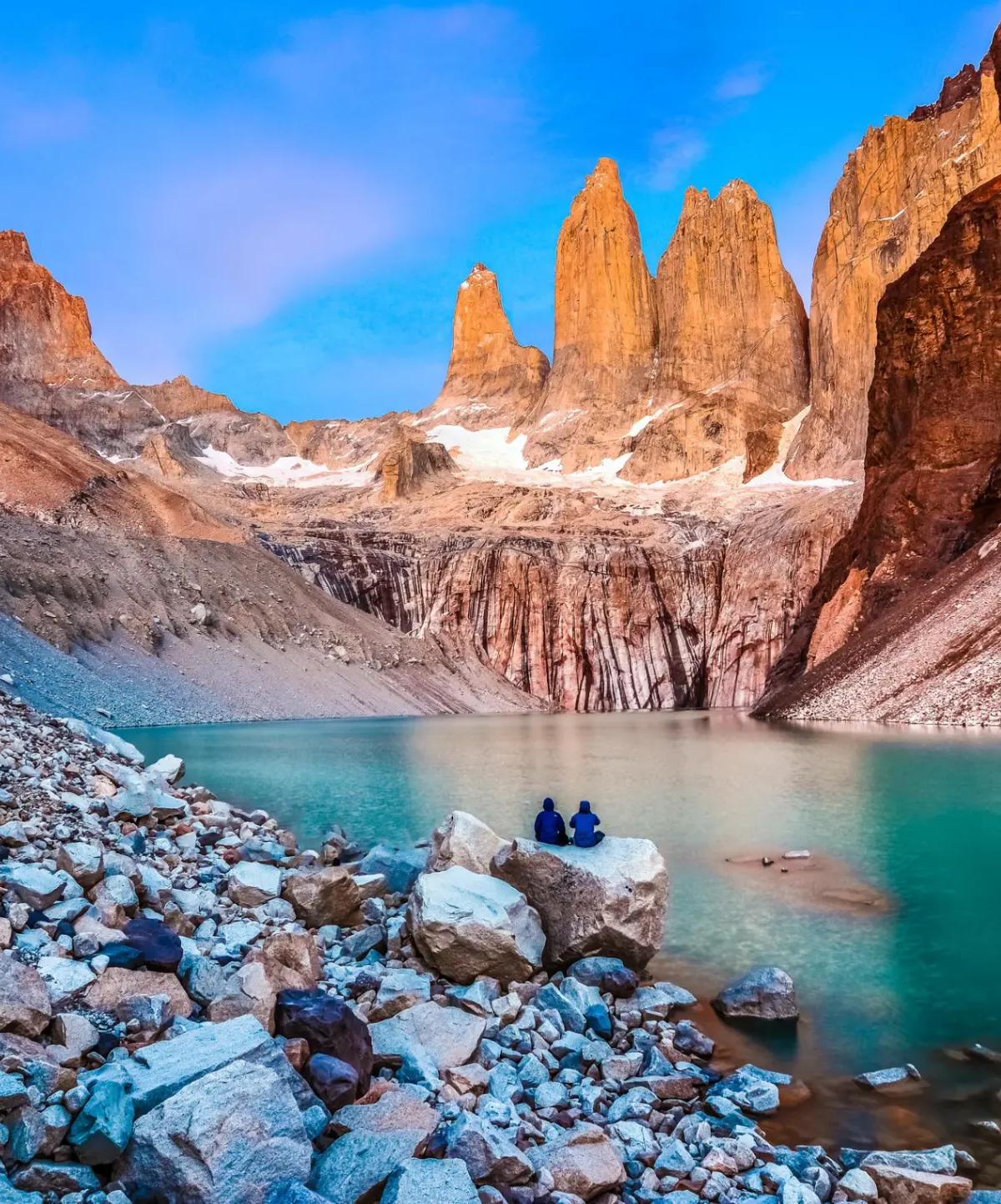
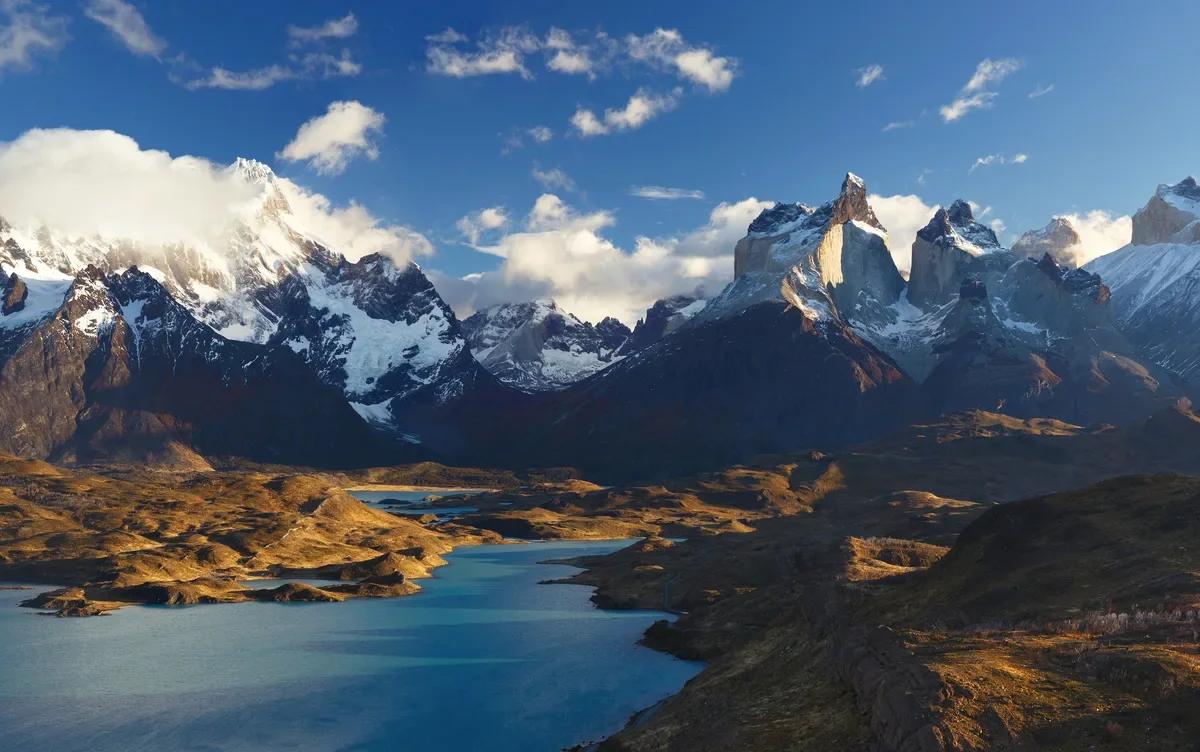
The granite towers, the Cuernos above Lake Pehóe, and the glaciers calving into the fjords at the western end. Walk the W over four or five days, the full O circuit over eight, or work out from a single base and sleep in the same bed each night.
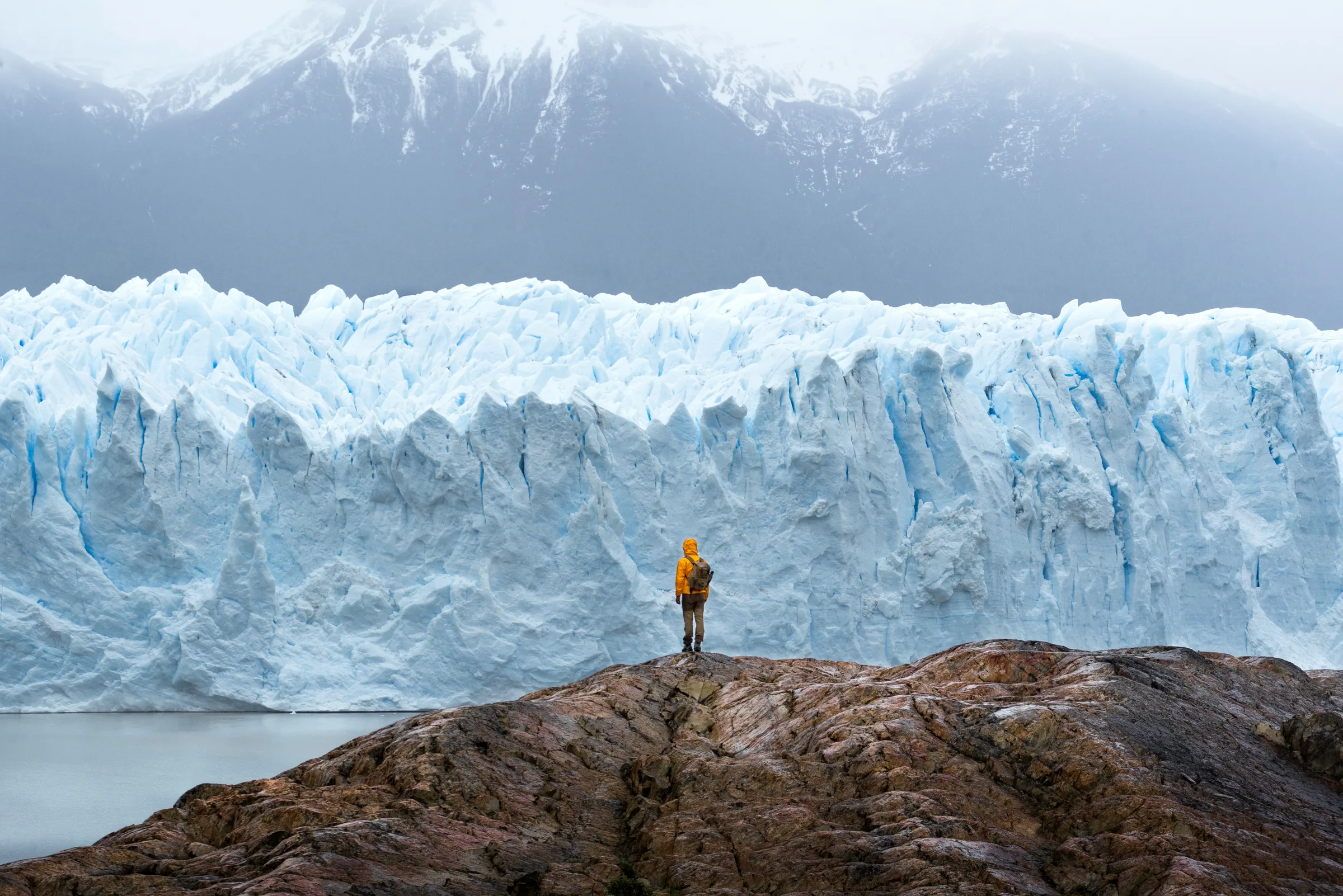
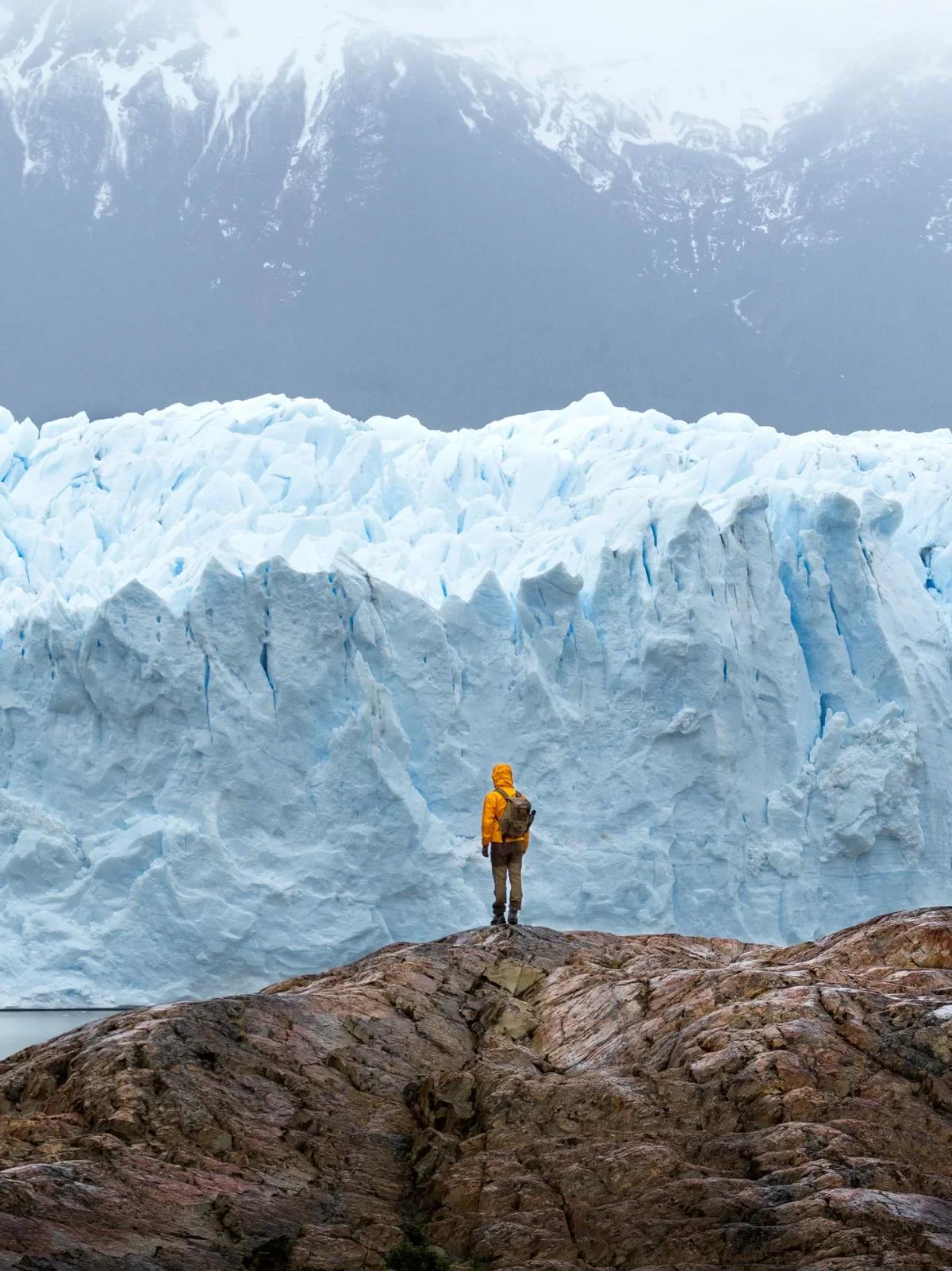
Perito Moreno held its ground for two decades while the rest of Patagonia retreated, and since 2019 it has been thinning fast. It still calves in front of you with a noise you feel rather than hear. FitzRoy and Upsala are the other two worth the crossing, and the border is an easy day.
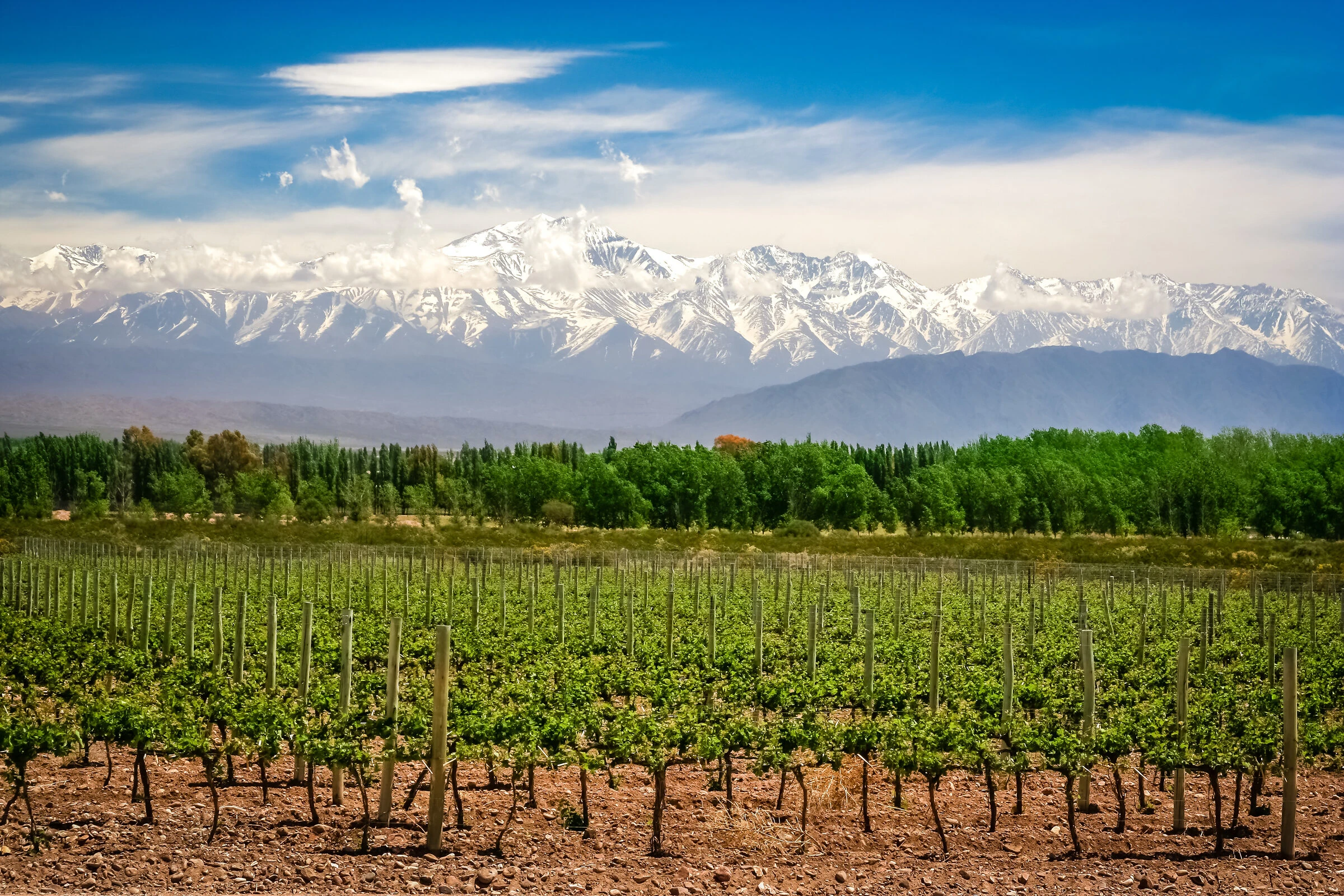
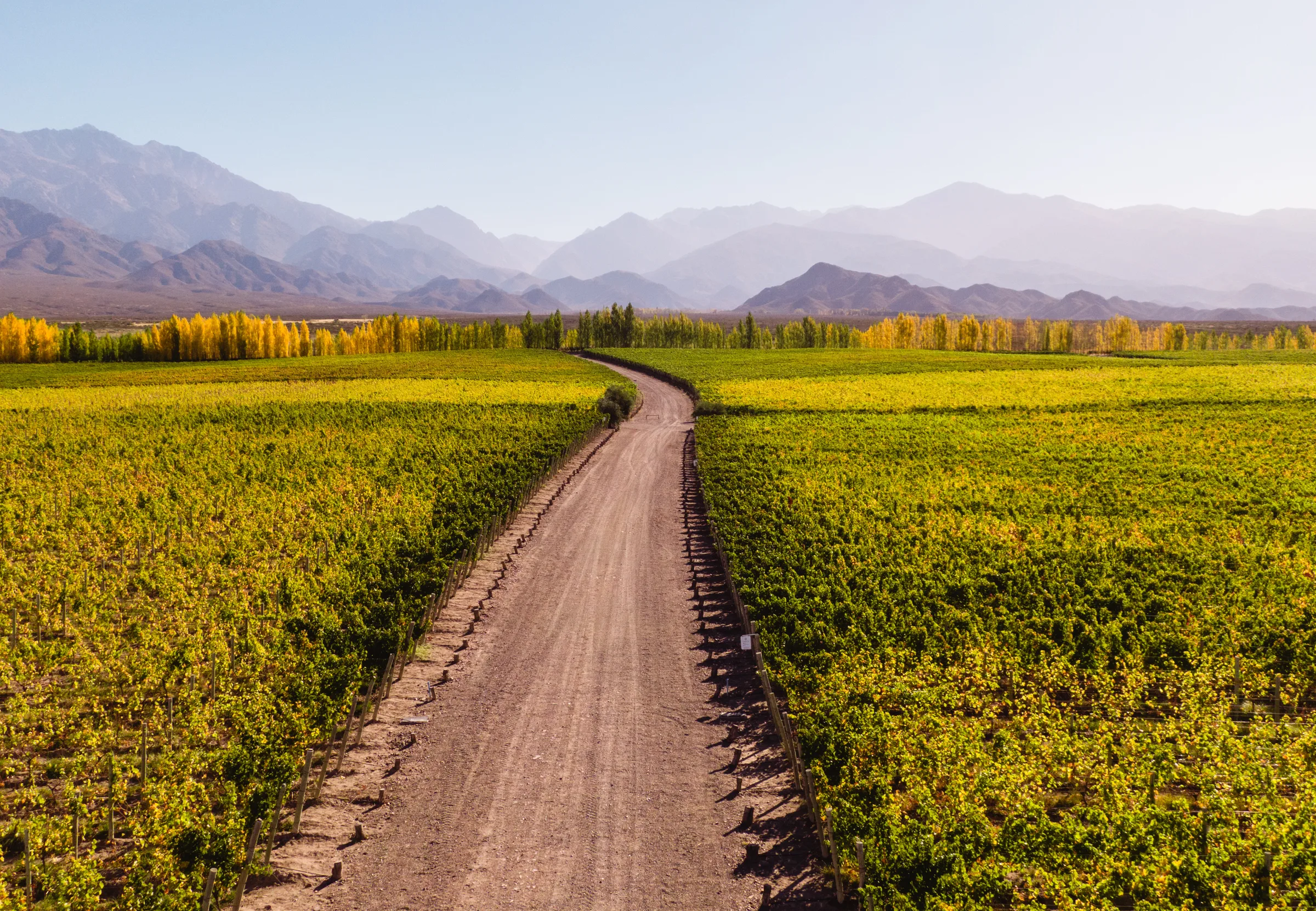
Vineyards running up to the Andes, boutique bodegas and family estancias, and Aconcagua behind them at the top of the Americas. The civilized end of a Patagonia trip, and a good place to put the last three days.
Patagonia is a booking problem before it is a walking problem.
Torres del Paine is booked across three separate portals, each run by a different entity, and your park entry is separate again. A trek is only confirmed when every night lines up across all of them, which is why so many self-planned itineraries have a hole in the middle.
Refugio reservations for the December to February season open in early August the year before and can be gone in 48 to 72 hours. EcoCamp sells out six to twelve months ahead for peak dates. Deciding in March for the following January is already late.
It comes off the ice field across open steppe and peaks in the middle of the season. It closes exposed passes, cancels boat crossings and turns a scheduled day into a different one. An itinerary with no alternative for each day is not built for this place.
The best version of this trip usually crosses into Argentina for the glaciers. That means a land border, separate domestic flights, and connections that do not appear on any single airline’s website.
It is the warmest month, the busiest month and the windiest month, and the refugios were taken five months before you started looking. Late March gives you red lenga forests, calmer air and a park you can move around in.
Eight days on the back of the massif is wonderful and it is a commitment. Most people who have not walked multi-day routes before are happier on the W, or happier still working out from a basecamp and choosing each morning based on the weather.
The park is extraordinary and it is not ten days of extraordinary. Cross to El Calafate for the glaciers, or finish in Mendoza. Both are better than a fourth day of the same trailheads.
Boats get canceled and passes close. If every night is committed and every connection is tight, the first weather day takes the rest of the trip with it.
In most destinations the flights come first. Here the refugio release date is the fixed point, and everything else is arranged around what you actually managed to secure.
Three journeys from our private collection, each published in full. Two stay in Chile: the W on foot, and a slower week at Torres del Paine that ends in the vineyards of the Casablanca Valley. The third is Argentina, with a day on the ice at Perito Moreno and four nights in El Chaltén for the trails.
Examples rather than a fixed list. In Patagonia where you sleep decides how much of the park you can actually reach.
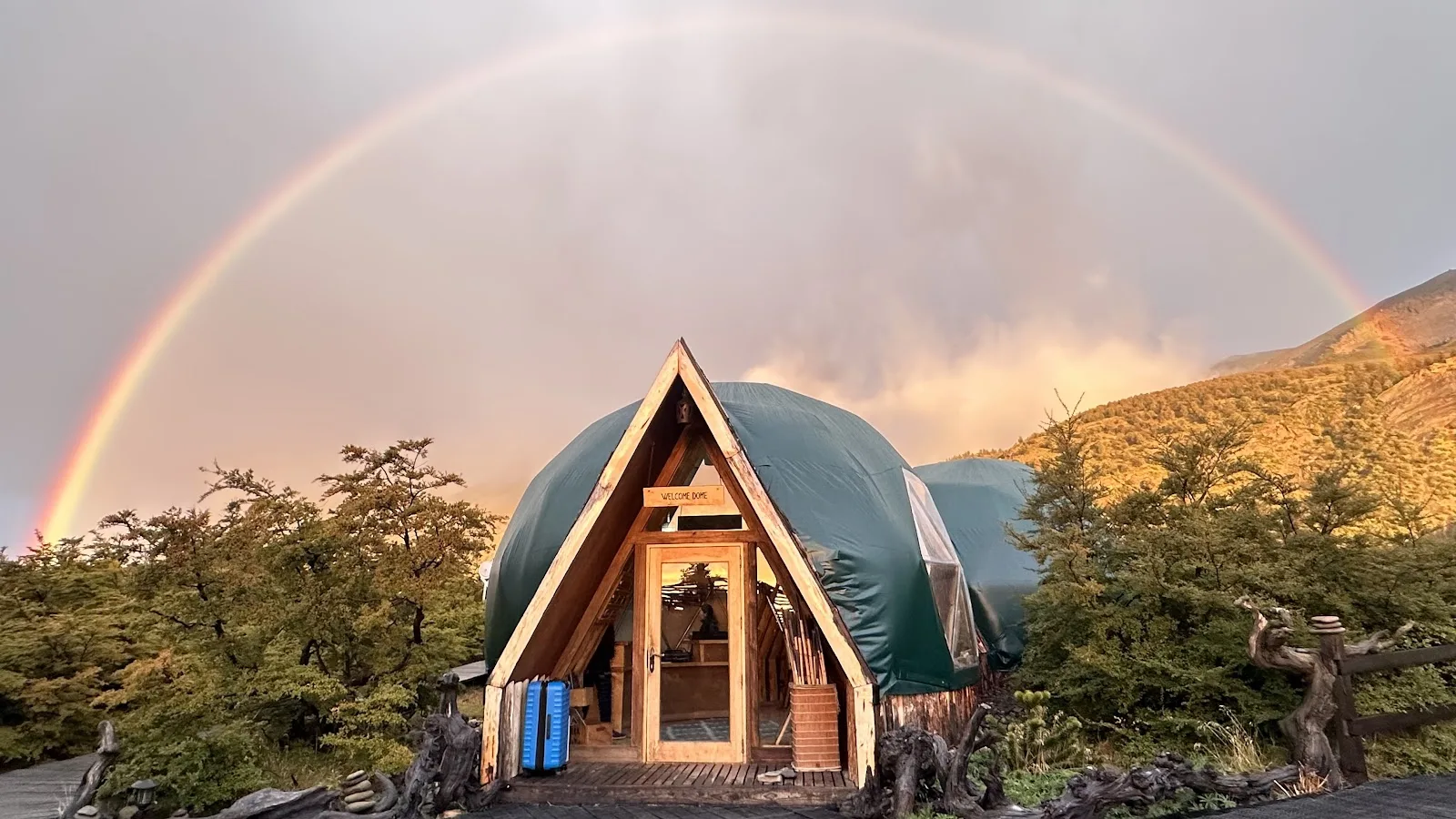
The first geodesic dome hotel in the world, set inside the park with the Paine Towers in view. A proper bed and a hot dinner at the end of every day, and the whole park reachable without moving camp. Sells out six to twelve months ahead.
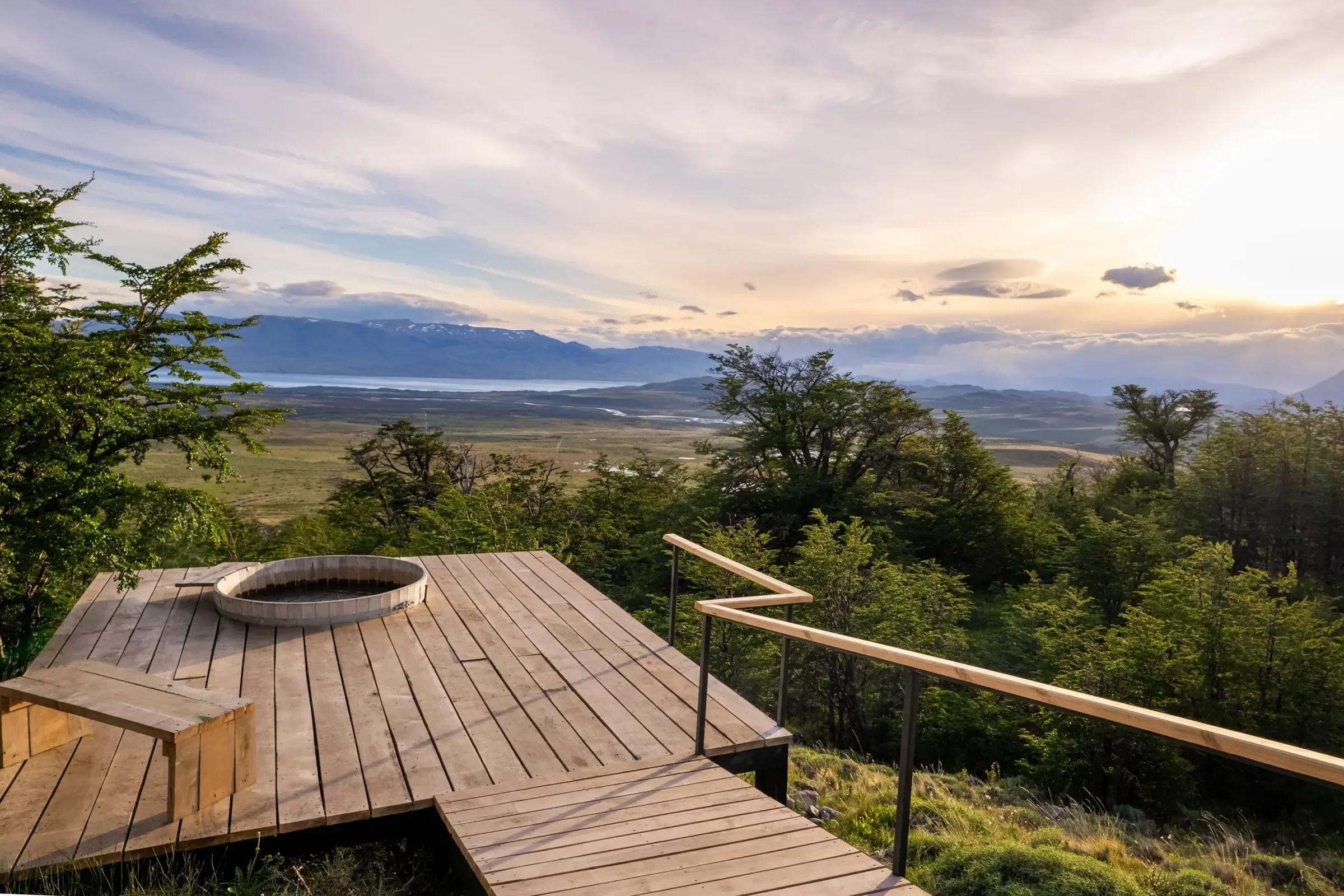
Fourteen villas facing the massif, and the reason to be here: every villa comes with its own guide and its own 4x4. You are not on anyone else’s schedule, which in a park this weather-dependent is worth more than it sounds.
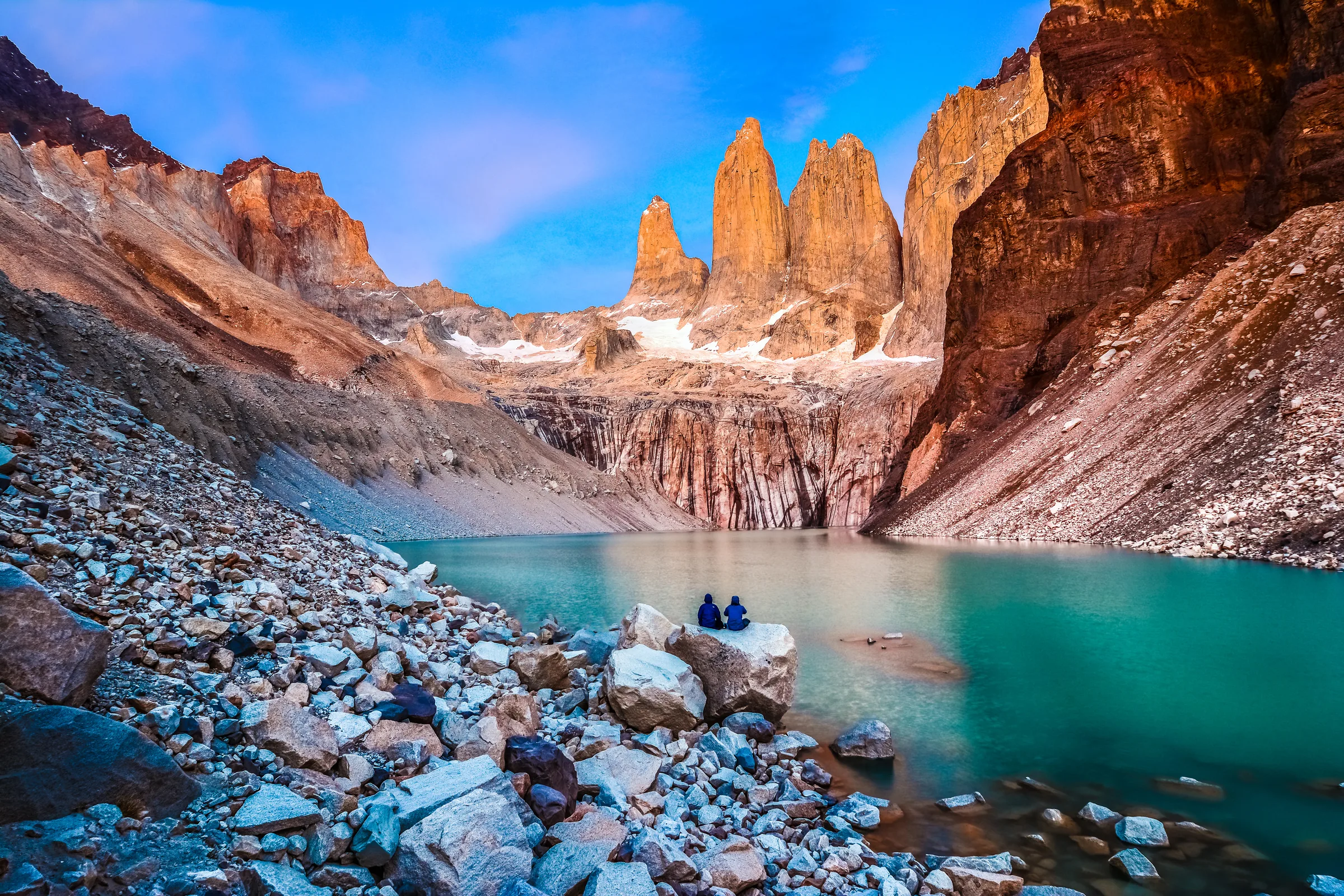
Simple mountain huts spaced a day apart along the circuits, and the only way to sleep on the route itself. Three booking portals, one release date, and no second chances once the peak weeks go.
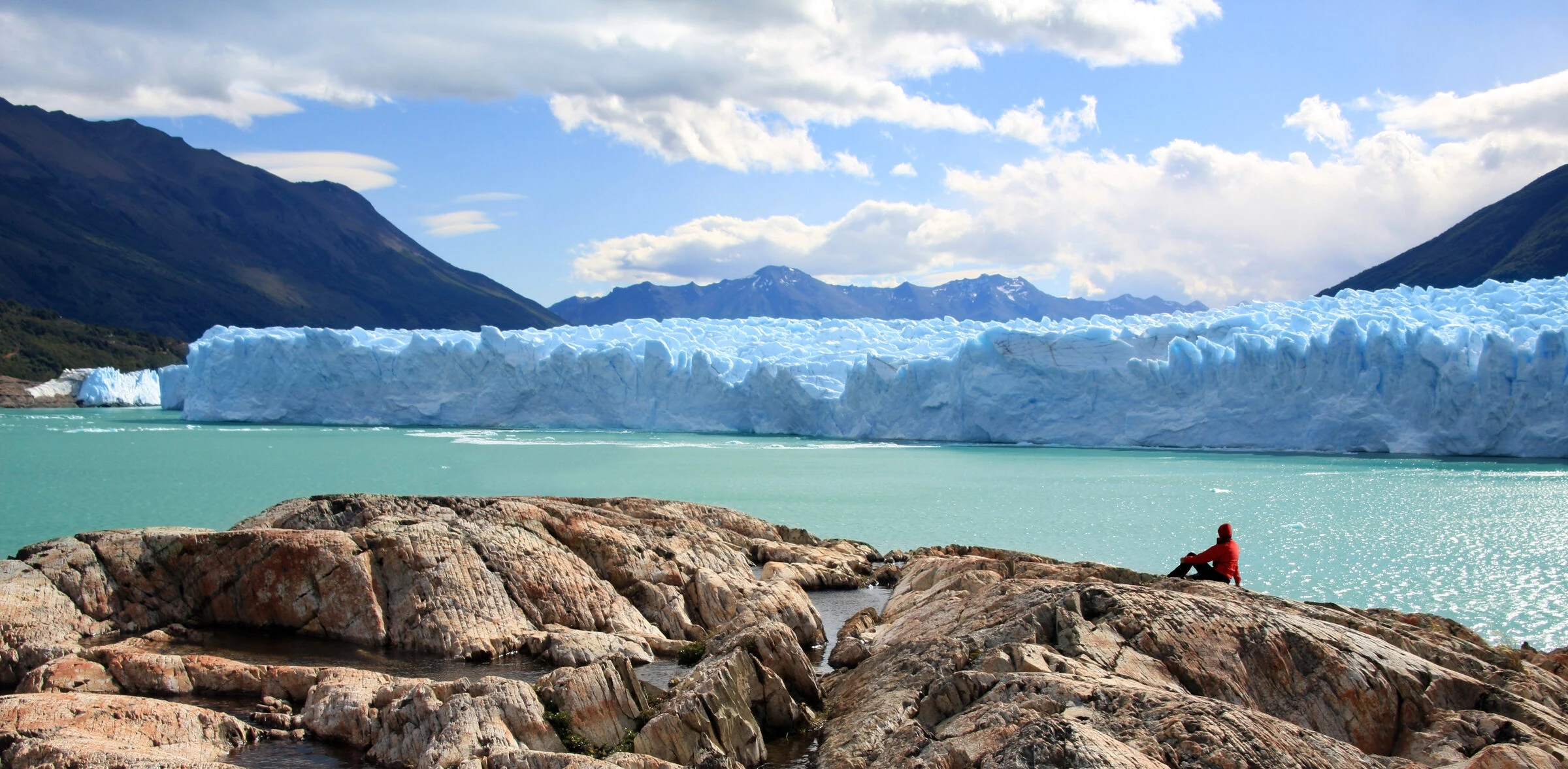
Working estancias and small lodges on Lago Argentino, an hour or so from the Perito Moreno boardwalks. The right base for the Argentine side, and a gentler few days after the Chilean walking.
Small vineyard properties and family estancias under the Andes, with Aconcagua on the skyline. Three nights here is the most civilized possible end to a trip that started in the wind.
Longer reads on where to sleep in the wind, and where to go once the walking is done.
A short southern summer, and four quite different versions of it.
| Window | What It’s For & What to Expect |
|---|---|
| November | Spring, long days and far fewer people. The wind is at its most serious, which is the trade you are making. |
| December to February | Warmest and busiest. Peak crowds, peak wind, and refugios that were taken months earlier. The only window if you are tied to school holidays. |
| March to early April | Lenga forests turning red, noticeably calmer air, and the park emptying out. The window most experienced Patagonia travelers choose. |
| May to September | Southern winter. Most of the park infrastructure closes and the trekking season is over, though the landscape under snow is remarkable for photographers. |
Whether you work with us or not, these are worth asking before committing significant funds.
Torres del Paine is booked across three separate systems. Ask for confirmation numbers for every night, not an assurance that it is in hand. A trek with one unconfirmed night is not a trek.
Early August the year before, for the December to February season, and it can be gone in two or three days. The answer should be a date and a plan.
Both happen regularly. You want a specific fallback for each day, not a general reassurance that it rarely matters.
If your trip includes the glaciers, ask who is meeting you on each side, how long the crossing takes on your dates, and what happens to the onward flight if it runs long.
First-hand experience, or a trusted colleague’s direct experience, is the standard. In Patagonia it shows up in which refugio is worth the extra hour and which day is better run in reverse.
The season runs November to mid-March. November is quieter and the wind is at its strongest. December through February is warmest and busiest, with refugios that sold out months earlier. March into early April turns the lenga forests red and the wind drops noticeably, which makes it the window most experienced Patagonia travelers choose.
Further ahead than almost anywhere. Refugio reservations for the December to February season open in early August the year before and can sell out within 48 to 72 hours. EcoCamp Patagonia typically sells out six to twelve months ahead for peak dates. If your dates are fixed, planning starts roughly a year out.
Yes, if the trip is built around day walks and lodges rather than a multi-day circuit. Torres del Paine has extraordinary short hikes, and the wildlife, glaciers and boat trips hold children’s attention. The wind is the thing to prepare them for.
It moves considerably with whether you are in refugios, domes or hotels, and whether you cross into Argentina. We give you a straight number for your specific dates and standard before you commit to anything.
The full circuits are. The W is four to five days of sustained walking and the O is eight or more. But a great deal of Patagonia is reachable on day hikes from a comfortable base, and the basecamp version asks far less while seeing most of the same country.
One of us personally owns your trip from the first conversation to the last night.

Tell us which season you can travel and how much walking you actually want to do. We will tell you honestly what is still available.