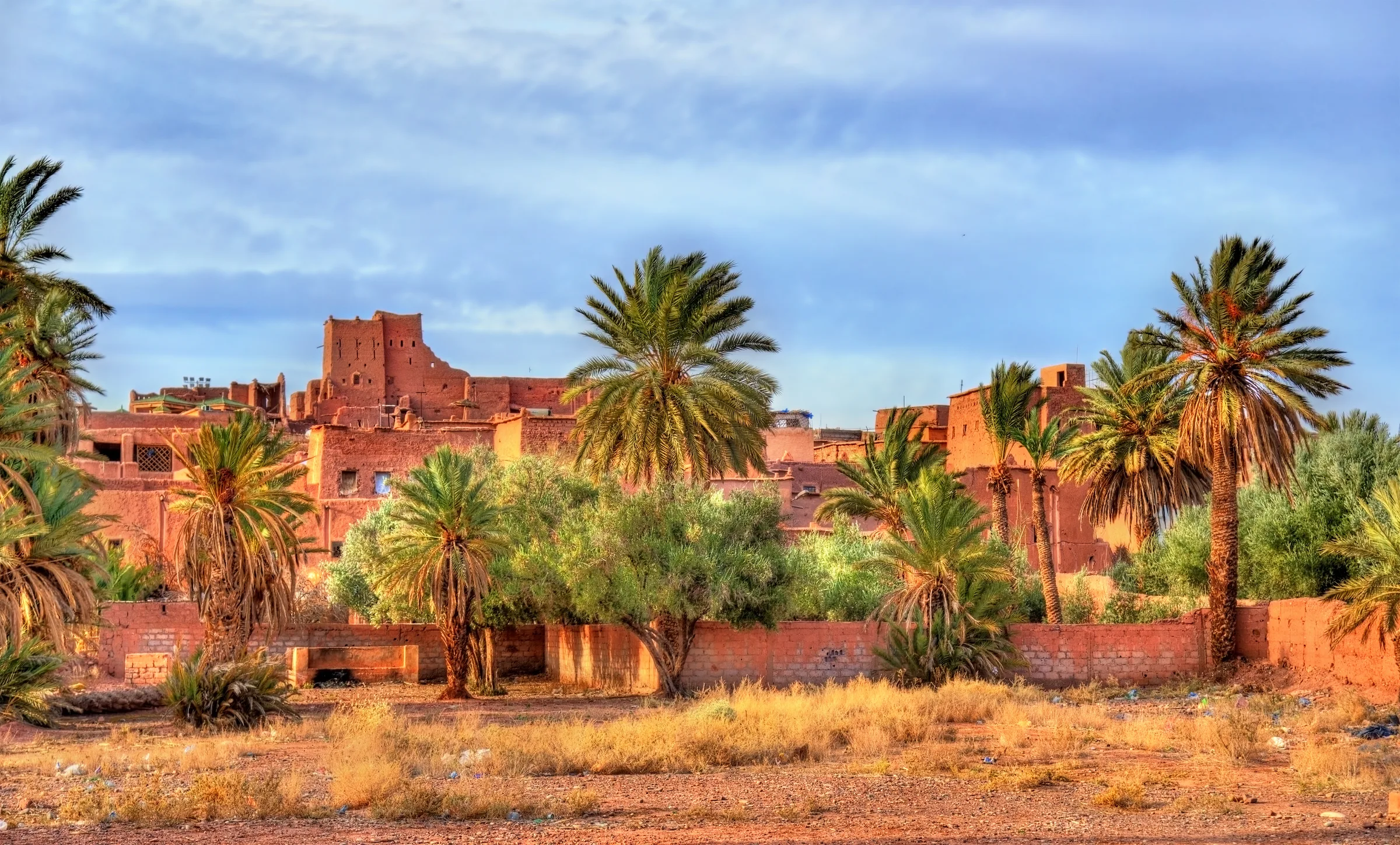
North Africa
The Nile, the High Atlas and the Sahara.
At Luxor, the temples for the living stand on the Nile’s east bank and the tombs of the dead on the west.
Our two North Africa journeys begin in different places. One sails the Nile from Luxor to Aswan on a dahabeya. The other leaves Marrakech for the High Atlas, climbs Jebel Toubkal and ends in the dunes of Erg Chebbi.
This is the part of the continent we design.
Leave the first morning clear: The Egypt route spends its first full morning at Giza, with a private visit to the Great Sphinx that starts in the hotel lobby before dawn. An arrival day with nothing planned on top of it keeps that start from costing you sleep you need.
Regions
Three places that anchor our journeys, each with its own way in.
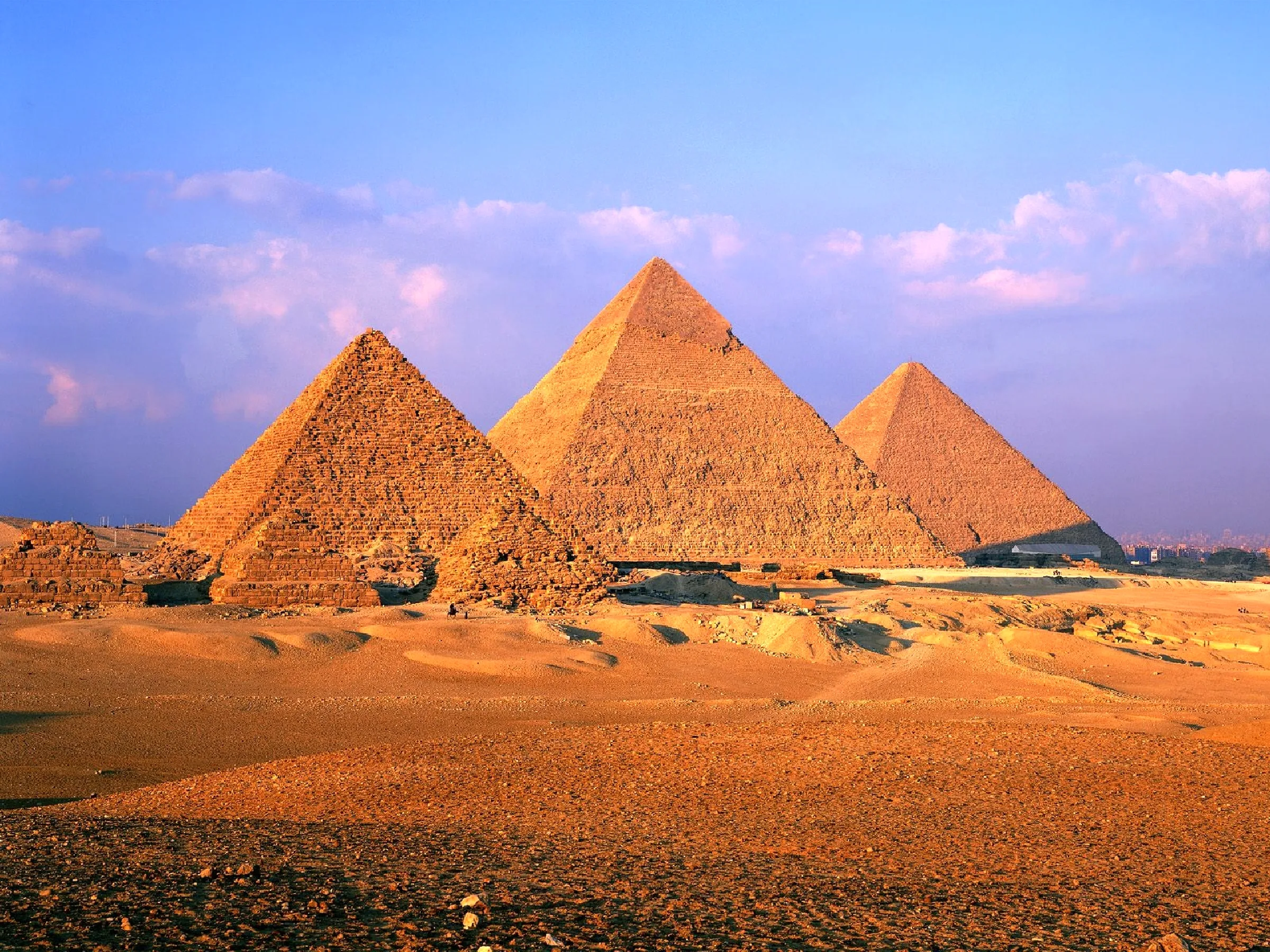
Cairo, Luxor & the Nile
The Grand Egyptian Museum and the Giza plateau, Thebes on both banks at Luxor, then four nights sailing to Aswan on the dahabeya Nawara. Abu Simbel comes by air from Aswan.
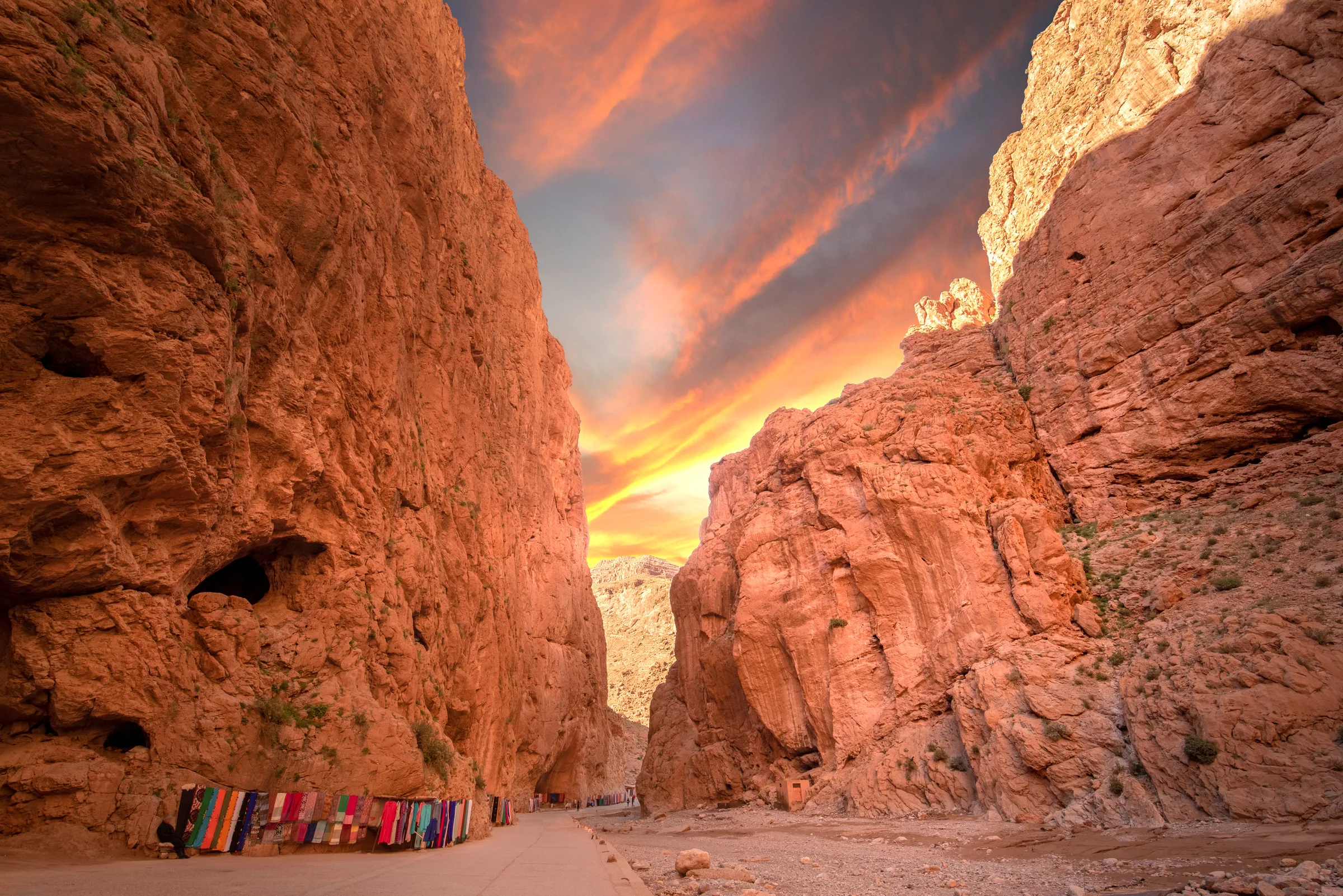
Marrakech & the High Atlas
Marrakech’s medina first, then the road up to Imlil and the trail through Toubkal National Park to the Refuge du Toubkal. The summit of Jebel Toubkal, at 4,167 meters, is a pre-dawn climb from the refuge.
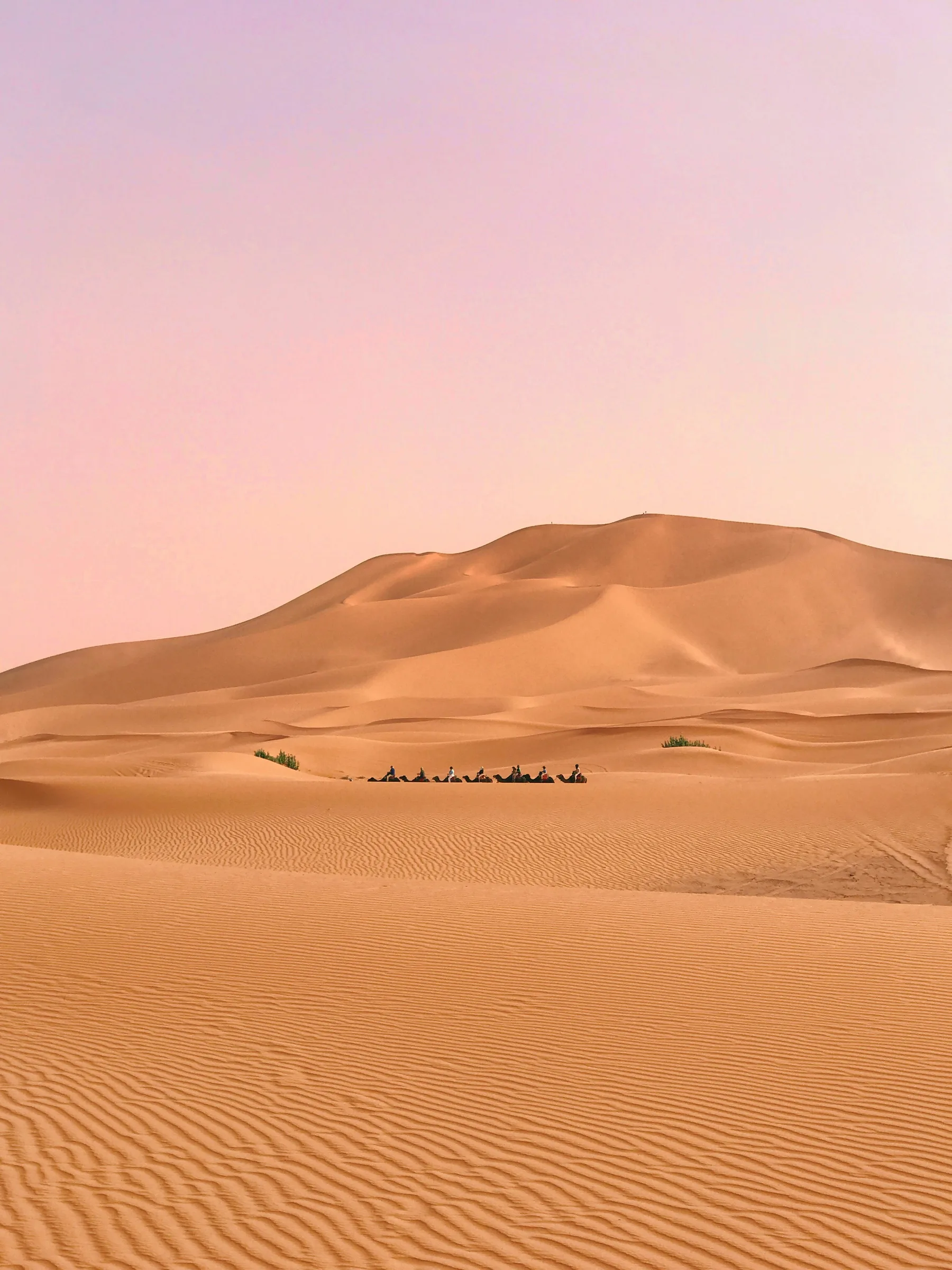
The Dades Valley & the Sahara
South of the Atlas by way of the Tizi n’Tichka, a night in the Dades Valley, then Merzouga at the edge of Erg Chebbi, with a morning camel ride across some of the highest dunes in the Sahara.
What We Design in North Africa
- The Nile by dahabeya: Cairo, Luxor and Aswan, with the days between spent sailing and visiting temples at the quiet hours.
- A Jebel Toubkal climb: Imlil, a night at the mountain refuge, and the summit before the day warms up.
- Desert nights: a camp at the edge of Erg Chebbi, reached by the long road south of the Atlas.
- Medinas and riads: Marrakech at the start and the end of the Morocco route.
Insider Guidance
What shapes a trip in Egypt or Morocco before you choose a single activity.
Why North Africa Is Harder to Plan Than It Looks
Two countries, two seasons
Egypt’s season runs October to April. The Morocco trek has two windows, April to May and September to October. Only April and October fall in both, so a trip that combines them is built around those months.
Egypt moves by air and water
Flights link Cairo, Luxor and Aswan, and four nights are spent sailing between Luxor and Aswan. The order of the days follows the river.
Morocco is long road south of the Atlas
Imlil to the Dades Valley takes about six and a half hours by way of the Tizi n’Tichka, and the Dades Valley to Merzouga another four. The mountain days and the desert days are separated by a day of driving.
What We’d Talk You Out Of
Reaching the Giza plateau after the gates open
Our Egypt route starts the Sphinx visit before dawn, before the plateau opens to everyone else. A later start trades that for the crowds.
Climbing Jebel Toubkal as a day trip from Imlil
We spend a night at the Refuge du Toubkal so the summit climb begins before dawn from the refuge, with the day’s walk already behind you.
Traveling outside the seasons
October to April for Egypt, April to May and September to October for the Morocco trek. If your dates fall outside them, tell us and we will look at what fits.
North Africa Journeys
Two private itineraries, one in Egypt and one in Morocco.
A few of the places we work with
Examples rather than a fixed list, to give you a sense of the kind of property we use and why a North Africa itinerary tends to be built around them.
Marriott Mena House
Two nights in Cairo. The second morning begins in the lobby before dawn, for a private visit to the Great Sphinx before the plateau opens.
Riad Kheirredine
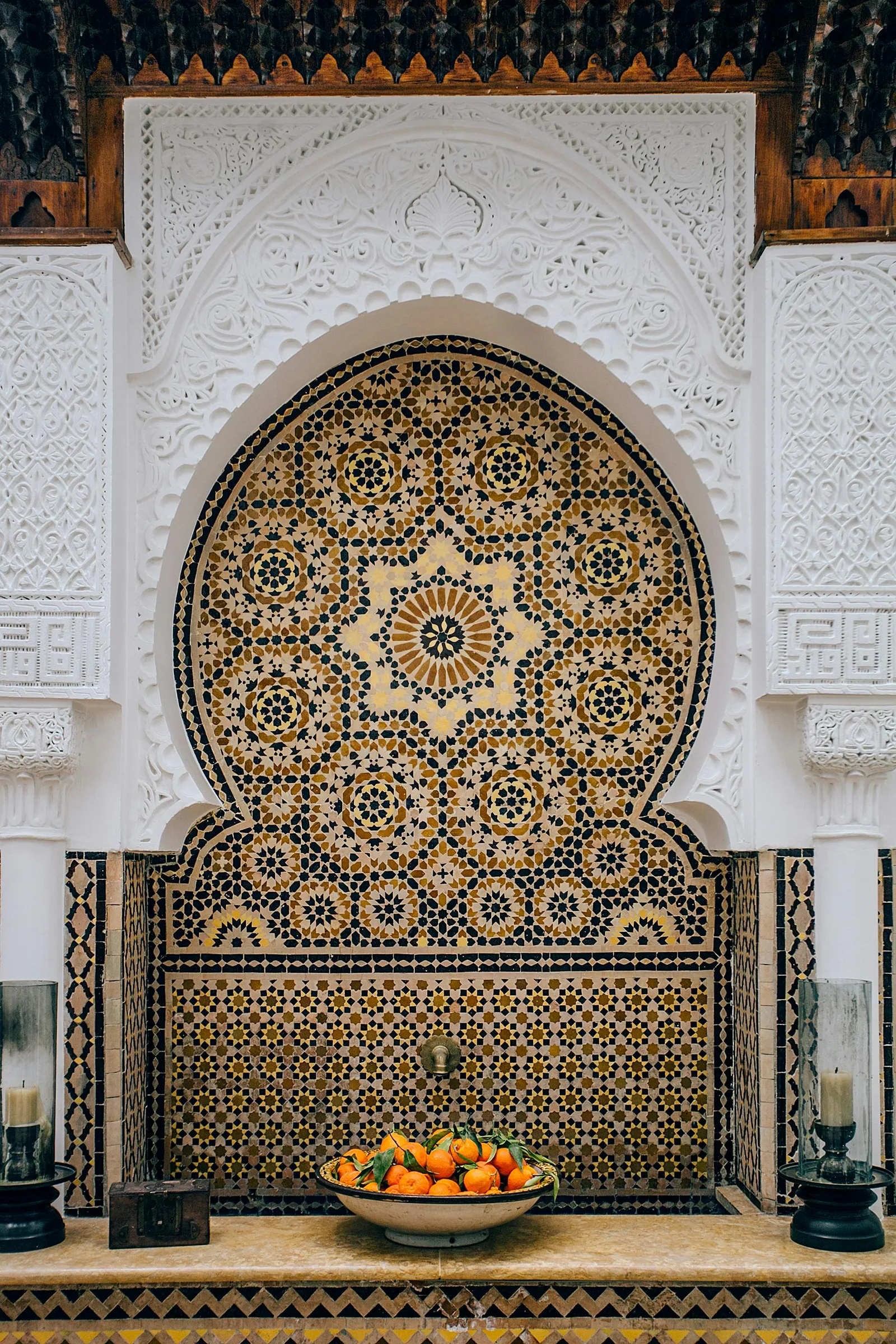
Behind a plain door in the old walls, a short walk from Jemaa el-Fnaa. Junior suites on full board, with a traditional Moroccan hammam.
Merzouga Desert Luxury Camp
The night at the edge of the Sahara, after a four-hour drive from the Dades Valley. The next morning is a camel ride across the Erg Chebbi dunes.
When to Go, and What For
Egypt and the Morocco trek each have their own windows.
| Window | What It’s For & What to Expect |
|---|---|
| October to April | The Egypt season. November to February gives the coolest days. |
| April to May | The first Morocco window. May is best for clear mountain trails. |
| September to October | The second Morocco window. Late September and October bring clear trails and comfortable days in the dunes. |
| April and October | The two months that fall inside both countries’ windows. |
What to Ask Before You Book North Africa
Whether you work with us or not, these questions are worth asking before you commit funds.
Which visits include an Egyptologist, and which don’t?
Ask for it by site. A planner should be able to say where a specialist is with you and where you are on your own.
Where do you sleep on summit day, and what happens if the weather turns?
The answer should name the refuge, the start time and the fallback. Ask what happens to the days that follow if the summit is lost.
How many hours of driving separate the mountains from the desert?
On our Morocco route it is a long day, then a shorter one. A plan that leaves it out of the schedule is hiding the cost.
North Africa Planning, Answered
What’s the best time of year to visit Egypt and Morocco?
October to April is the season in Egypt, and November to February gives the coolest days. For the Morocco trek, April to May and September to October are the windows, with May and late September to October best for clear mountain trails and comfortable days in the dunes.
Are Egypt and Morocco trips physically demanding?
It depends on which journey. The Egypt route is built around visits, flights and sailing. The Morocco route is the demanding one: a trek from Imlil to the Refuge du Toubkal, then a pre-dawn climb from the refuge to the 4,167-meter summit of Jebel Toubkal.
Your North Africa Design Team
One of us personally owns your trip from the first conversation to the last night.

Deb Miller
Frank Castro
Ready when you are
If you’re ready to build a trip in Egypt or Morocco, designed properly with direct personal attention, let’s talk.