Where to Stay
Destination
Southern Africa
Small camps, smaller planes, and a lot of country between them.
Small camps, smaller planes, and a lot of country between them.
The Okavango floods in the dry season. Most of what matters about planning this region follows from that.
The water arrives in Botswana months after the rain that made it, coming down from the Angolan highlands and spreading across the Delta between June and August, which is the middle of the dry season everywhere else. So the Delta is at its best exactly when the bush is at its driest and the game has concentrated on whatever water is left. One window, not several.
The other thing to know is that you will fly. The camps sit at the end of airstrips, not roads.
Fifteen kilograms, soft bag, per person. The light aircraft that connect these camps enforce it, hard suitcases often will not fit the hold at all, and passengers over a hundred kilograms may be asked to buy a second seat. We say this at proposal stage rather than the week before, because it changes what you pack and occasionally what you buy. Every camp does laundry daily and most include it.
Three countries, one light-aircraft network, and a soft landing at the end of it.
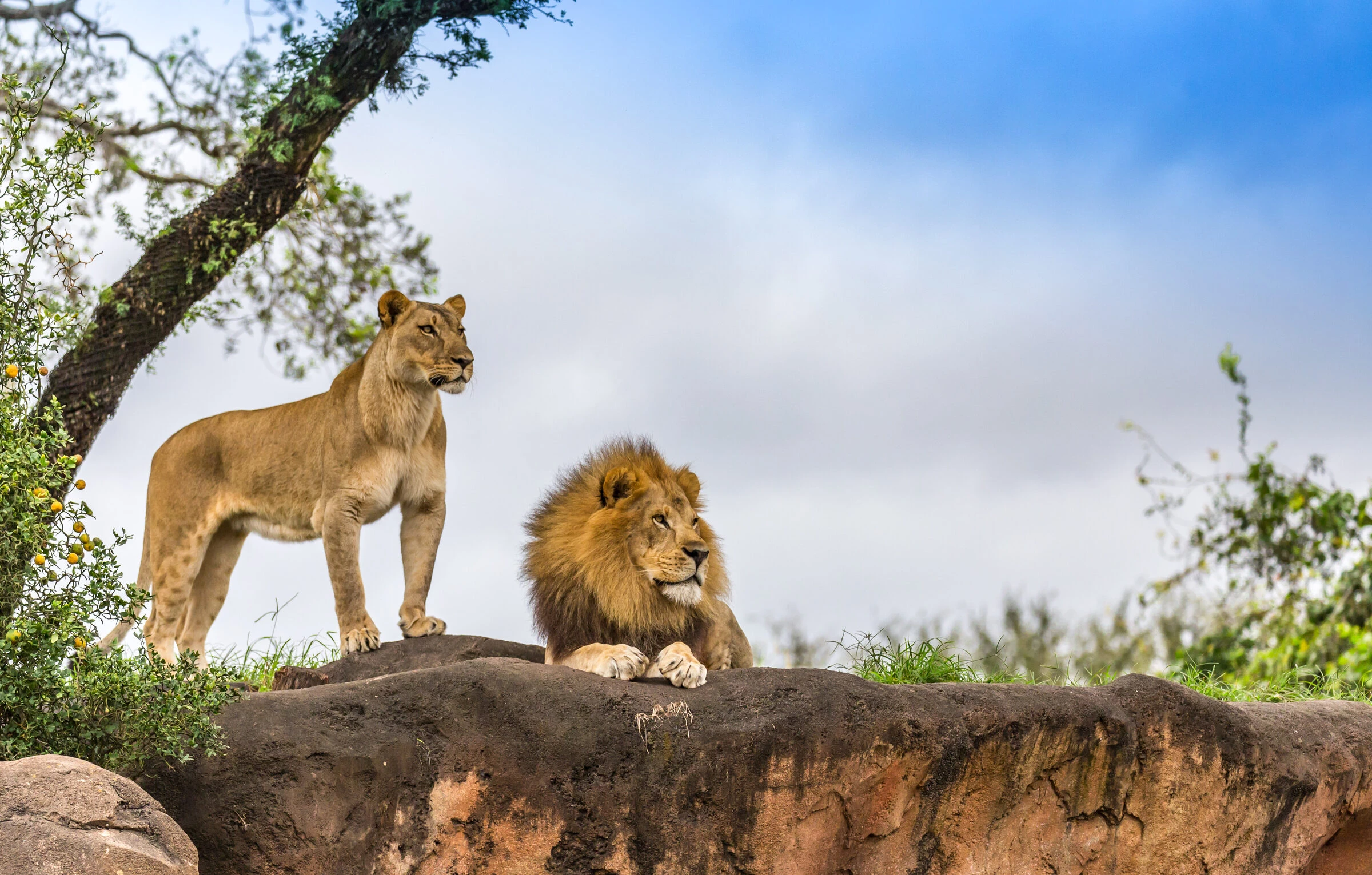
Unfenced against Kruger, so the game moves freely, but privately managed, so the vehicles do not. Off-road tracking is permitted here and prohibited in the national park next door. That single rule is why the leopard viewing is what it is.
A river that never reaches the sea. It spills into the Kalahari and evaporates there, and you move through it by mokoro, the shallow canoe poled standing up. Water changes what a safari is: you drift instead of driving, and the animals do not hear you coming.
Two nights, in the middle of a trip rather than at either end. The falls take a morning. What earns the stop is the Batoka Gorge, the Zambezi at sundown, and the fact that it breaks a long flying day in half.
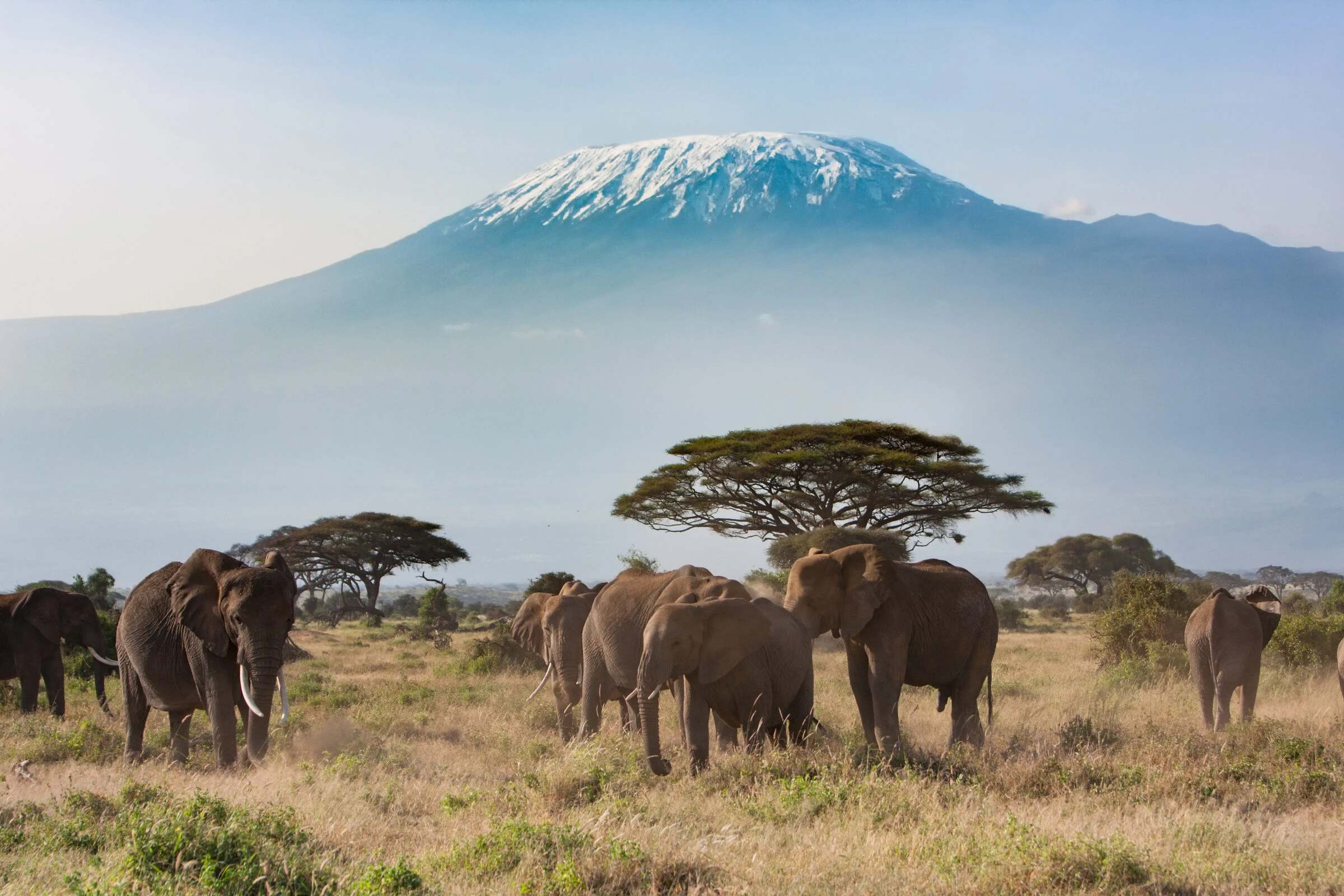
The civilized end, and the part that makes this work for anyone who does not want ten straight days of game drives. Malaria-free, walkable, and an hour from vineyards farmed since the seventeenth century.
Stories from the Postcards journal on Southern Africa, for the planning stage and the daydreaming stage.
The mistakes here are seasonal and logistical. Both are avoidable.
The water is Angolan rain that fell months earlier, and it reaches the Okavango between June and August. Book the Delta for its channels in March and they may not be there. The flood, the dry season and the game concentration all line up, which is why this region has one obvious window rather than several.
Eight tents here, twelve suites there, eighteen guests at the next. A family of six can be most of a camp. Peak dates in the good ones go about a year out, and the exclusive-use houses go further.
In Sabi Sand a vehicle may leave the road to follow a leopard. In Kruger it may not. Same animals, same ecosystem, and the price difference is precisely what you are buying.
Sabi Sand and the Okavango sit in malaria areas. Madikwe, the Eastern Cape reserves, Cape Town and the Winelands do not. With young children that one fact often decides the whole route, and it is better decided first than at the pharmacy.
The first afternoon is arrival and the last morning is departure, so two nights is one day of game viewing. Three per camp is the floor, which is why a good route is nine or ten nights across three camps rather than five across five.
Fifteen kilograms in a soft bag, and the hold on a light aircraft is a shape rather than a volume. This is not a guideline that gets waived at the airstrip.
It is a legitimate way to see the park and it is a different holiday. You are on tar, off it is forbidden, and you are looking at the same sighting as forty other cars. If that is the budget, we would rather build you a shorter trip in a private reserve.
It is a two-night stop that breaks a long flight and hands you the Zambezi at sunset. Build a week around it and you spend most of that week in a town that exists to sell you activities.
November to March is beautiful, cheaper and full of newborn animals. It is also thick bush, scattered water and harder sightings. Come in the dry season the first time and in the green season once you know what you are looking at.
Examples rather than a fixed list. In this region the camp decides the safari, because the guiding, the traversing rights and the number of vehicles at a sighting all come with it.
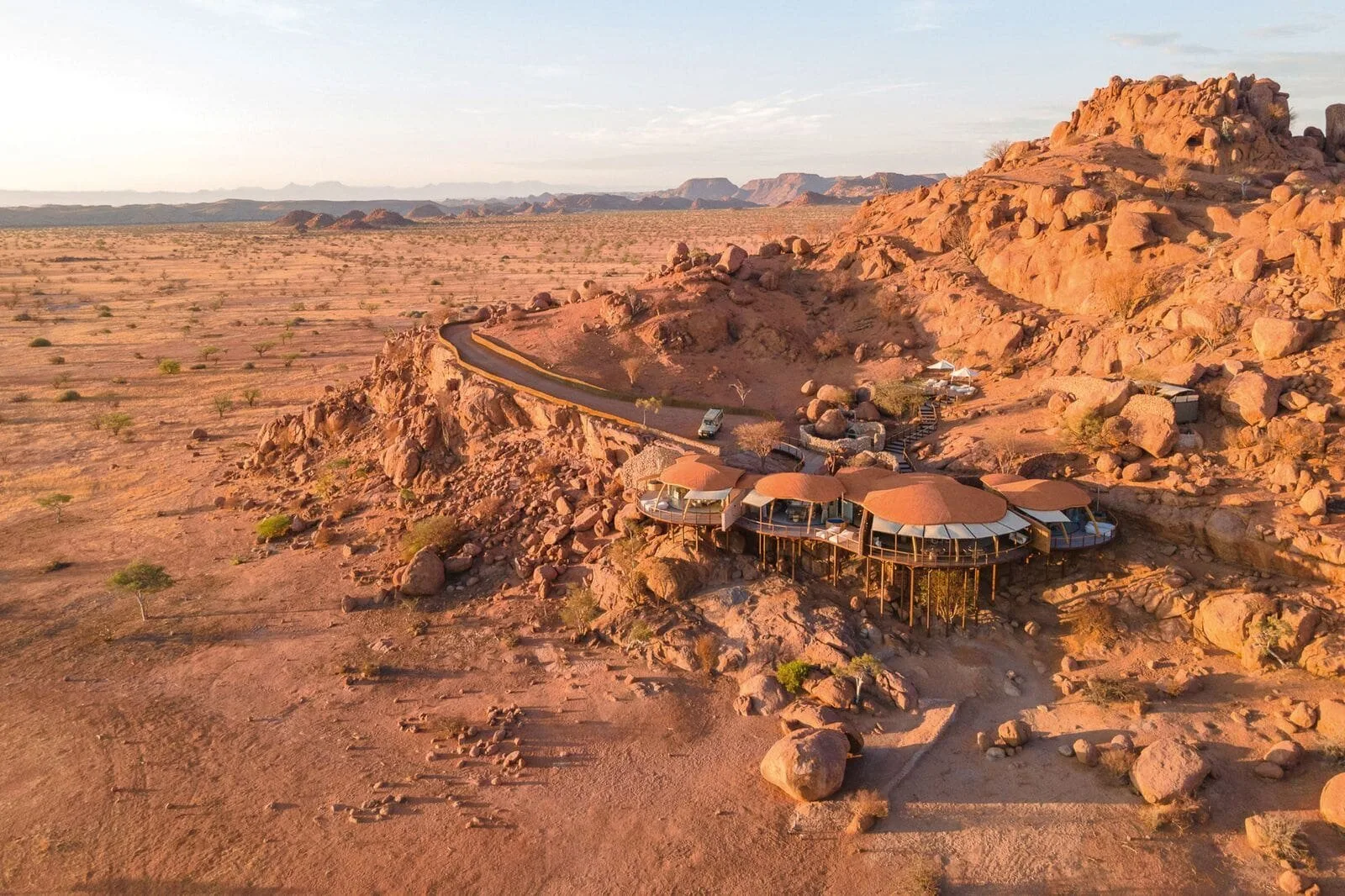
Eight tents on stilts for up to sixteen guests, the dining and lounge decking built around an ancient fig. Mokoro through a necklace of palm-dotted islands, which is how to see the Delta rather than from a vehicle.
Eighteen guests, every suite facing the Batoka Gorge with its own plunge pool and viewing deck. Close enough to the falls for a private morning tour, far enough out to sit in its own game reserve.
Singita’s first lodge and still the homely one. Twelve suites on the Sand River with canvas and glass where the walls would be, each with a private deck and heated pool. Some of the best leopard viewing in South Africa is on this traverse.
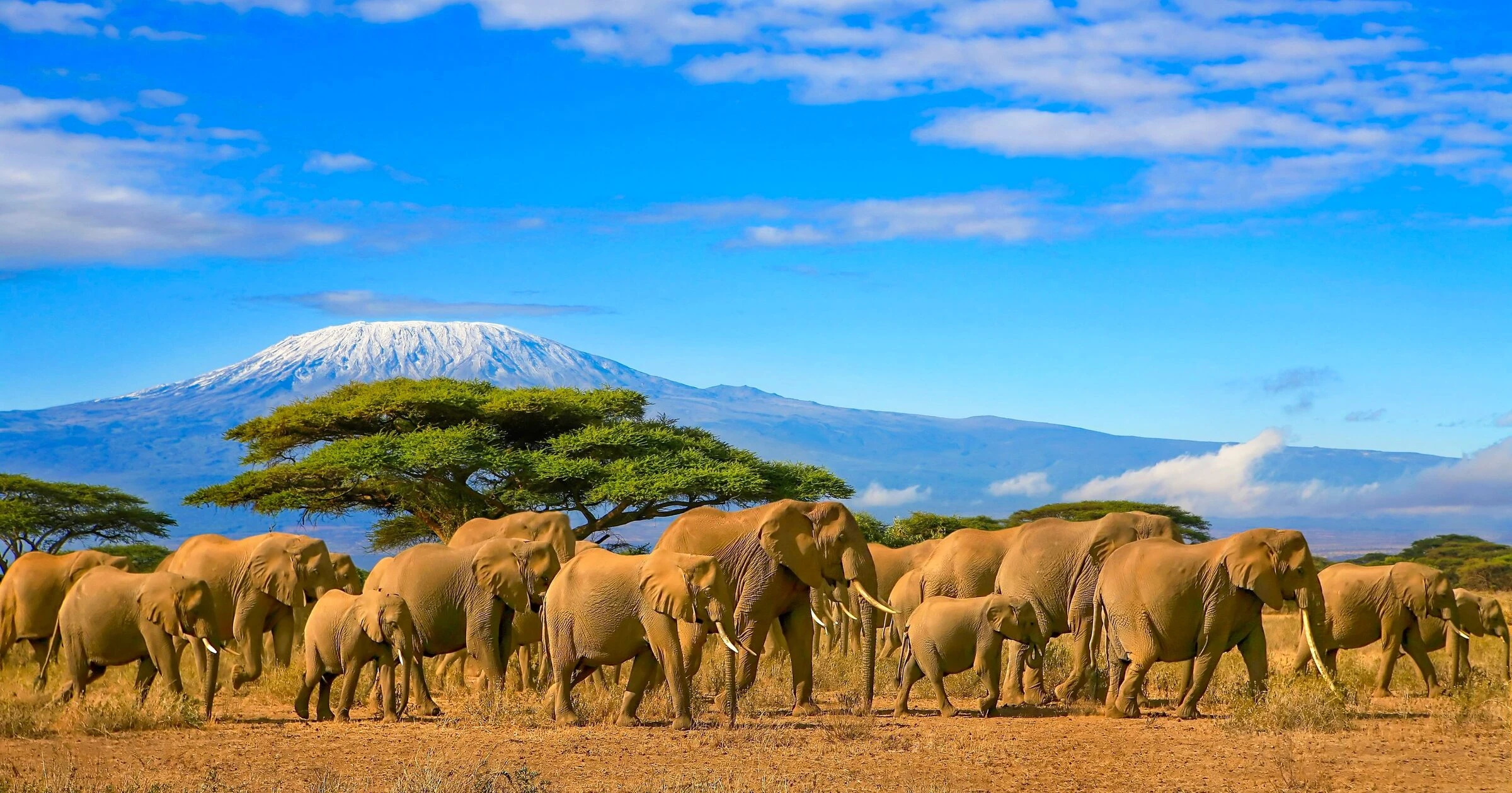
A whole house taken privately, with its own guides, chef and hosts, inside a Big Five reserve. Madikwe is malaria-free, which is why this is the one we reach for with young children.
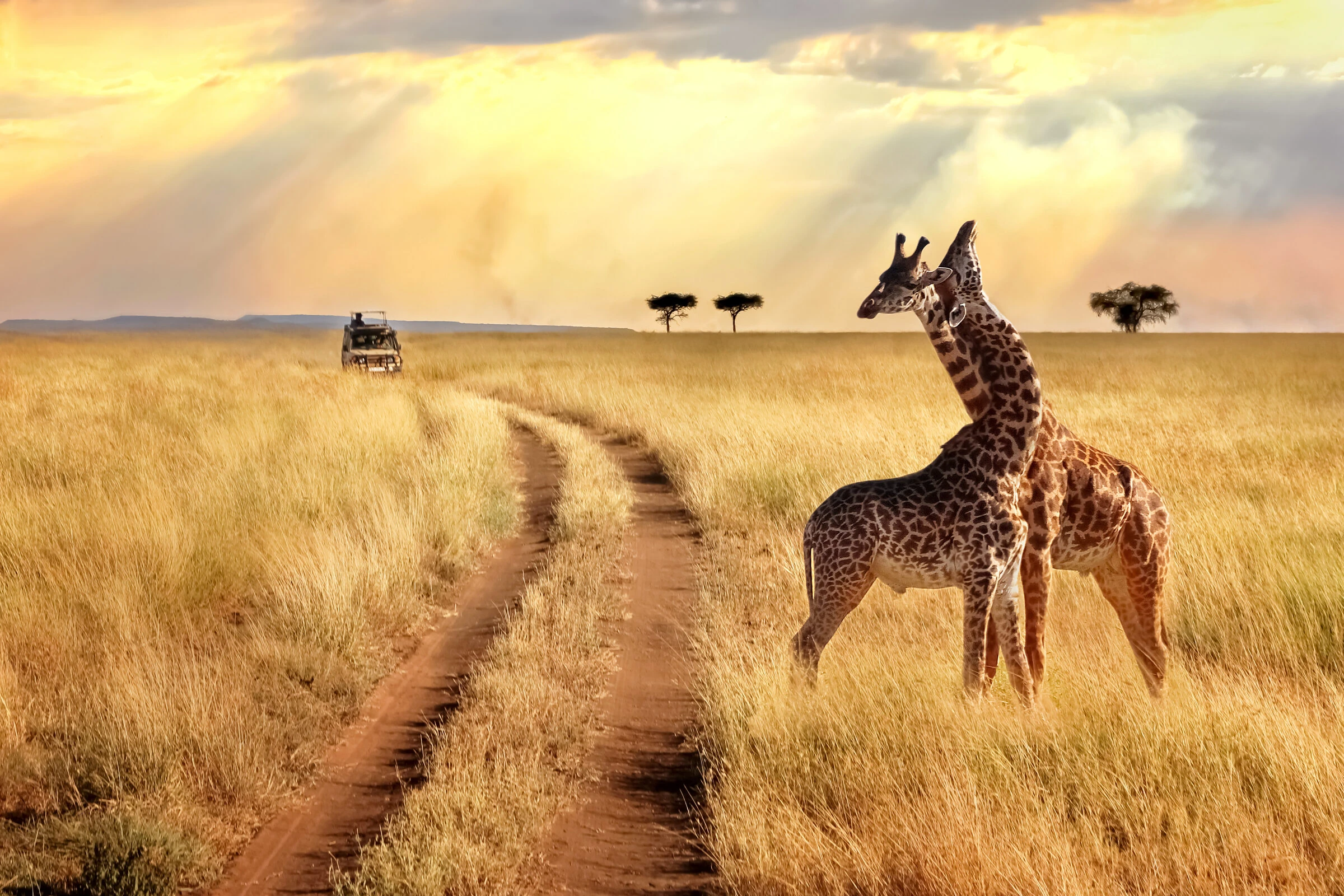
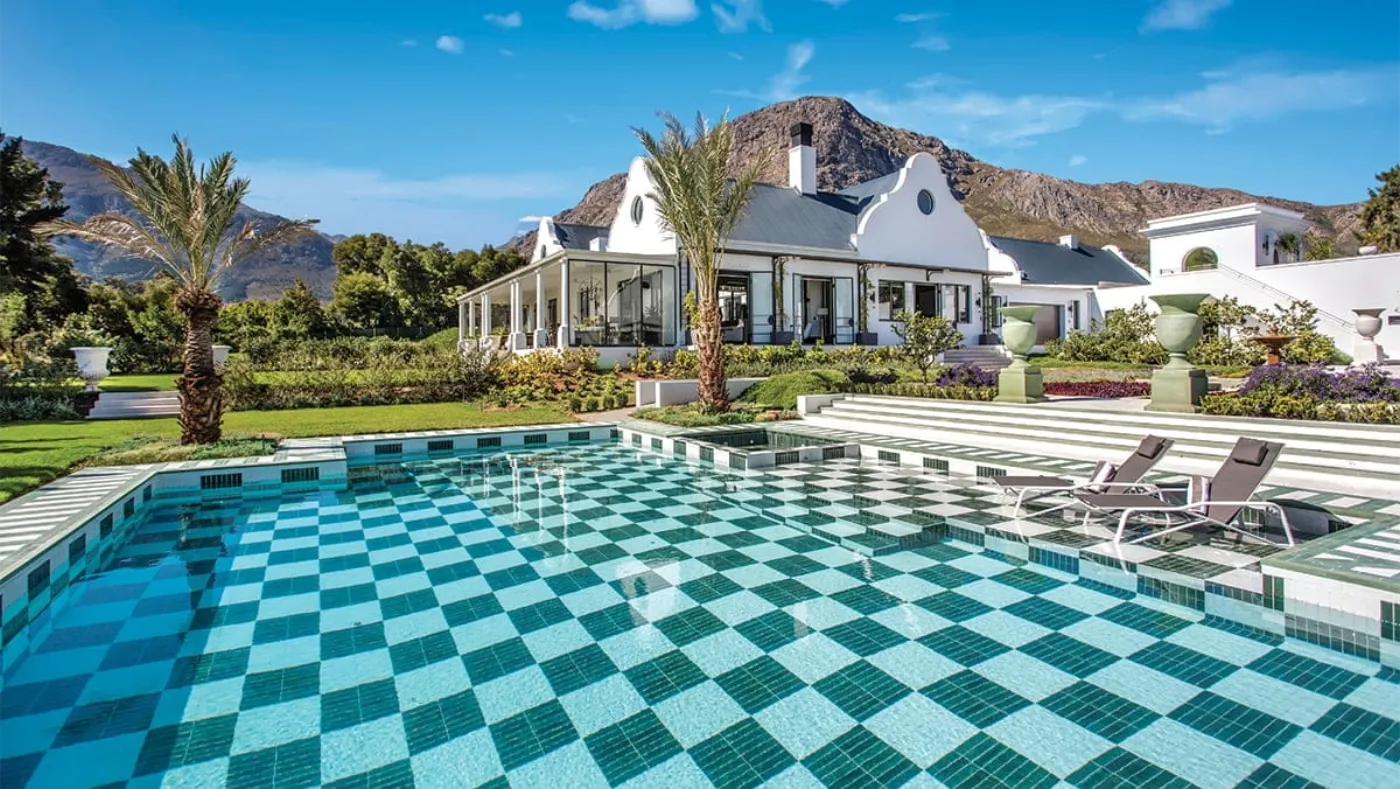
A mansion above the Atlantic with a South African art collection most galleries would envy. Small, unsigned, and an hour from the Winelands.
A Cape Dutch farm with a working garden that feeds both its restaurants. The reason to give the Winelands two nights rather than a day trip out of Cape Town.
One clear best window, and a green season worth understanding before you dismiss it.
| Window | What It’s For & What to Expect |
|---|---|
| May to June | The dry season settling in and the Delta flood arriving. Green enough to be beautiful, dry enough for the game to concentrate. Our own preference for a first trip. |
| July to September | Peak. Highest game density, the Delta at full flood, genuinely cold on a dawn drive, and the good camps booked a long way ahead. |
| October | Hottest, and for pure game viewing arguably the best. Water is scarce, so animals are predictable. It is properly hot by mid-afternoon. |
| November to March | Green season. Newborn game, migrant birds, dramatic skies, lower rates, some camps closed. Thick bush makes sightings harder, so it suits a second safari better than a first. |
| April | The shoulder nobody talks about. Rain easing, bush still green, rates still low, and the flood not yet arrived. |
Whether you work with us or not, these are worth asking before committing significant funds.
This separates two very different safaris at two very different prices. In Sabi Sand a vehicle may follow a leopard off the track. In Kruger it may not.
Two nights is one day of game viewing once arrival and departure are counted. Ask for three per camp, and be wary of an itinerary fitting five camps into ten nights.
Sabi Sand and the Okavango are. Madikwe, the Eastern Cape and the Cape are not. With young children this often decides the itinerary, so decide it first.
Fifteen kilograms per person in a soft bag, and yes. Ask whether any leg is lower, and whether anyone in the party is over a hundred kilograms, which can mean a second seat.
First-hand experience, or a trusted colleague’s direct experience, is the standard. Here it shows up in which side of camp gets the afternoon light and which guide to ask for.
May to October, and within that July to September is peak. The Okavango flood arrives between June and August, coinciding with the dry season everywhere else, so the Delta and the bush are at their best together. November to March is green season: lush, cheaper, harder for sightings.
The camps are small enough that one family can fill one, so peak dates go around a year ahead and exclusive-use houses go further. Green season is far more forgiving.
Very well, if the reserve is chosen for it. Madikwe and the Eastern Cape are malaria-free, and several lodges can be taken as an exclusive-use house with its own guides, chef and hosts, which changes the trip entirely with small children.
It moves more with camp choice than with length, because the range between a good camp and a great one is wide. Light-aircraft transfers are a real line item rather than a rounding error. We give you a straight figure for your own dates and camps before you commit.
In Botswana you fly, because the camps sit at the end of airstrips rather than roads. In South Africa some routes drive and some fly. Flying is usually the difference between arriving for the afternoon drive and arriving for dinner.
One of us personally owns your trip from the first conversation to the last night.
Tell us when you can travel and whether anyone in the party is under twelve. Both change the route more than you would expect.