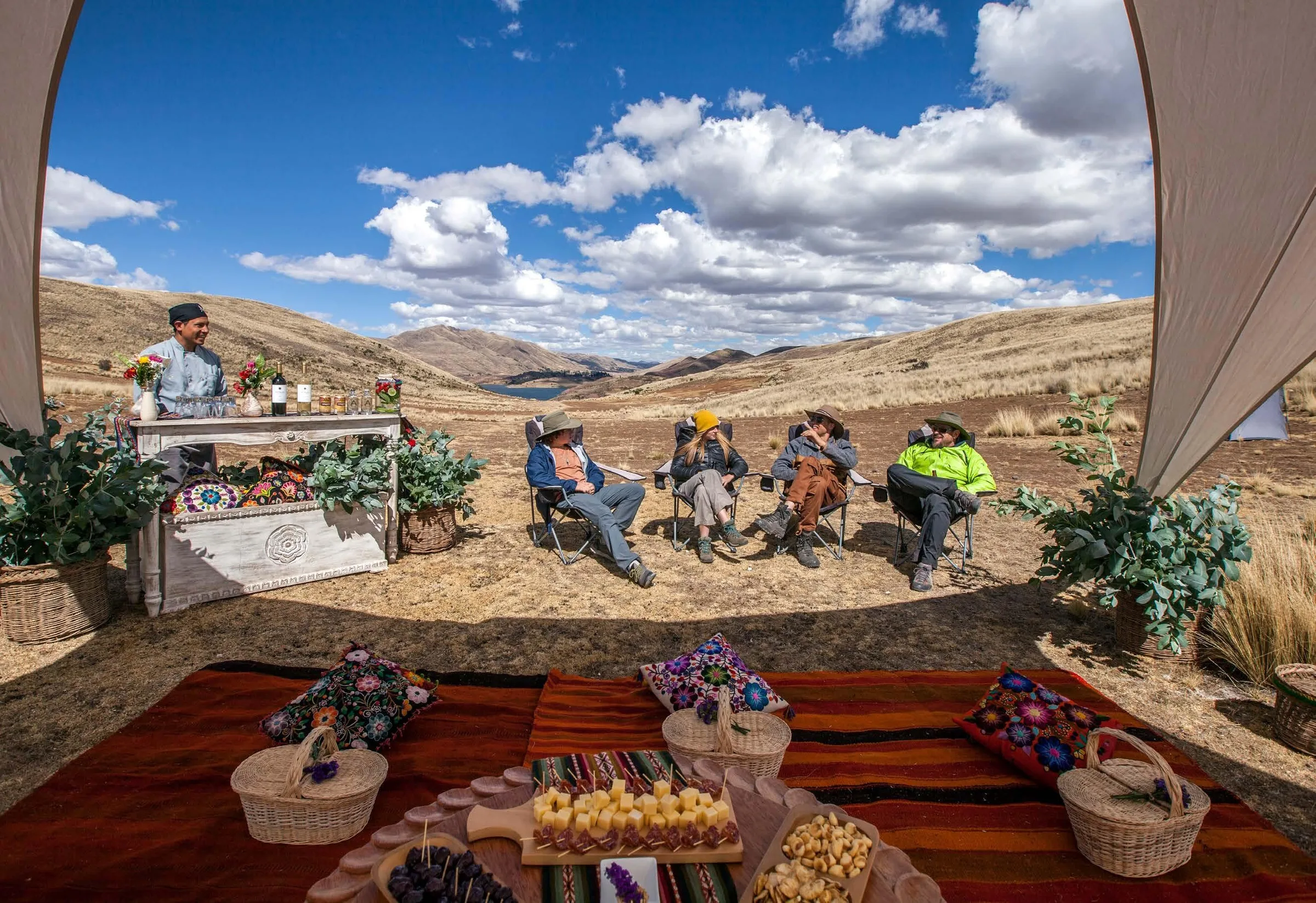
Sacred Valley
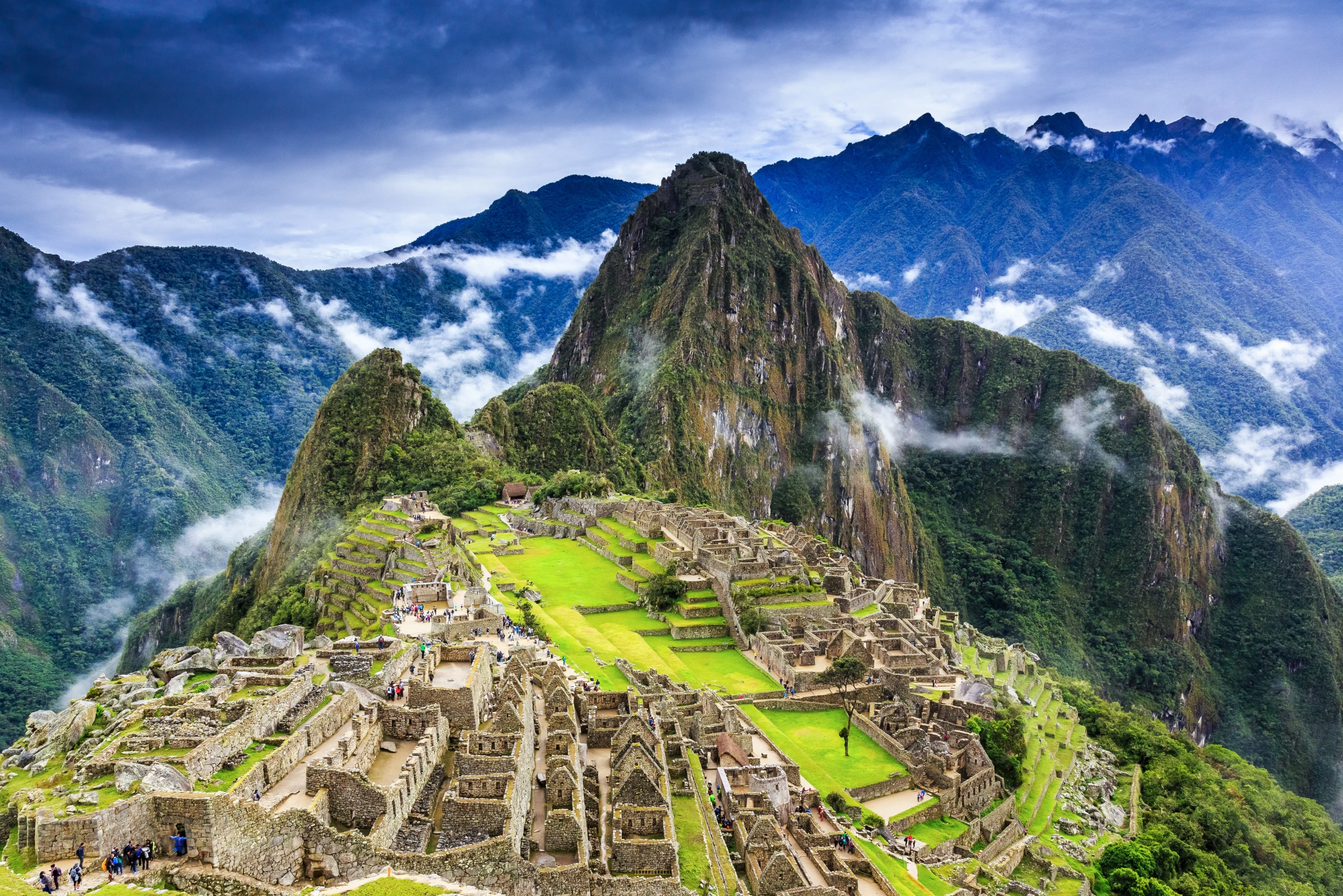
Destination
Peru
The famous part is one morning of it.
The famous part is one morning of it.
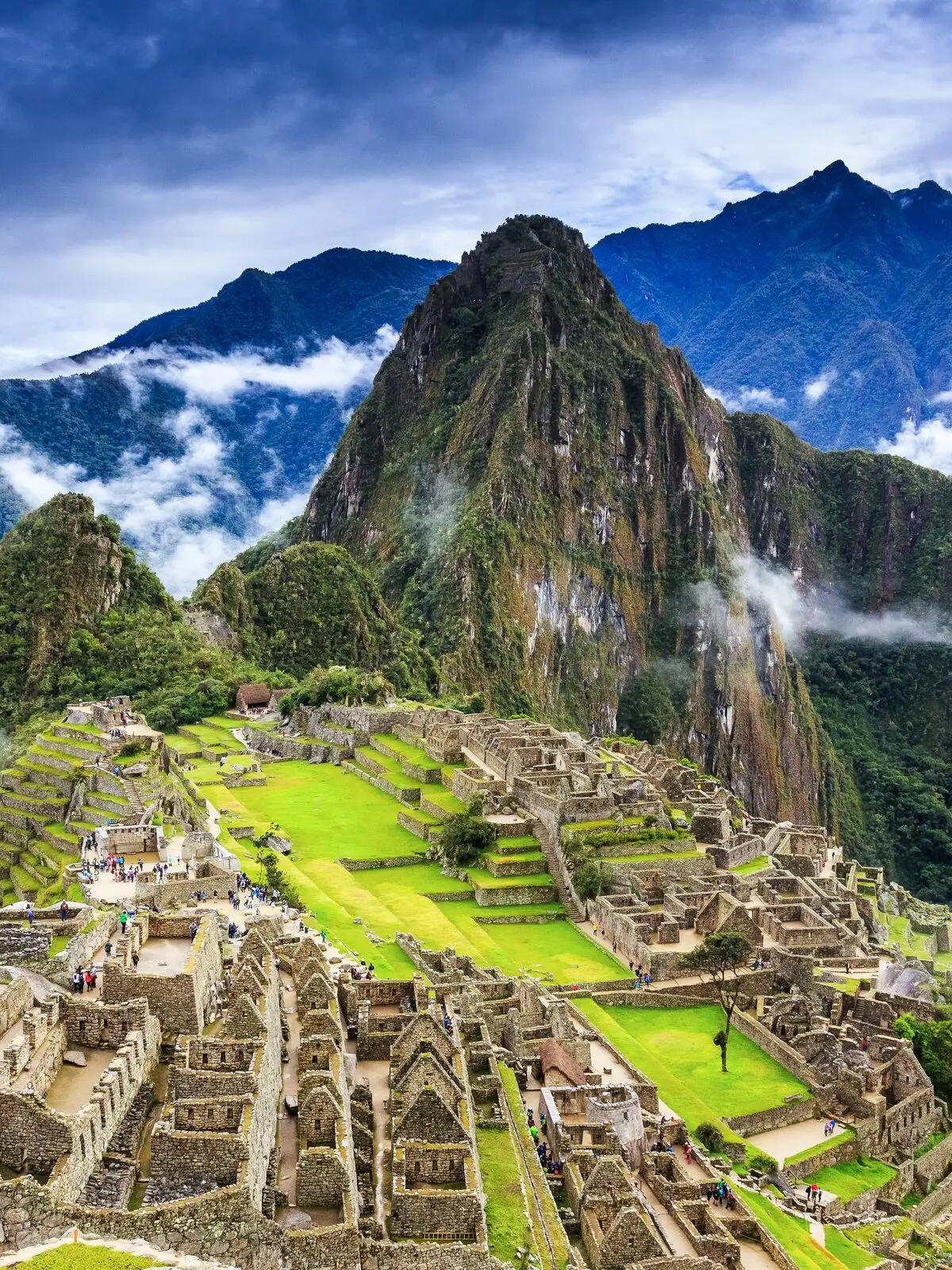
Machu Picchu takes a morning. The trip takes a week, and the week is where the country actually is.
The Sacred Valley sits below Cusco, which matters more than it sounds. It is lower, it is warmer, and it is where your body should spend its first nights. Pisac is down there, and the terraced bowls at Moray, and the salt pans at Maras. So are the weavers at Chinchero, working the way their families have for generations.
Above it, the Salkantay route climbs past a glacial lake to a pass most visitors never see, then drops onto the Inca Trail for the last stage into the citadel. You reach the Sun Gate on foot, having earned it.
Both versions are good. They are different weeks, and we build either one.
One passport, three checkpoints: Machu Picchu entry tickets and rail tickets are both issued against a passport number, and both are checked against the physical document on the day. Travel on a renewed passport and you can be turned away at the platform or the gate. We record the details at booking and flag any renewal that falls between booking and departure.
Three environments at three different elevations, sequenced so your body has time to catch up with your itinerary.
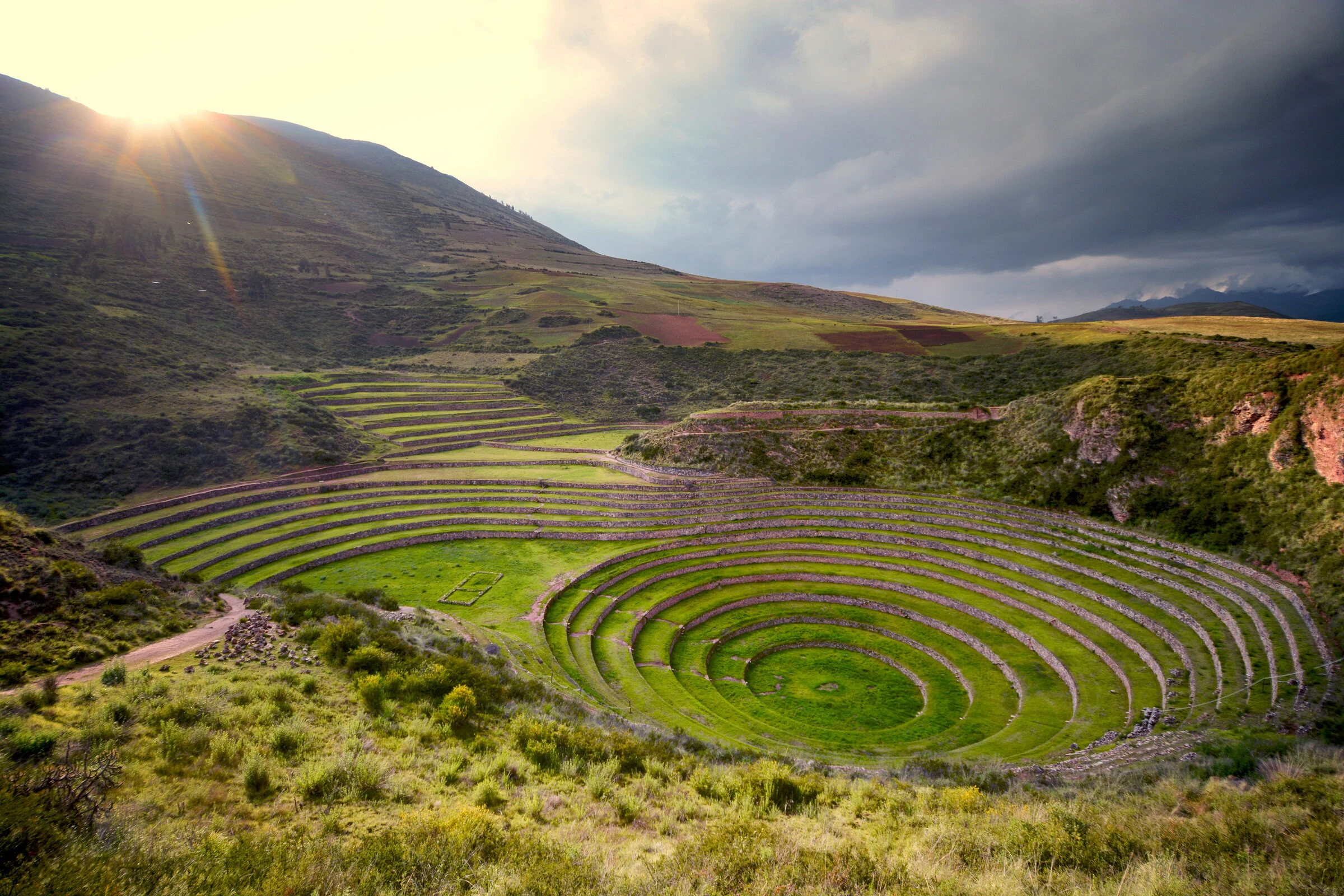
Pisac, the terraced bowls at Moray, and the salt pans at Maras. Lower and warmer than Cusco, which makes it the right place to land. Private visits to sites the buses skip, and afternoons with the weavers at Chinchero.
The Salkantay route past Humantay’s glacial lake, or the classic Inca Trail. Either way the final stage is on foot, and you arrive through the Sun Gate rather than stepping off a bus.
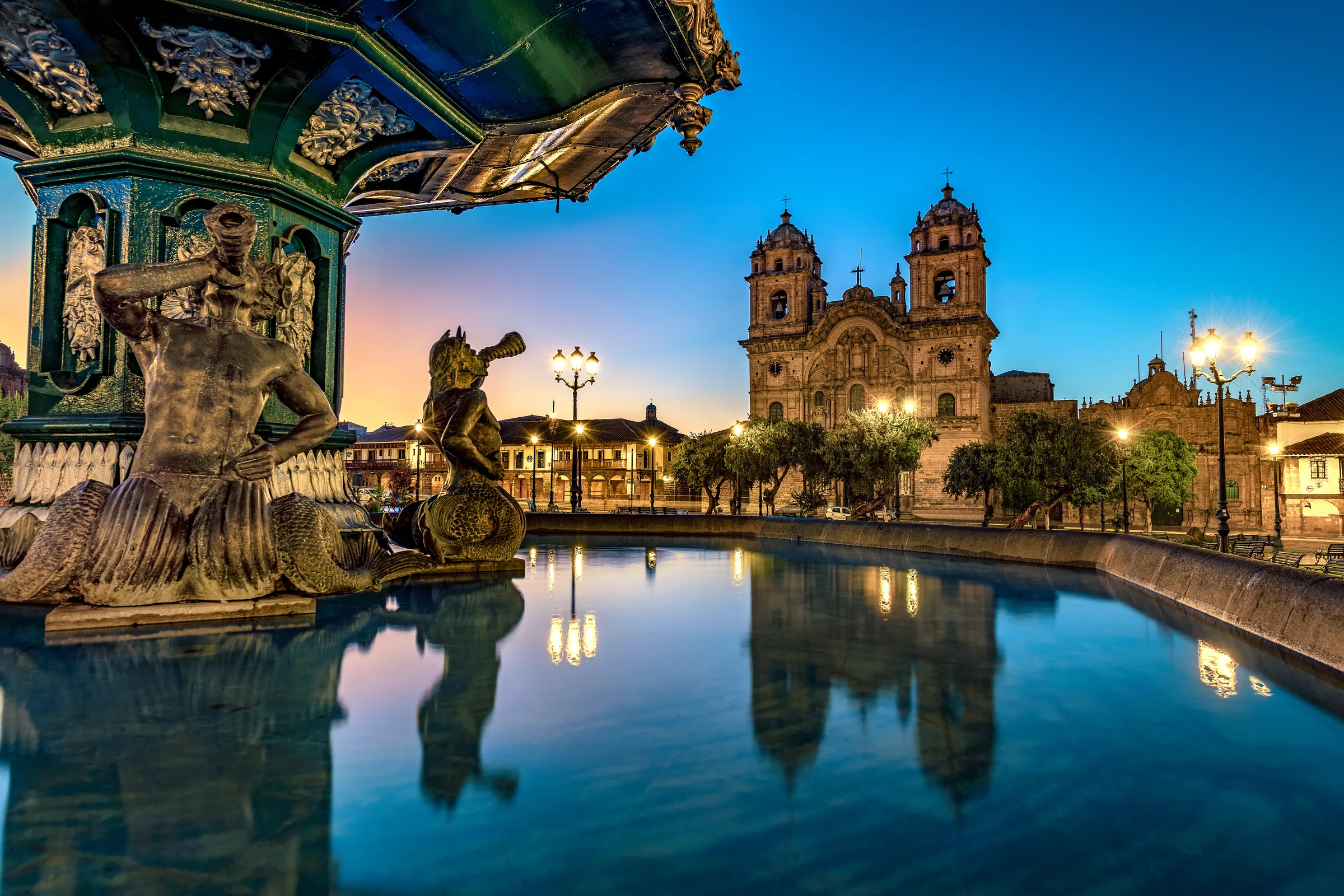
Inca foundations with colonial buildings set directly on top of them, still visible on most streets. Best kept for the end of a trip, when the altitude has stopped being an event.
Permits, altitude and ticketing rules decide more about a Peru trip than anything you will find in a brochure.
Five hundred Inca Trail permits are issued per day, but that count includes guides, porters and cooks. Only about two hundred are for travelers. Peak-season dates typically go four to six months ahead, so the trek date comes first and the itinerary is built around it.
Annual maintenance closes the Inca Trail for the whole month, reopening on the first of March. If February is your only window, it is a different trip built on a different route.
Machu Picchu is sold by circuit and route, ten of them, with hourly entry windows and no roaming between them. Which ticket you hold decides whether you see the Sun Gate at all, and arriving outside your window means being turned away.
Cusco sits at 11,152 feet, well inside the range where altitude sickness begins. The Sacred Valley runs up to two thousand feet lower. Fit people get sick too, which is why the order of your nights matters more than your conditioning.
Go down to the valley first and sleep two nights lower before you go back up. It costs you nothing in itinerary terms and it is the single most common way people lose two or three days of a trip they waited years to take.
Roughly eight hours on the road, leaving before sunrise and back after dark, for a couple of hours at the site. You arrive with the biggest crowd of the day and leave before the light is worth anything.
Each one becomes a rushed half day and the week becomes transit. Pick one extension, give it the nights it deserves, and leave the rest for the next trip.
If the Inca Trail matters to you, that date is the fixed point. Choosing hotels and flights first and then discovering the trek is full is a needless way to start.
The trail is closed all month and it is the wettest part of the year. Go in April instead and get the valley at its greenest with the skies already clearing.
Private itineraries combining Sacred Valley lodges, high-altitude trekking, and the rail line into Machu Picchu.
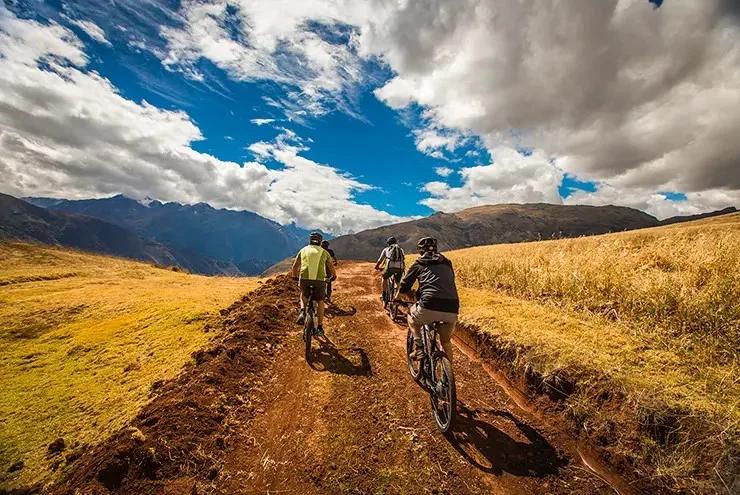
Field notes and lodge spotlights from our time in the Andes.
A few examples of what we mean. Where you sleep affects how the altitude treats you, which is why properties and routing tend to get discussed together.
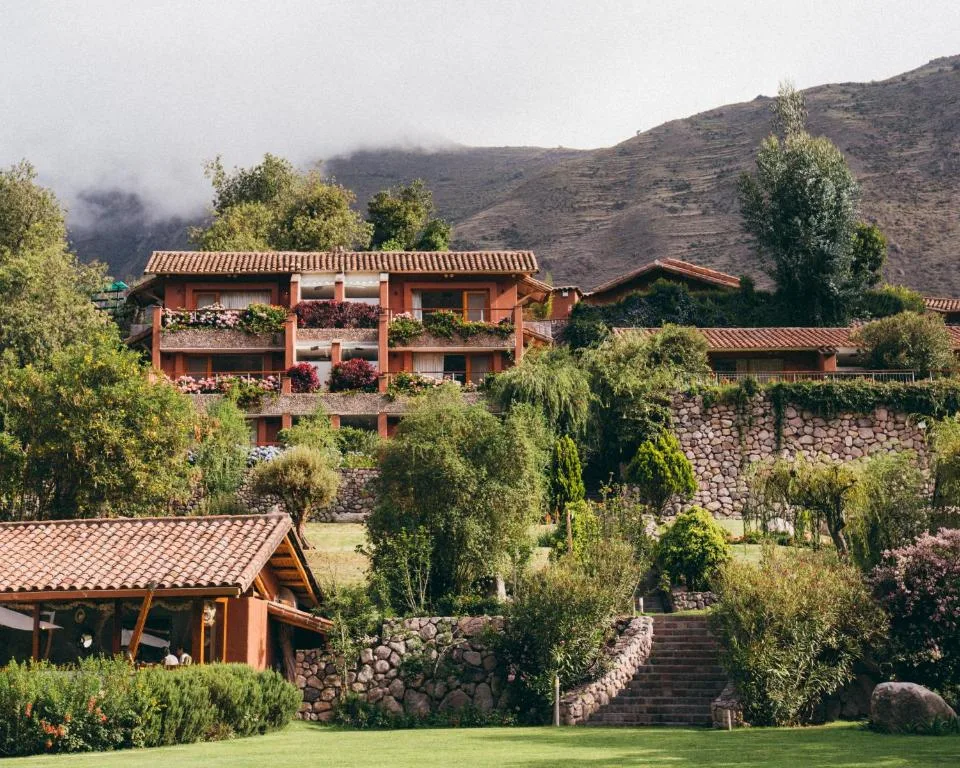
On the river in the Sacred Valley, with alpacas grazing the lawn and a spa drawing on Incan ritual. Low enough in the valley to be the right first night after you land.
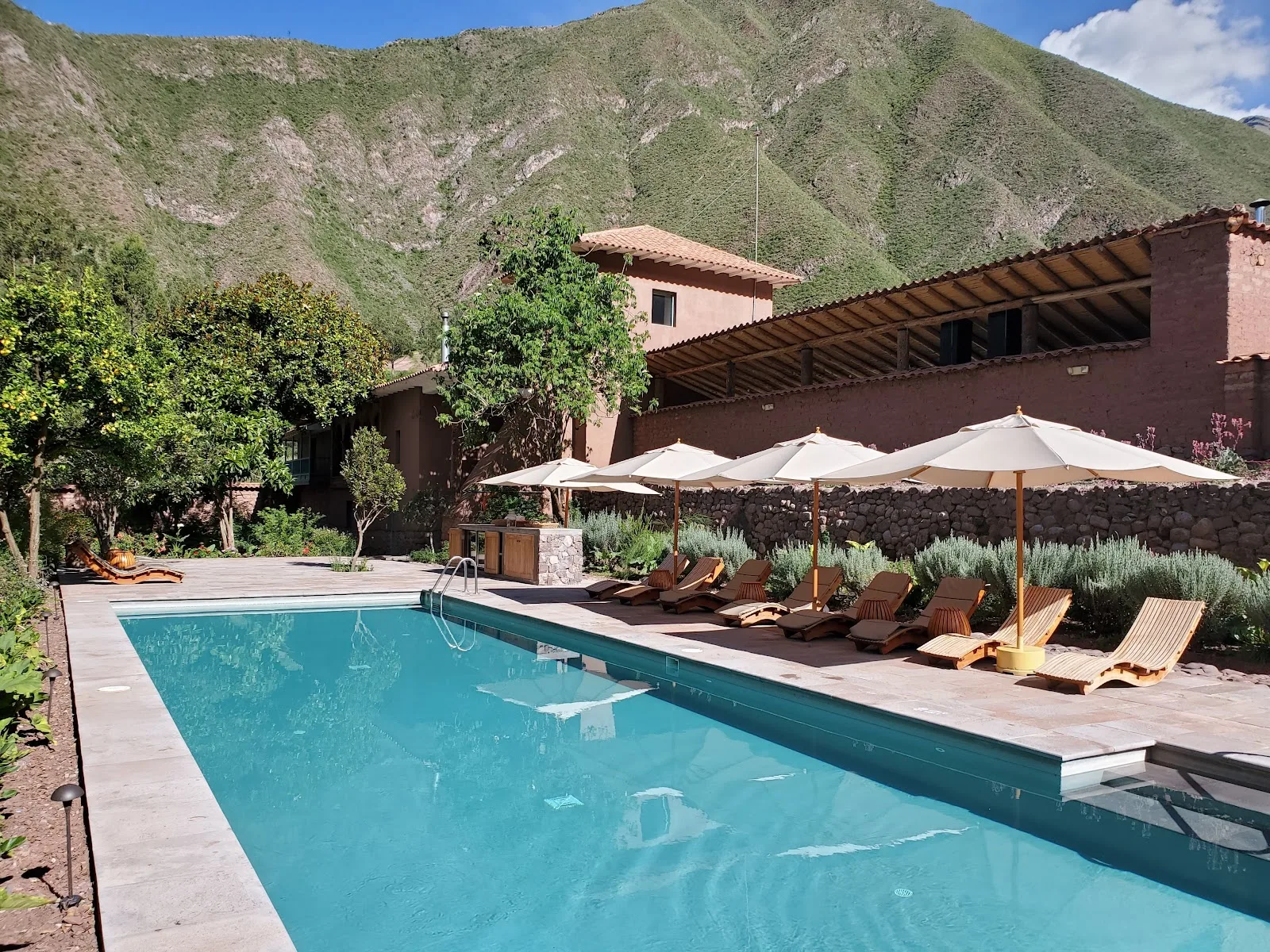
A contemporary lodge built around private guided exploration rather than a fixed program, and all-inclusive. Suits travelers who want to be out every day.
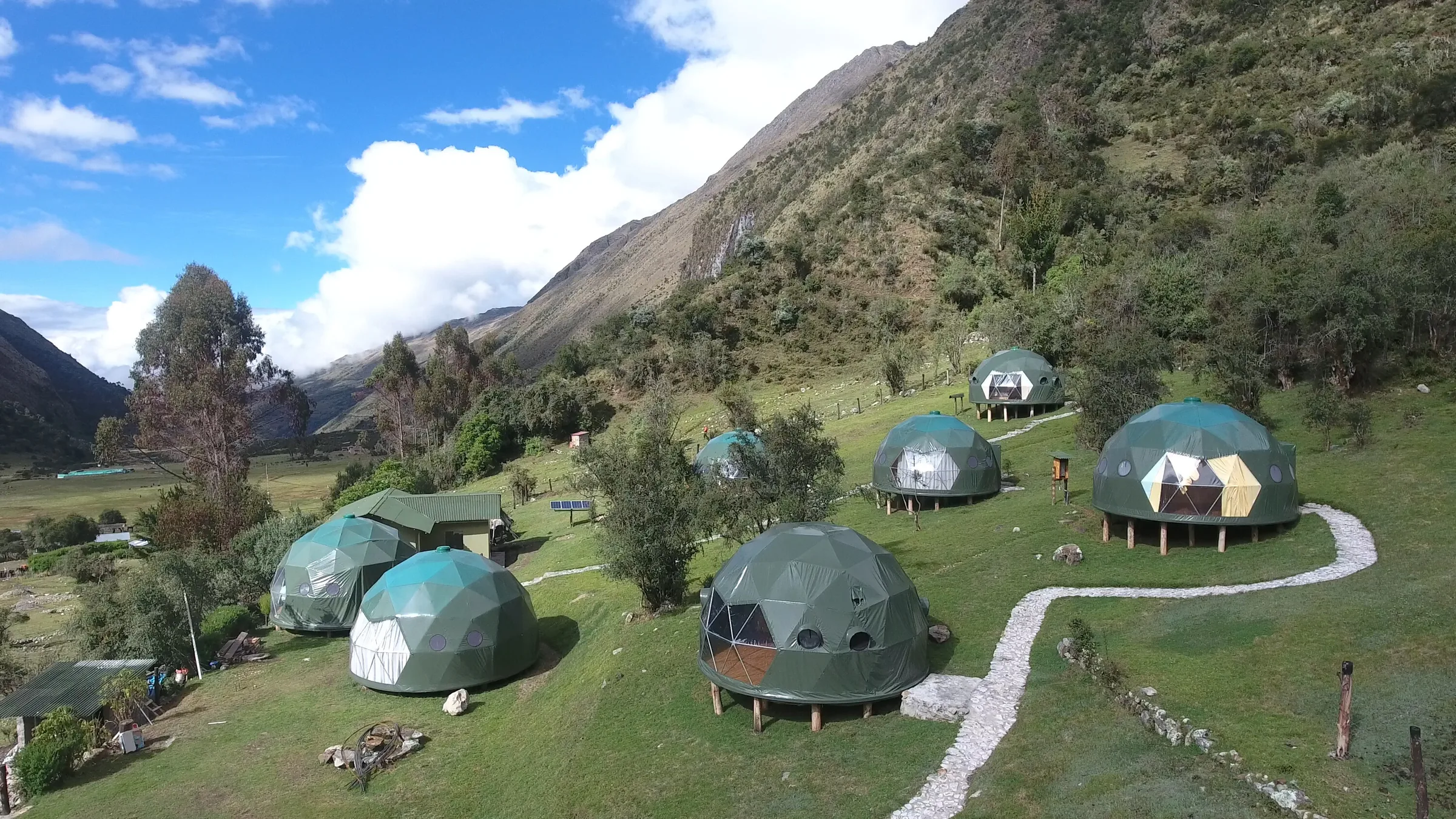
Heated geodesic domes with proper beds, set beneath the mountain on the trekking route past Humantay lake. Comfortable at altitude in a way tents are not.
A small hotel inside the old center rather than a large one outside it. Kept for the end of the trip, once the altitude has stopped being an event.
April to October is the dry season. Inside it, the trade-off is weather against crowds.
| Window | What It’s For & What to Expect |
|---|---|
| April to May | Green after the rains, skies clearing, fewer people on the trail. Arguably the best of it. |
| June to August | Driest and clearest, and the busiest. Permits go earliest, and nights are cold at altitude. |
| September to October | The other shoulder. Dry, quieter, comfortable, with permits easier to secure. |
| November to March | Rainy season. Lower rates and a greener valley, with less reliable trekking. |
| February | Inca Trail closed all month for maintenance. Alternative routes only. |
Whether you work with us or not, these are worth asking before committing significant funds.
There is a large difference between a confirmed permit and an intention to obtain one. Ask which it is, and ask for the permit numbers once issued.
A specific answer is the only acceptable one. Circuit and hour are printed on the ticket and determine what you will actually see, including whether the Sun Gate is included.
You want to hear the Sacred Valley before Cusco, with specific elevations attached. If the plan puts you highest on night one, ask why.
First-hand experience, or a trusted colleague’s direct experience, is the standard. “I’ve heard great things” is not sufficient.
High-altitude trekking is excluded from many standard policies. You need coverage that specifically includes altitude, emergency evacuation, trip interruption, and supplier default. Credit card benefits are not sufficient.
April to October gives the clearest skies and the most reliable trekking. April to May and September to October are the shoulder months, dry but quieter. June to August is driest and busiest, and cold at night at altitude. November to March is the rainy season.
If the Inca Trail matters, the permit sets the date. Only about two hundred of the five hundred daily permits go to travelers, and peak-season dates typically go four to six months ahead. Shoulder months move six to twelve weeks out. Machu Picchu entry tickets are also capped by circuit and hour.
Yes, with altitude-aware pacing. The Sacred Valley sits lower than Cusco and makes a far better base for families. Days can be built around salt terraces, weaving workshops, rafting and short walks rather than sustained trekking.
Our published Peru Ecocamp Salkantay and Inca Trail journey runs eight days, and its current per-person price is on the journey card. A fuller private itinerary with Sacred Valley lodges, rail to Machu Picchu and Cusco nights varies with property choice and party size. We give you a straight number before you commit to anything.
It depends on the version. The Salkantay route and the Inca Trail involve sustained days at altitude. A Sacred Valley and Machu Picchu trip by rail asks very little beyond walking a site. Altitude affects everyone regardless of fitness, which is why the order of your nights matters more than your conditioning.
One of us personally owns your trip from the first conversation to the last night.
Tell us which week you have and what you want out of it, and we will tell you honestly what is still available and what it will take.