Boutique Cruising
Destination
The Arctic
One season with no night. One with no day.
One season with no night. One with no day.
In Svalbard the sun does not set from April to August, and it does not rise at all from the middle of November until the end of January.
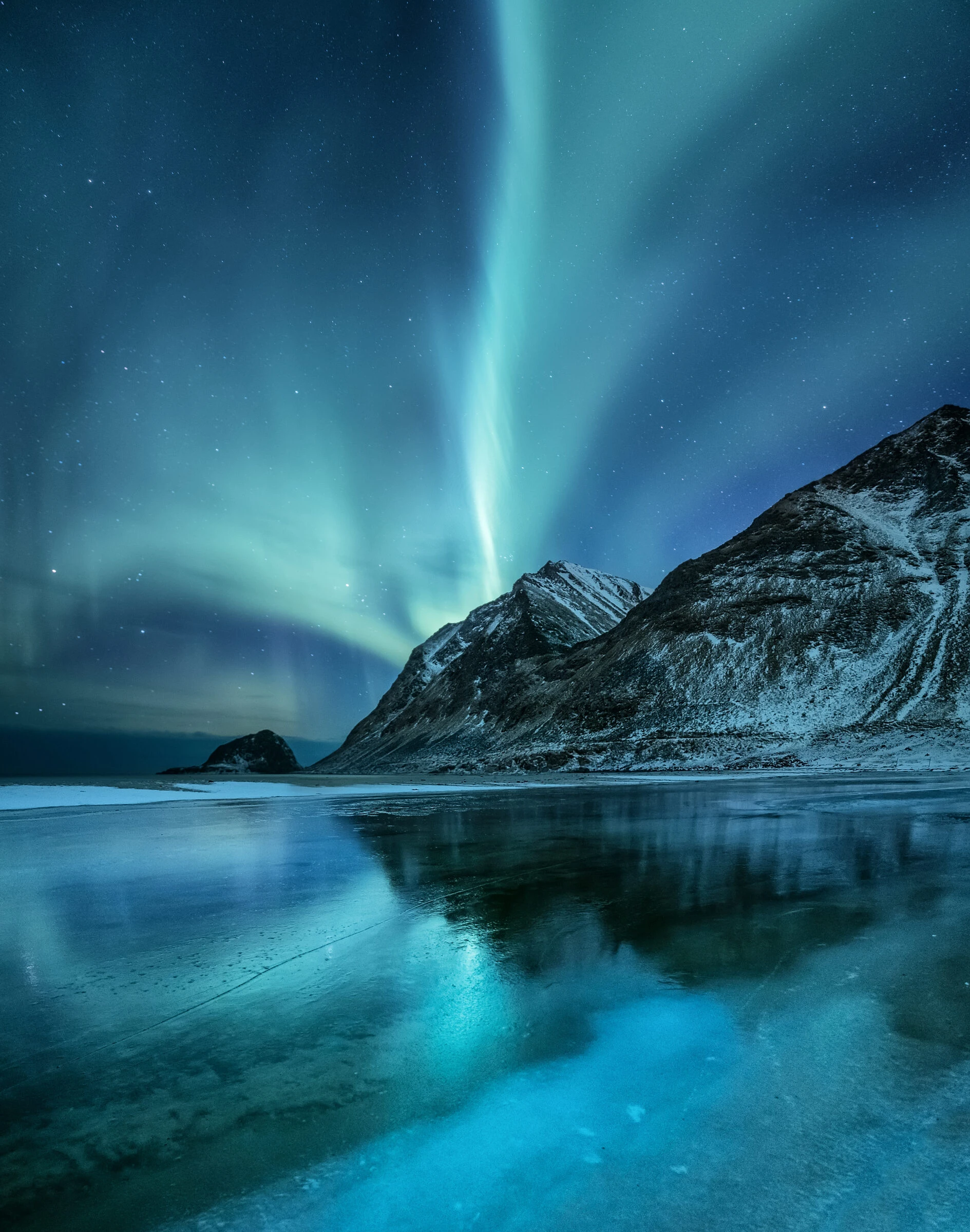
Those are two different destinations wearing one name. The summer Arctic is ships, ice and wildlife under light that never quite goes. The winter Arctic is Tromsø and Lofoten sitting directly beneath the auroral oval, with the whole point being the dark.
And it has just become considerably easier to reach. Nuuk’s new international airport opened in November 2024 with a runway long enough for jets, and United began flying Newark to Nuuk in June 2025, the first scheduled service between the United States and Greenland since 2007.
A part of the world that used to take three connections now takes one.
In Svalbard the rules are literal: under the Svalbard Environmental Protection Act you cannot leave the settlement without polar bear protection, which in practice means a guide carrying a rifle of at least .308 calibre. There is a marked zone around Longyearbyen where it is not required. Every excursion outside it is arranged and guided, and it is not the kind of place to improvise a walk after breakfast.
Three parts of the far north, reached three different ways, and best in three different months.
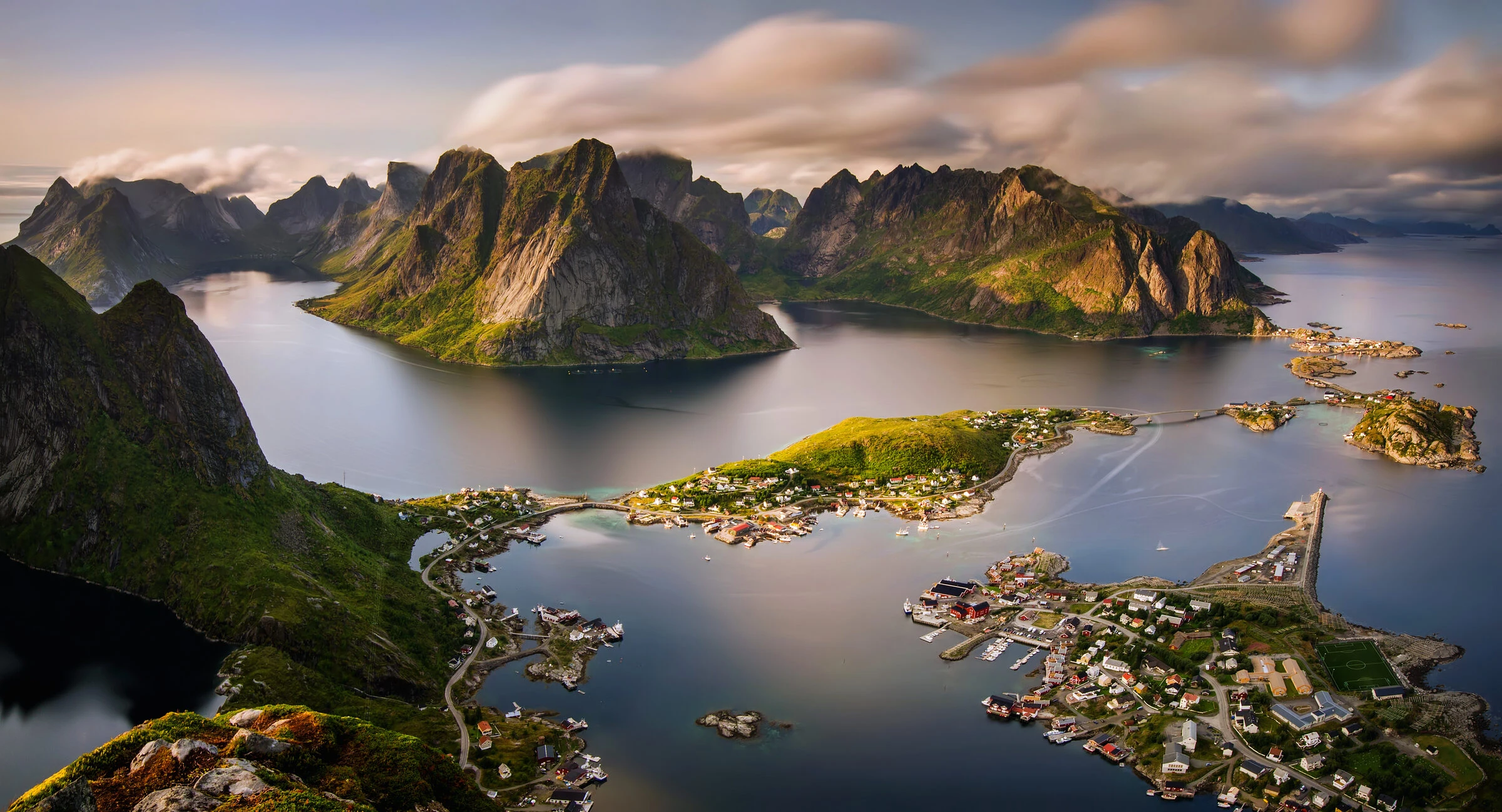
Lofoten and Tromsø, both well above the Arctic Circle and both sitting under the auroral oval, which gives Tromsø some of the highest aurora odds anywhere on earth. Fishing villages, whale watching off Vesterålen, and comfortable lodges to come back to.
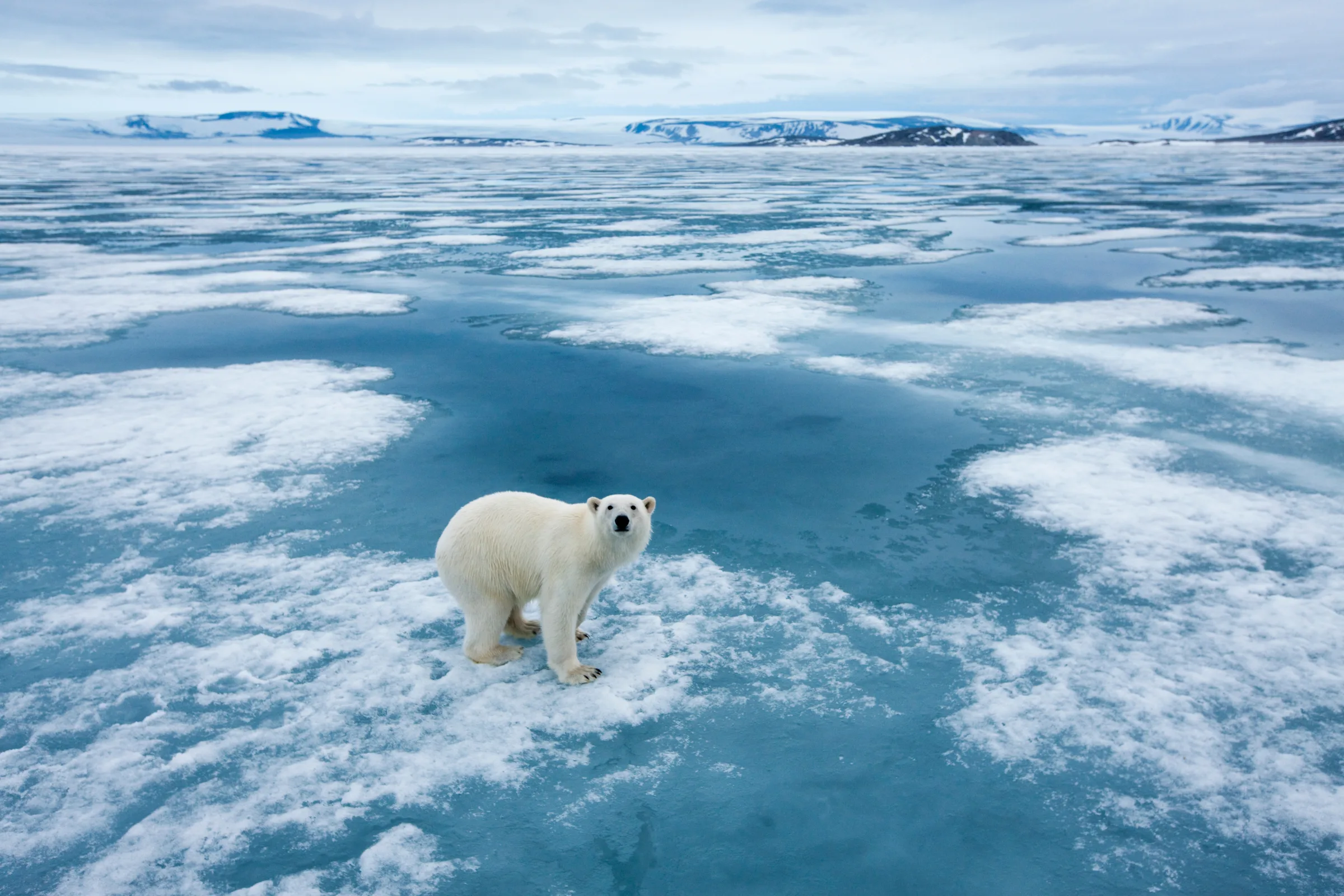
The high Arctic proper, at seventy-eight degrees north, and the most reliable place in the world to see polar bears from a ship. Pack ice in May and June, fjords opening through July and August, and tundra in bloom before the light goes.
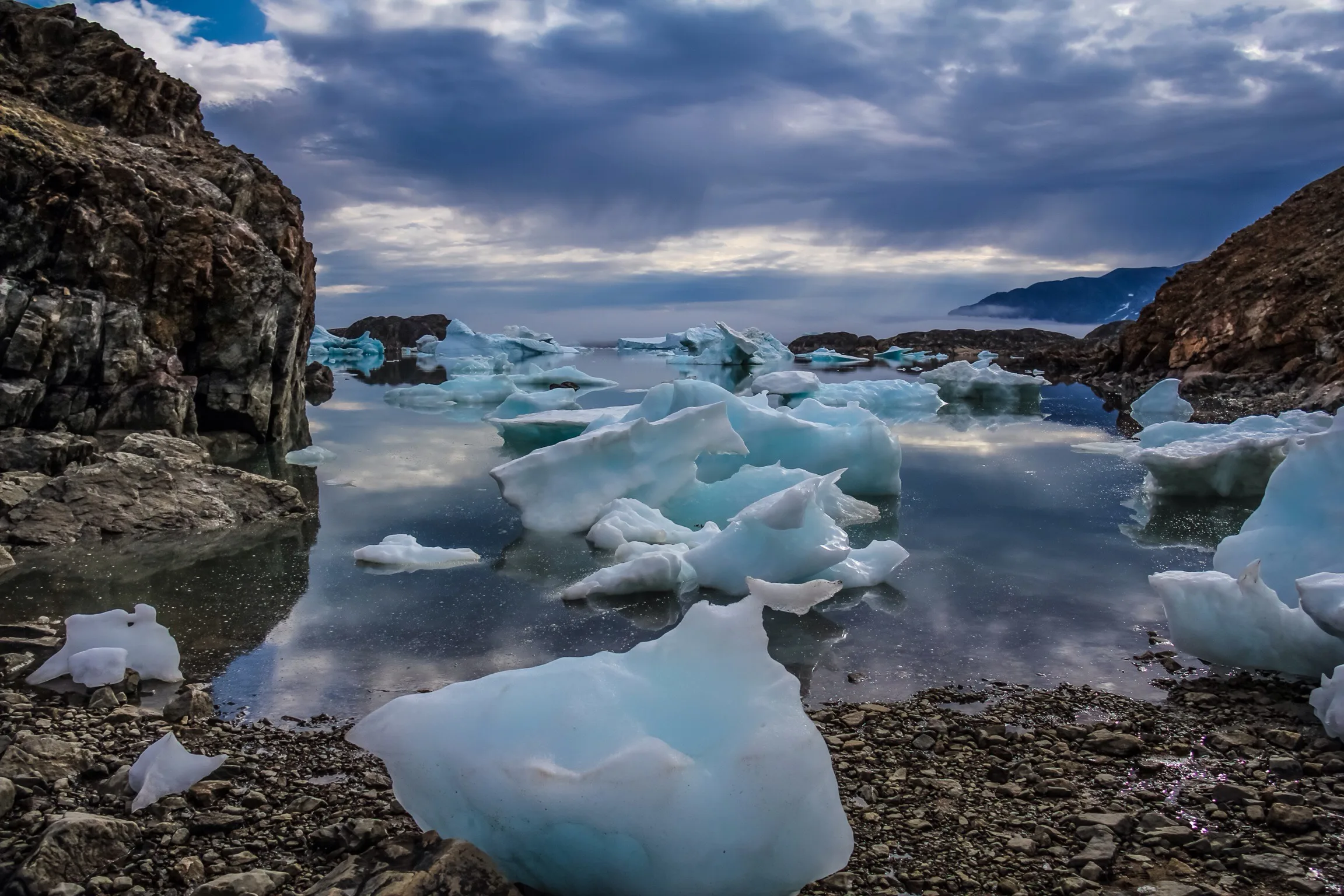
Ice fjords, Inuit settlements and a coastline most people have only seen from an aircraft window. Newly reachable: Nuuk took its first jets in late 2024, Qaqortoq opened in April 2026, and Ilulissat follows.
Stories from the Postcards journal on the far north, for the planning stage and the daydreaming stage.
The Arctic is the one destination where the calendar decides almost everything before you have chosen anything.
Polar bears and pack ice want May to September. The northern lights want late August to early April. There is no month that gives you both properly, and choosing badly means arriving for the wrong one.
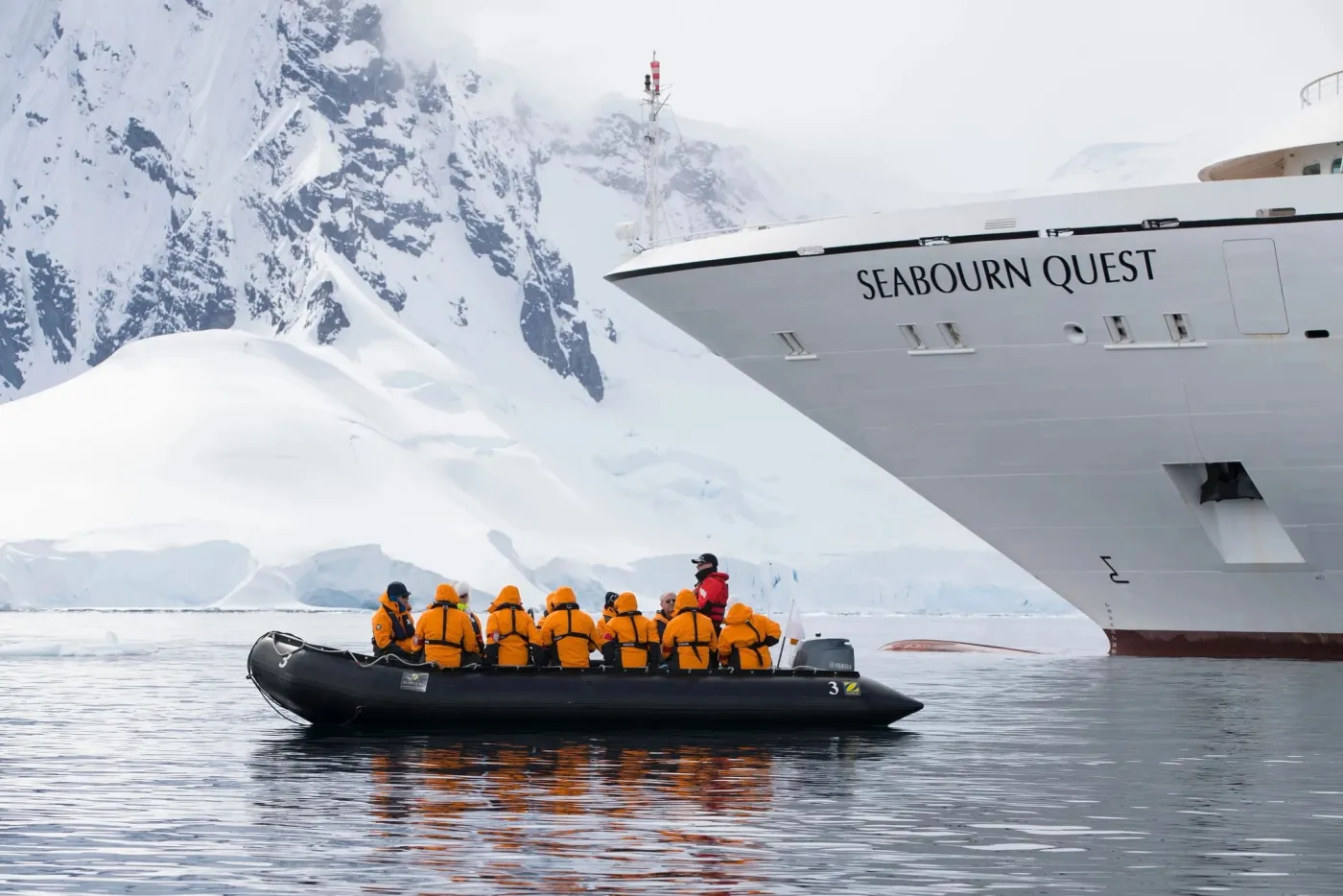
In Svalbard and Greenland the vessel decides where you can land, how close you get and how many people are ahead of you in the Zodiac queue. Ice conditions rewrite routes daily, so the operator’s judgment matters more than the printed plan.
Nuuk opened a 2,200-meter runway in late 2024, United began Newark service in June 2025, Qaqortoq opened in April 2026, and Ilulissat follows. Capacity on the ground has not caught up with the new access, which is the definition of a place to visit sooner rather than later.
Svalbard requires polar bear protection outside the settlements. Landing sites are managed, group sizes are capped, and wildlife distances are set. None of it is negotiable, and all of it is why the wildlife behaves the way it does.
Between April and August the sun does not set in Svalbard. There is no darkness to see them in, at any level of solar activity. Come in summer for the ice and the bears, and come back in winter for the sky.
Landing sites are managed and capped, so a bigger vessel means fewer landings, longer waits and more time looking at the same view from the rail. Under a hundred guests is where this destination works.
It is weather plus solar activity plus luck, and the only lever you control is the number of chances. Four or five dark evenings in the right months is a real attempt.
The new access is real and the country is enormous. Ilulissat and the ice fjord are the reason to go, and they are not a stopover. Give it its own week.
Arctic flights and landings are canceled by fog, ice and wind, none of them unusual. If the schedule is tight all the way to the flight home, the first bad morning takes the rest with it.
Examples rather than a fixed list. In the Arctic the vessel is most of the trip, so this is where the decision actually gets made.
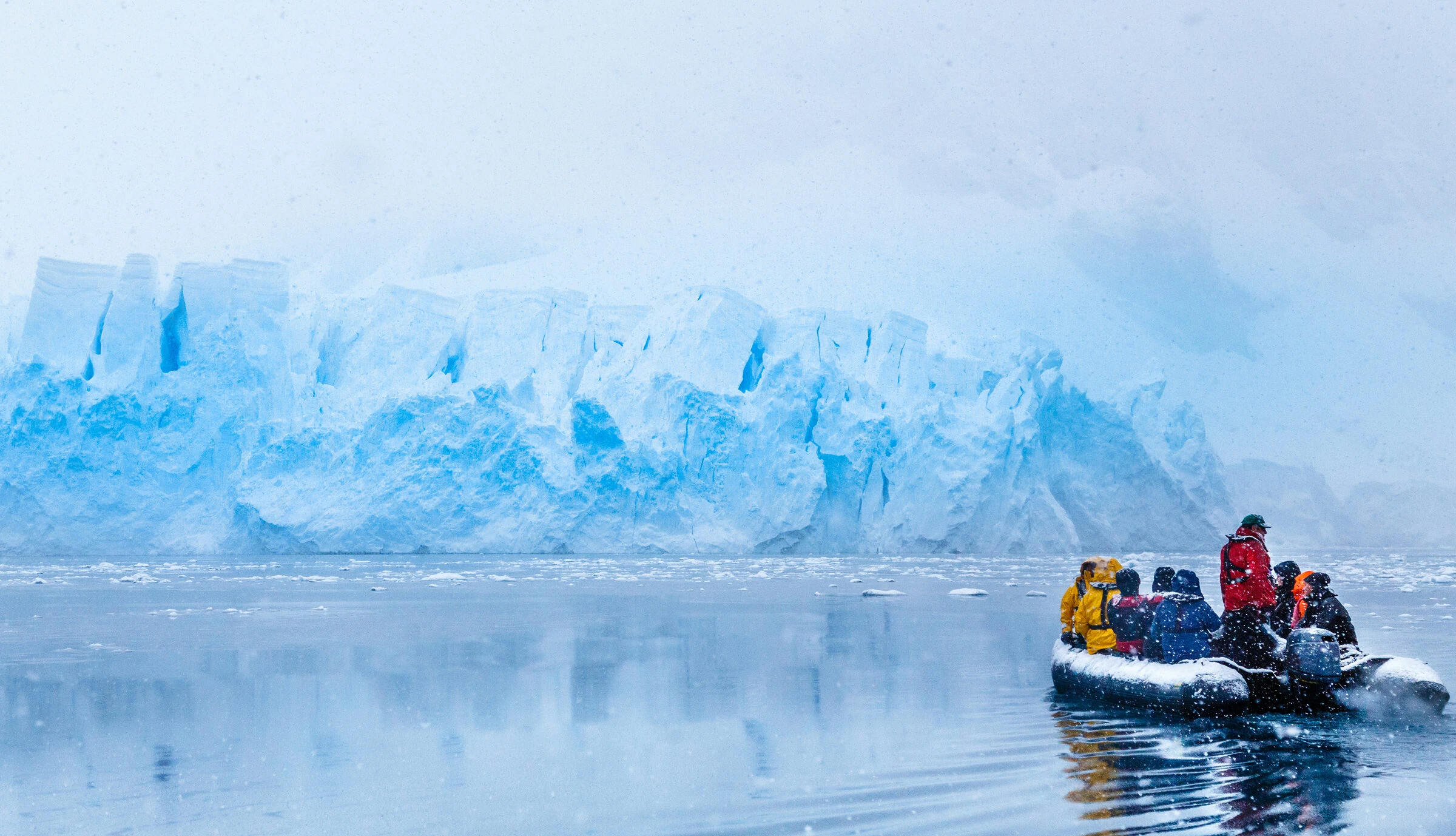
French-flagged expedition vessels with an ice-class fleet and a design sensibility that is unusual in polar travel. Strong on Greenland, and comfortable in a way that suits travelers new to expedition cruising.
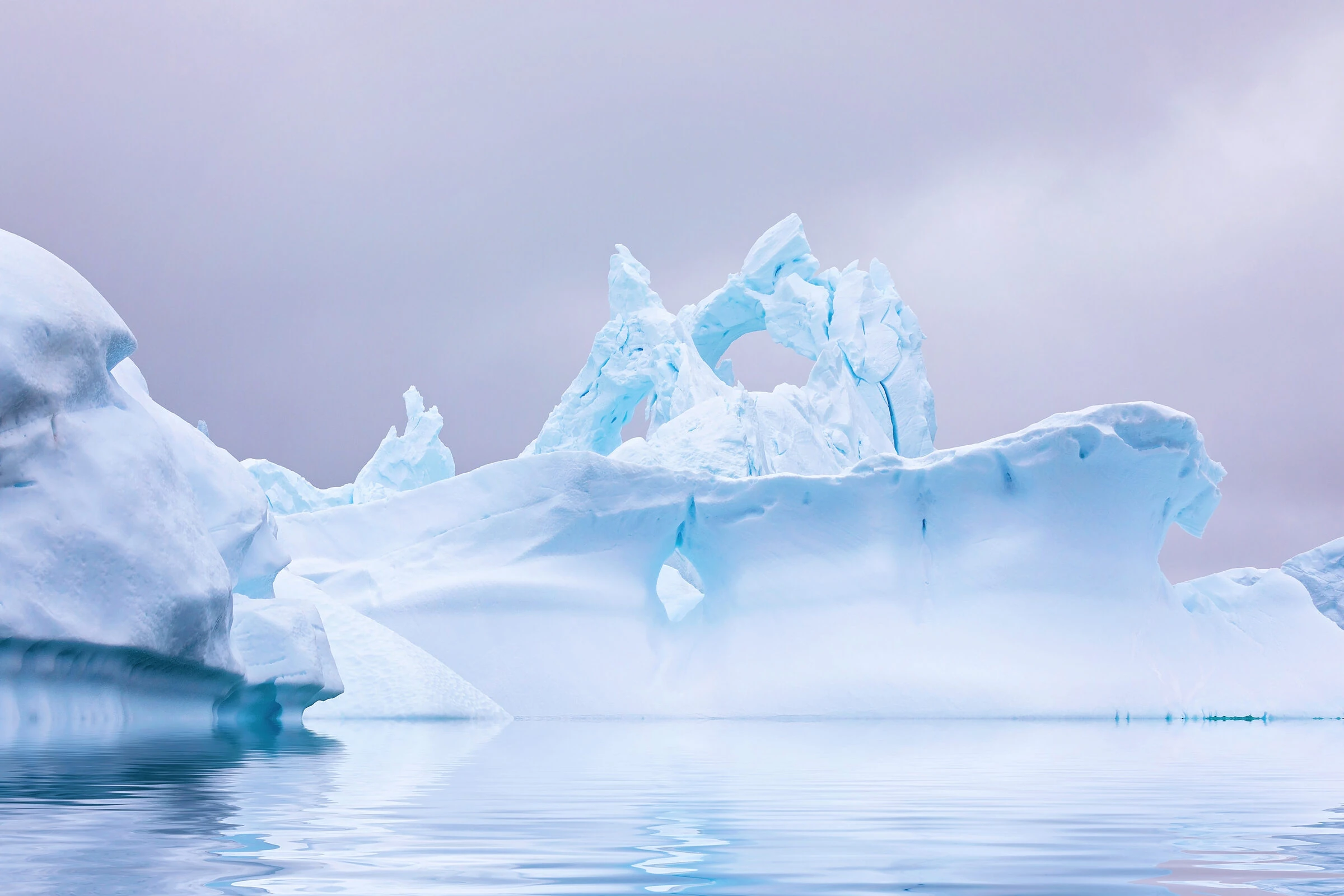
All-suite ships with butler service and a serious expedition team behind the comfort. The option for travelers who want the ice without giving up the standard of everything else.
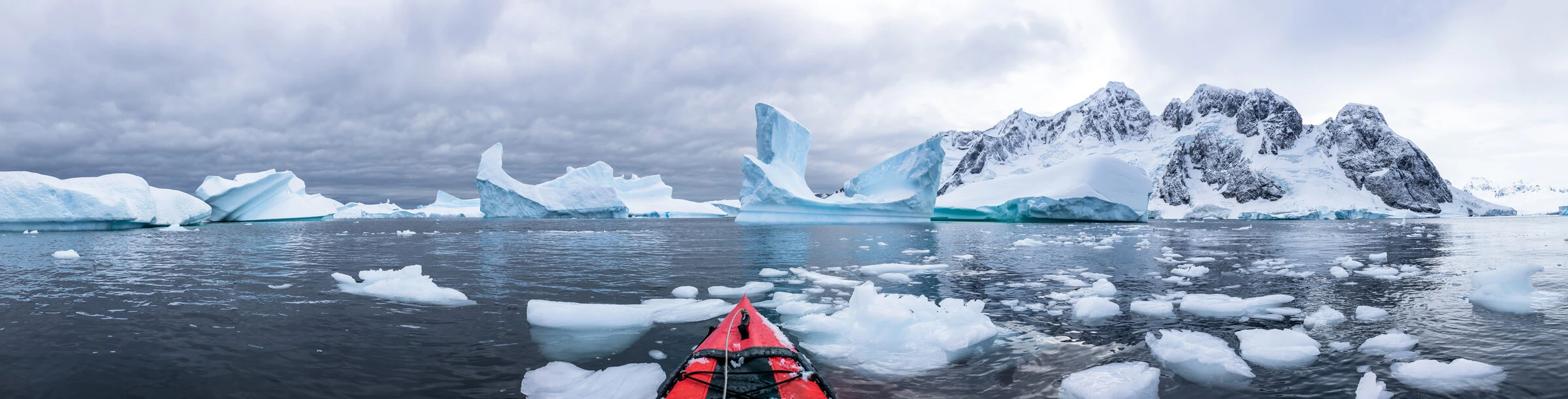
The National Geographic partnership, and the strongest onboard science and photography programs in polar travel. If you want the trip explained as well as shown, this is the one.
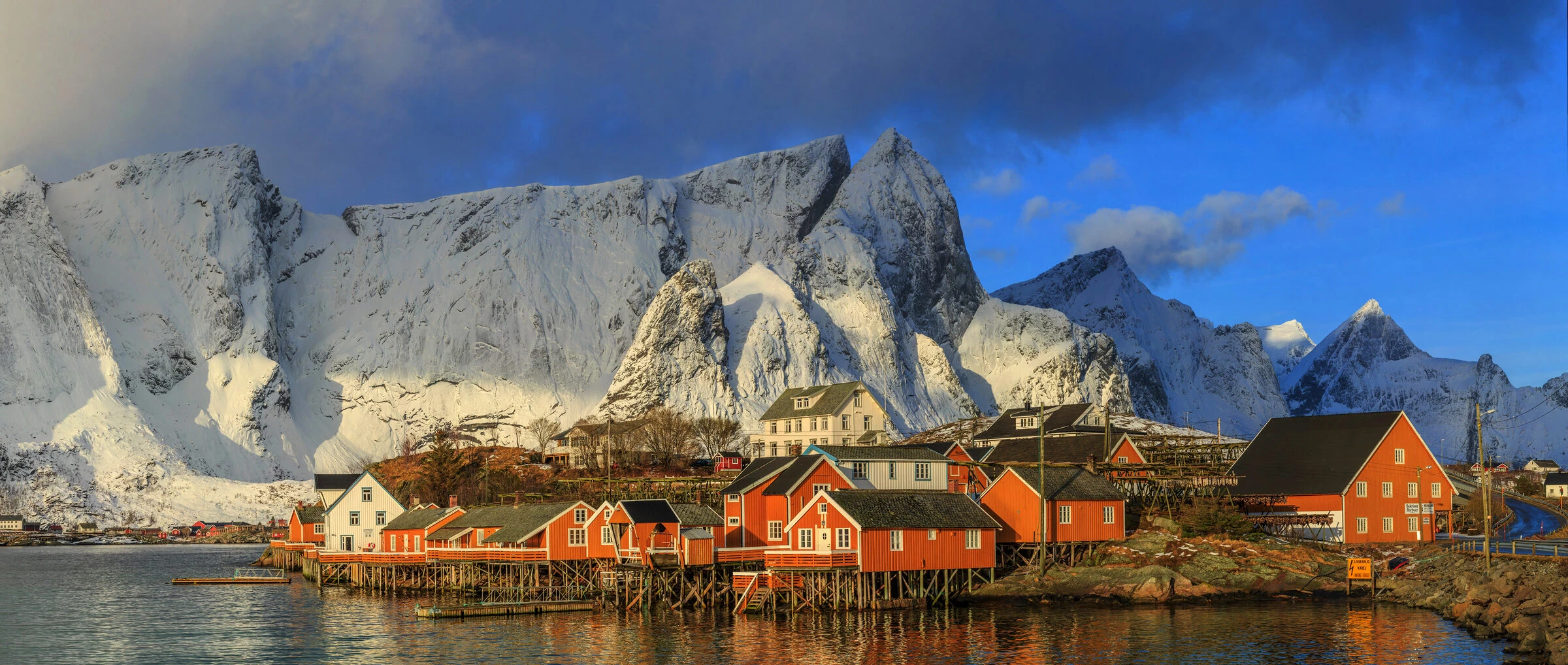
Restored fishermen’s cabins on the Lofoten waterfront and small lodges outside Tromsø, chosen for how dark it gets outside the window. The aurora version of this trip, with a fire and a proper dinner at the end of it.
Two calendars, running in opposite directions. The month you pick decides which Arctic you get.
| Window | What It’s For & What to Expect |
|---|---|
| May and June | Pack ice still holding, snow on the landscape, and bears out after winter. The pioneering end of the season, and the best of it for photographers. |
| June and July | Midnight sun. In Svalbard the sun does not set at all from April through August. Long landing days and no darkness whatsoever. |
| July and August | Ice breaks up, circumnavigations become possible, fjords open, and the tundra blooms. The strongest all-round window for wildlife. |
| September and October | The aurora season opens with high geomagnetic activity, increasing darkness and relatively mild weather. Arguably the best value in the north. |
| November to February | The longest nights and the highest aurora probability. Svalbard sits in true polar night from mid-November to the end of January. |
| March | Clearer skies after the midwinter storms with nights still long enough. The quiet favorite among aurora regulars. |
Whether you work with us or not, these are worth asking before committing significant funds.
Landing sites are managed and capped. The ratio of guests to Zodiacs determines how much time you spend ashore rather than waiting your turn, and it is the number that separates a good polar voyage from an expensive one.
It decides where the ship can actually go in May and June, when the pack ice is still holding and the bears are on it. A vessel without the rating will be looking at the ice edge from a distance.
It will happen at some point. The answer should describe how the expedition team re-plans, not reassure you that the itinerary is fixed. In the Arctic a fixed itinerary is a warning sign.
Not nights, evenings, and not in a lit town. Ask how many are somewhere dark enough to matter and what the plan is if the cloud sits in for two of them.
First-hand experience, or a trusted colleague’s direct experience, is the standard. In polar travel it shows up in the expedition team’s quality, which is invisible in a brochure and obvious by day two.
There are two answers because there are two trips. For expedition cruising and wildlife, May to September, with June and July under the midnight sun and June to August the strongest window for polar bears in Svalbard. For the northern lights, late August to early April, with November to February giving the longest nights and September, October and March offering the best balance of darkness and settled weather.
Expedition vessels are small and the season is short, so twelve months is normal for a specific ship and cabin on a peak Svalbard sailing. Greenland is tightening quickly now that direct flights from Newark have returned, and Arctic Norway in aurora season fills around the Christmas and February half-term weeks.
Arctic Norway does, very well. Lofoten and Tromsø in aurora season are reachable, comfortable and full of daylight activity between the dark evenings. Expedition cruising suits older children better, since the days are long and much of the value is in patience at the ship’s rail.
Expedition cruising is the significant number and it varies enormously by vessel, cabin and length of voyage. A land-based Arctic Norway trip sits well below it. We give you a straight number for your specific dates and vessel before you commit to anything.
Rarely. Expedition days involve getting in and out of a Zodiac and walking on uneven ground, and the cold is managed with layers rather than fitness. Arctic Norway asks even less. The demanding part is the light: continuous daylight in summer and very little of it in winter both take adjusting to.
One of us personally owns your trip from the first conversation to the last night.


Tell us whether you have come for the ice or the sky. They are different months, and we will be straight with you about which one your dates can give you.