Field Notes
Destination
National Parks
Four hundred and thirty-three units. Most of them are quiet.
Yellowstone and Yosemite earn their fame honestly. They also mean a parking lot search that eats the morning and a queue at every overlook.
There are sixty-three national parks and four hundred and thirty-three units in the wider system. Visitation is concentrated in a handful of them. North Cascades saw fewer than forty-seven thousand people in 2025. Great Basin saw a hundred and sixty-one thousand in 2025 and ranks fifty-fourth of the sixty-three.
The quiet ones are not lesser parks. They are the same landscapes without the infrastructure that comes with four million visitors, which mostly means you get to hear them.
We build both kinds. We are just more useful on the second.
Advisor Field Note
The lodge decides the dates, not the other way around: the historic in-park lodges open reservations thirteen months ahead, on the fifth of each month for the same month the following year, and the best rooms at Old Faithful Inn or El Tovar can go within hours. If a specific lodge matters to you, we plan the trip backward from that release date and are ready when it opens.
Beyond the Crowds
The Parks
Four we send people to when they have already done the famous ones. Most are quiet on their own. Capitol Reef is not, which is why we take you into Cathedral Valley instead.
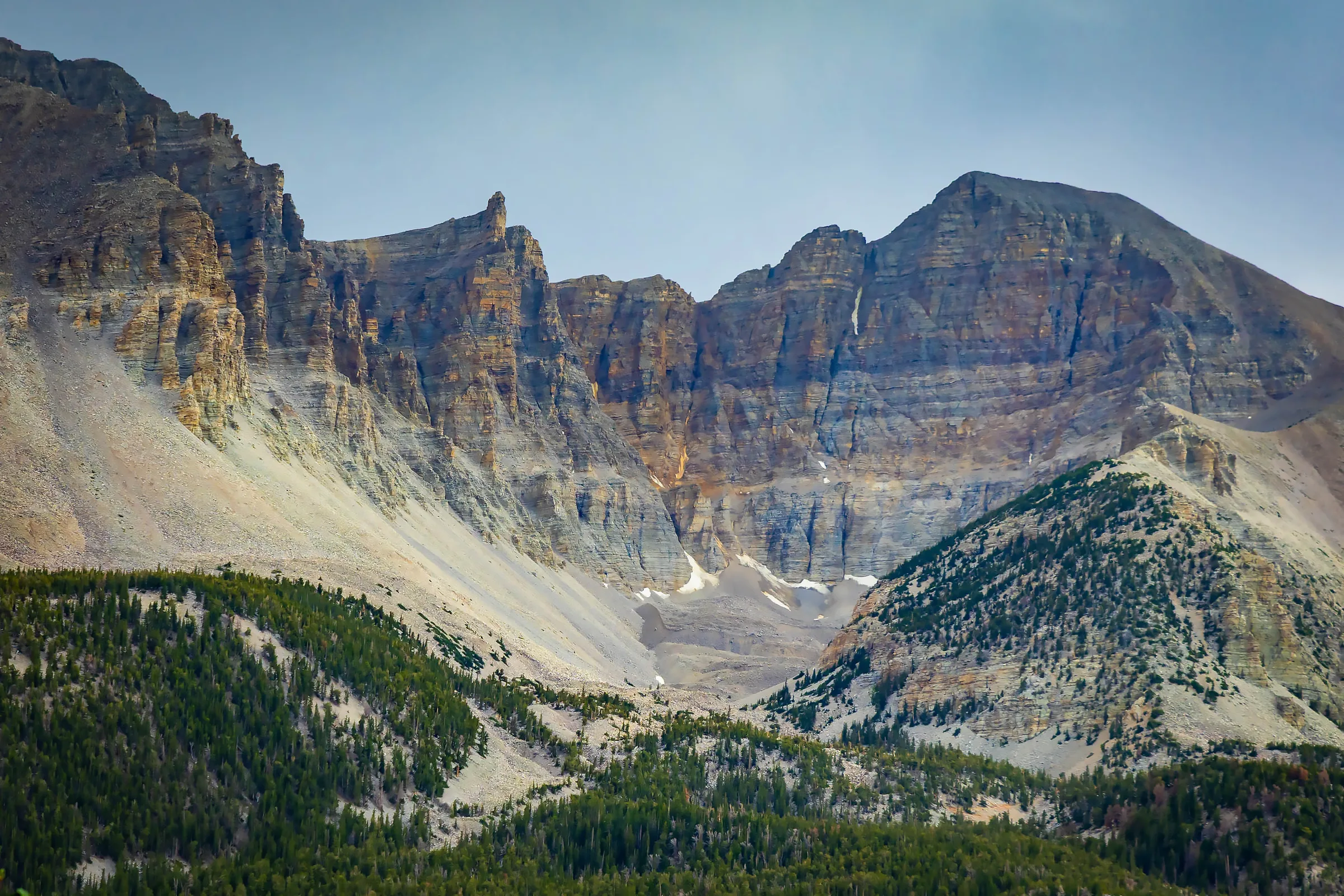
Great Basin, Nevada
Ancient bristlecone pine forests, some of the oldest living things on earth, under some of the darkest skies left in the country. We arrange private stargazing with working astronomers. The caves and the night sky do the heavy lifting.
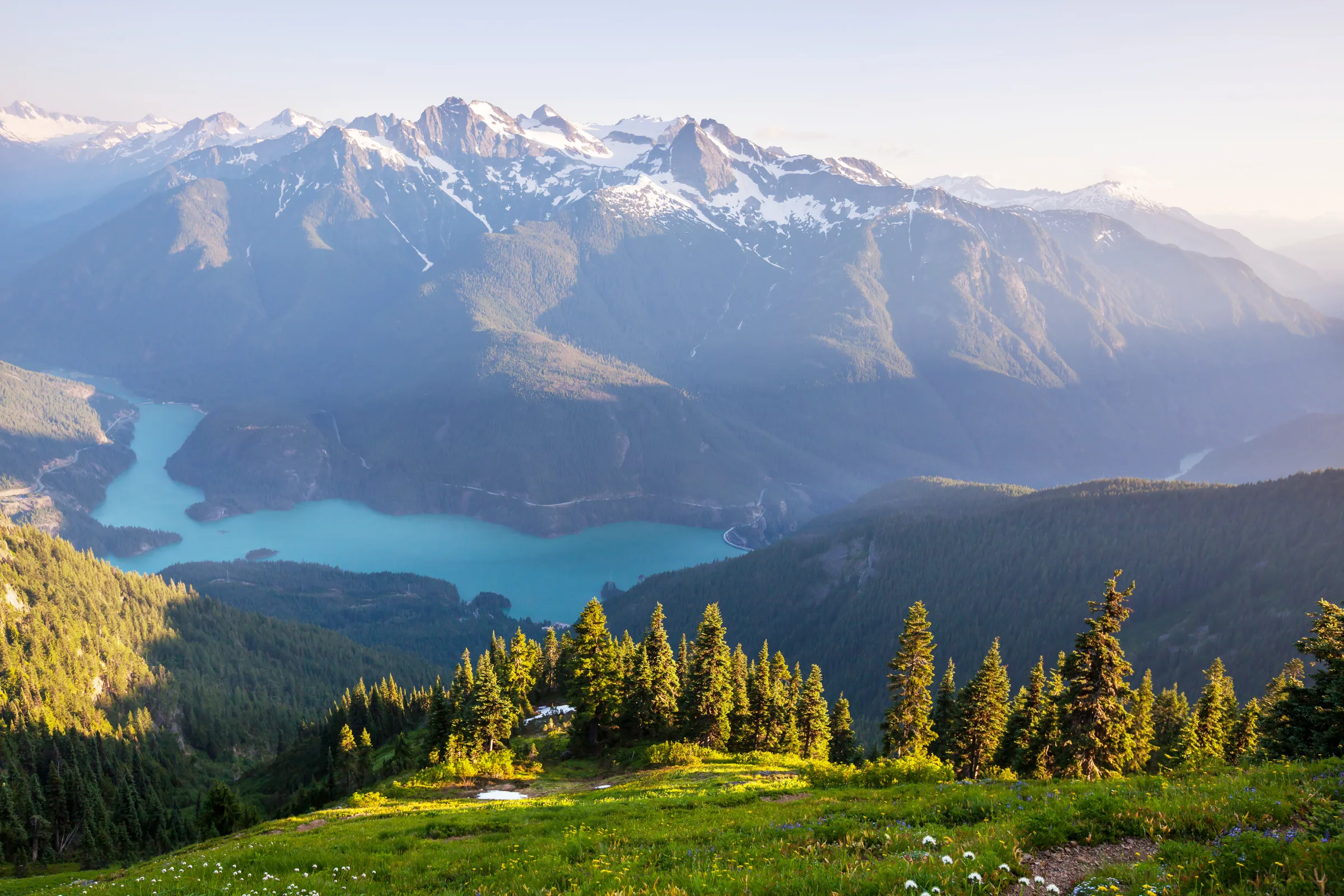
North Cascades, Washington
Alpine lakes, jagged peaks and wildflower meadows that rival anything in the more famous parks nearby, and fewer than forty-seven thousand visitors in 2025. Late summer brings the best hiking weather, and the lodge-to-lodge trek here is badly underrated.
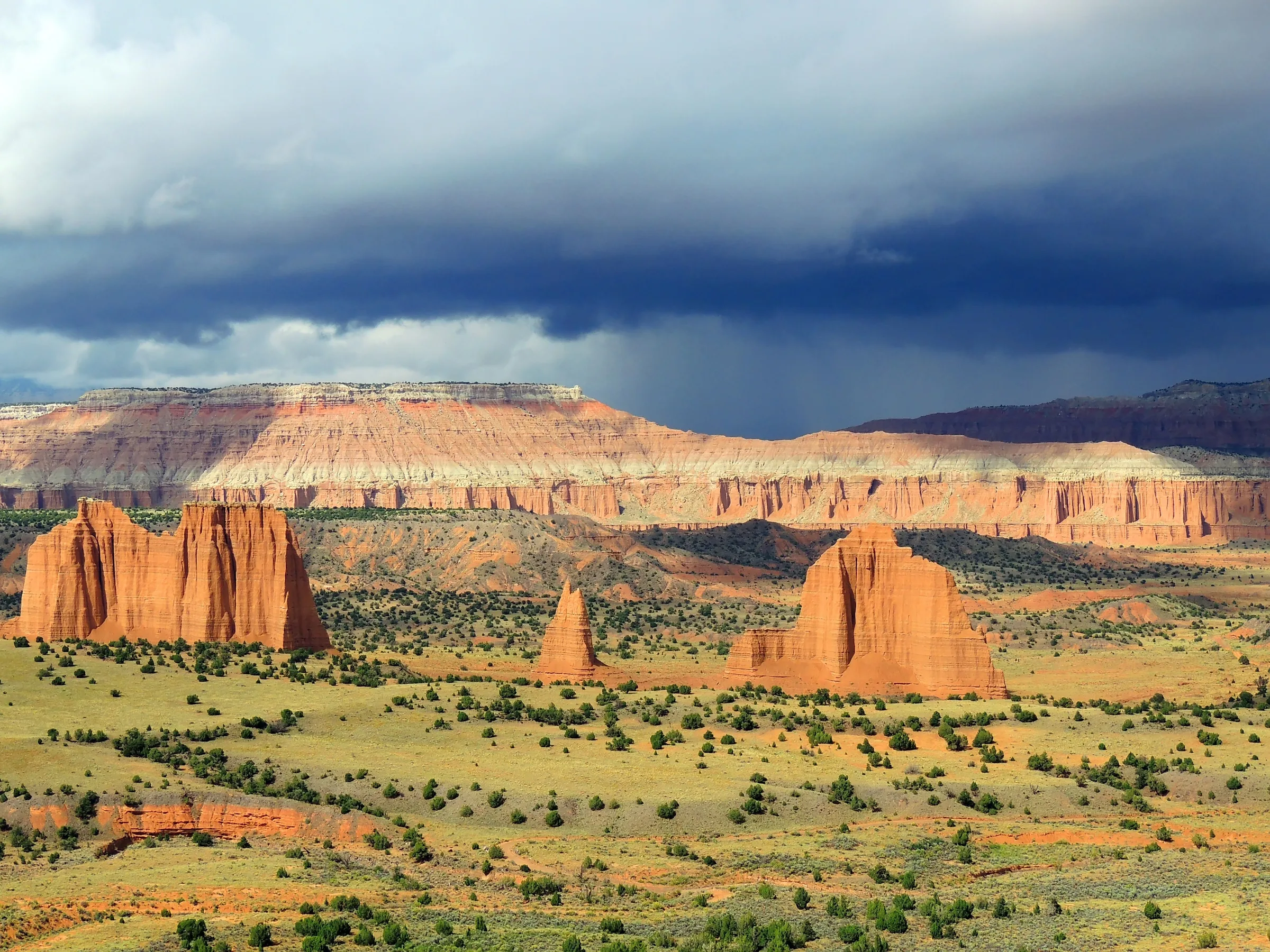
Capitol Reef, Utah
Hidden canyons, working orchards you can pick fruit from, and rock striped in colors that look invented. The park itself is busier than people expect, so we send you into the remote Cathedral Valley section by private Jeep, which almost nobody reaches.
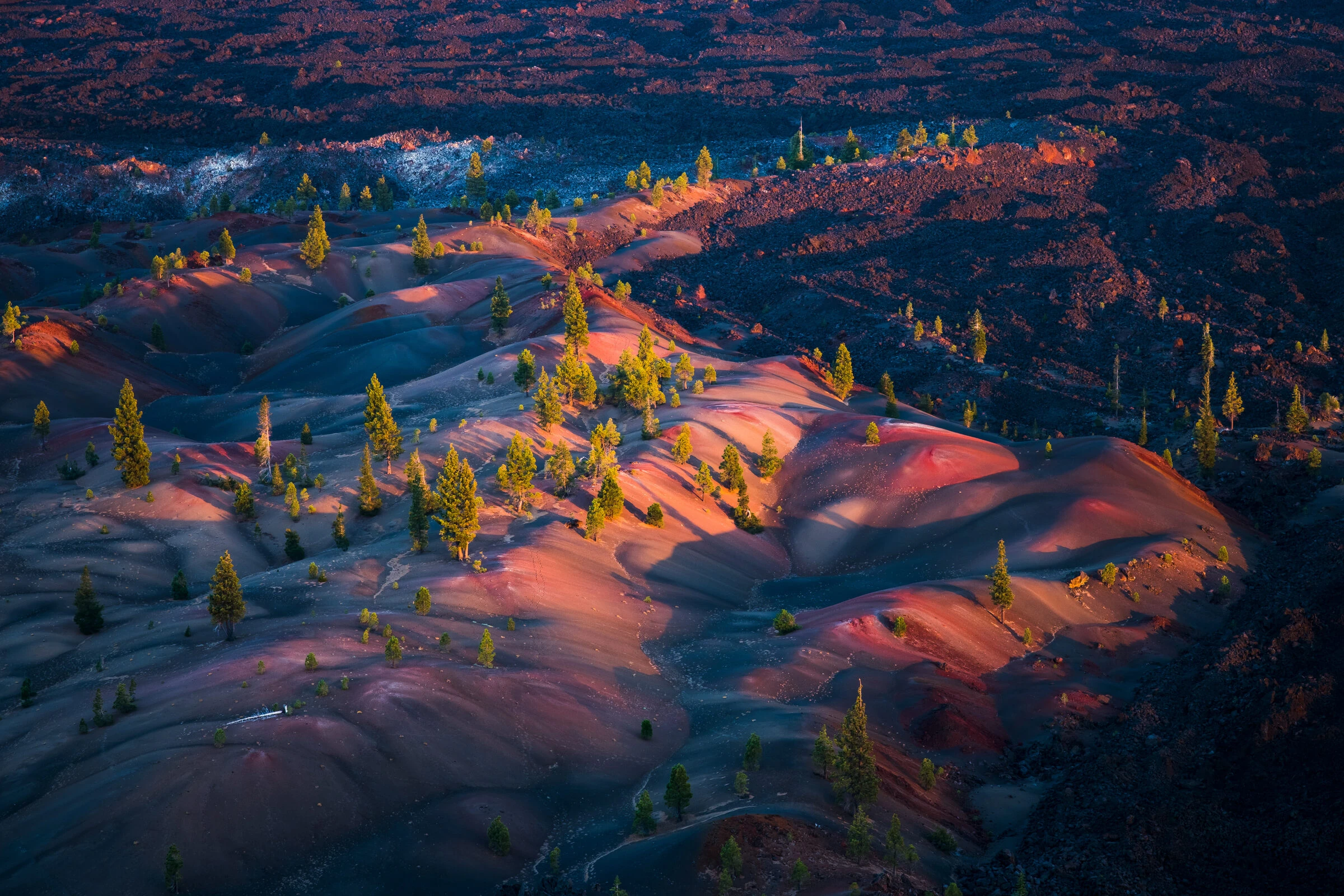
Lassen Volcanic, California
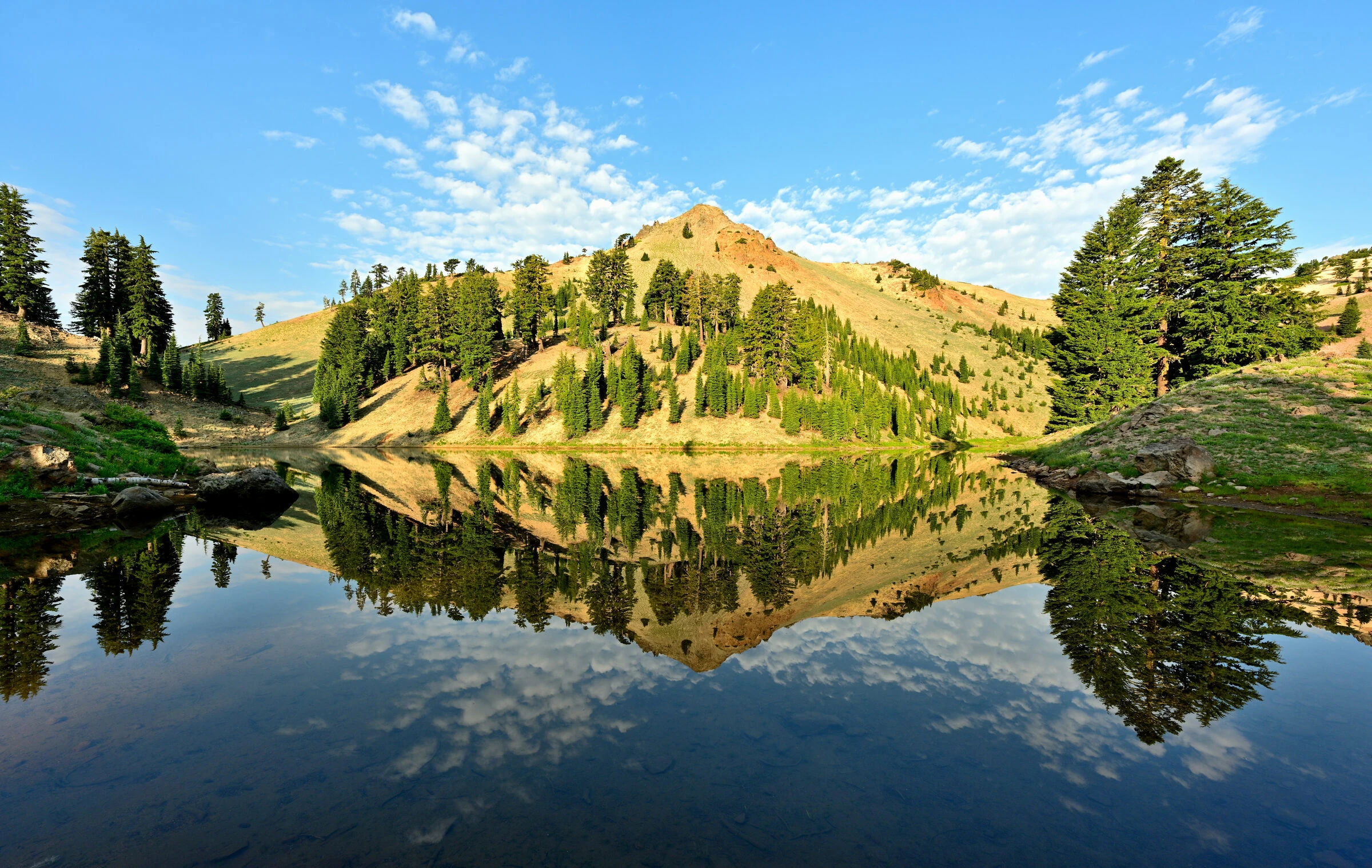
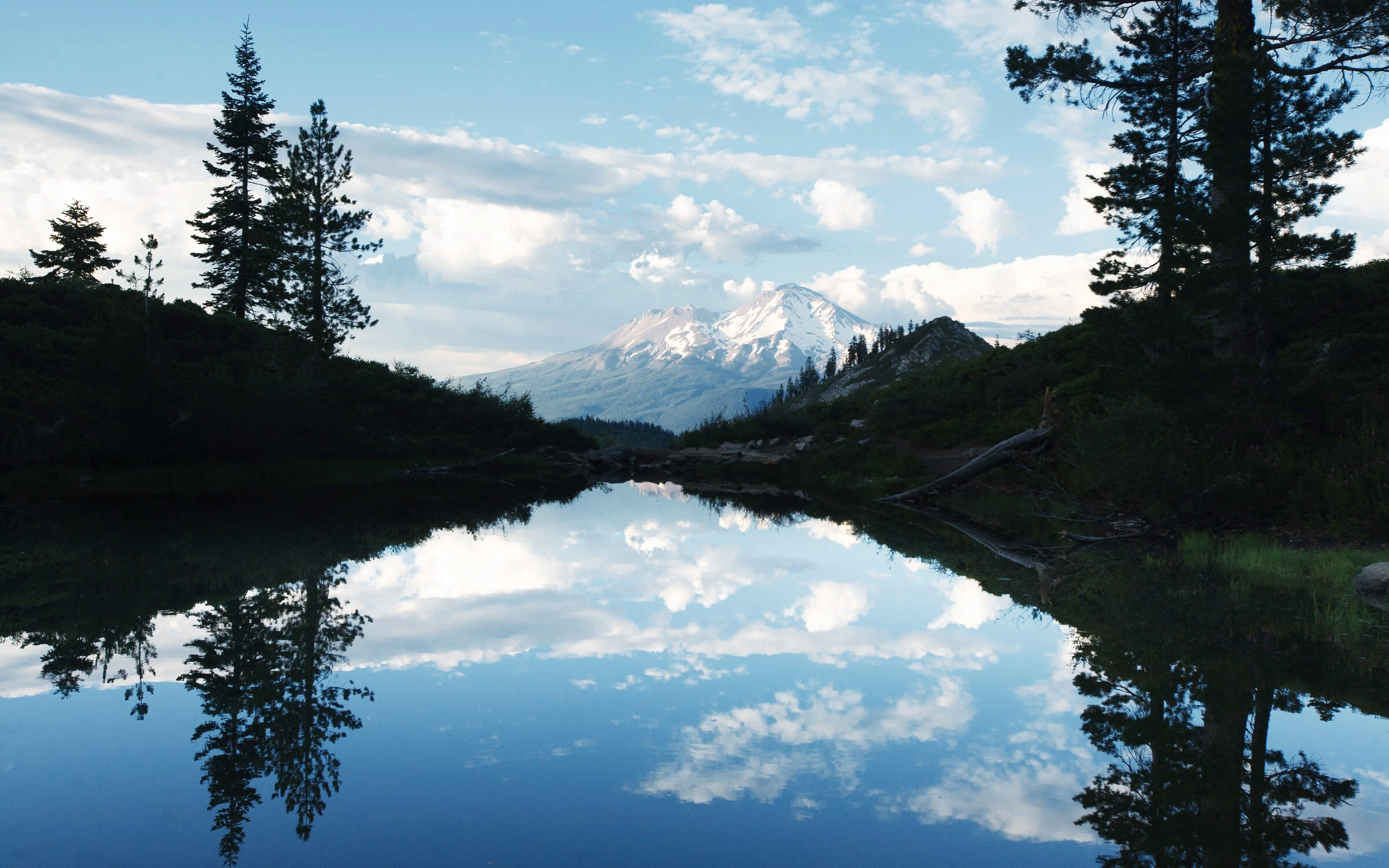
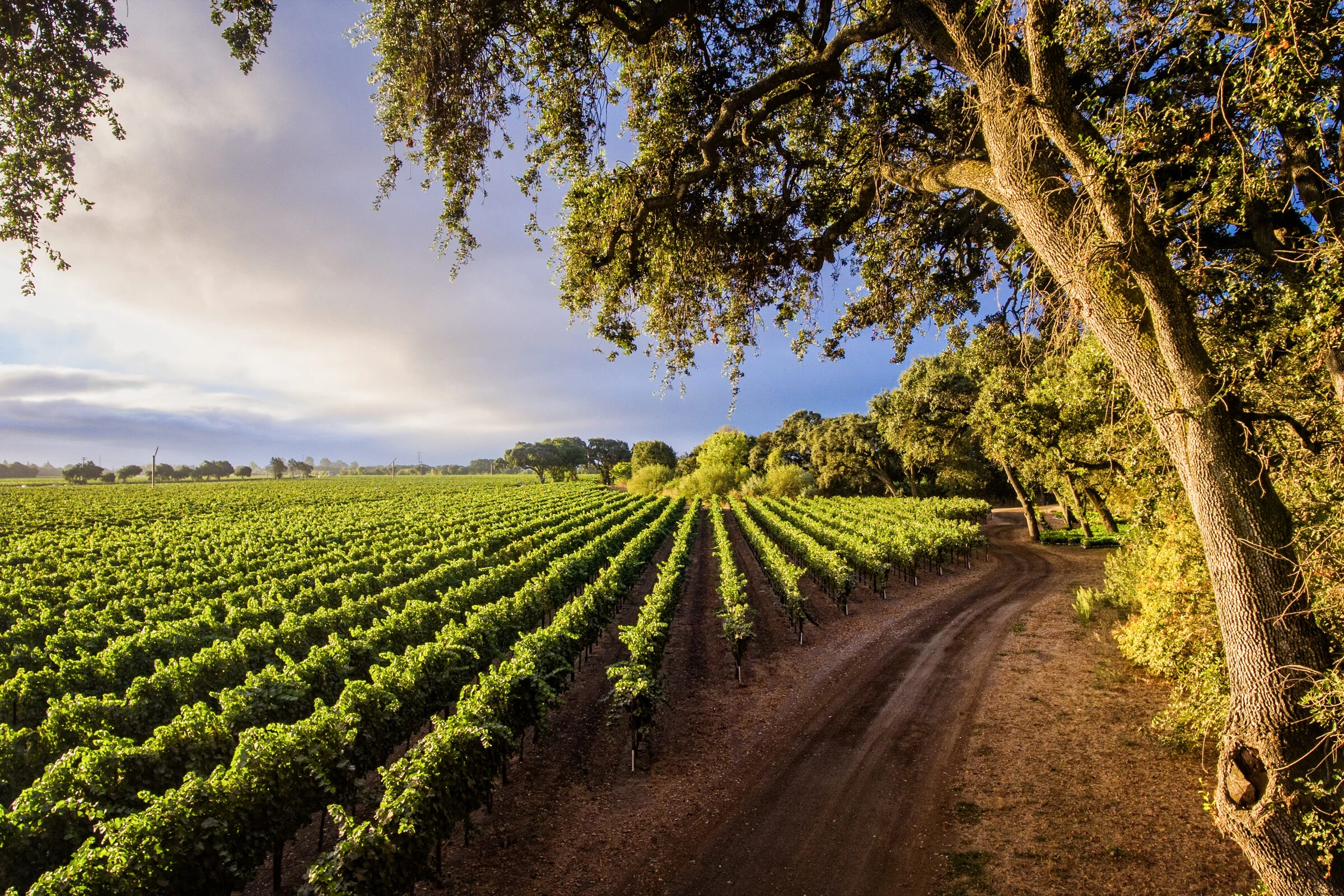
Boiling springs, lava tube caves, and alpine lakes clear enough to mirror the peaks around them. This one is close to home for us, which is why we can pair it with the Northstate wine country and stays most visitors never find.
The famous ones, done properly
They earned their reputations. The work is in the timing and the lodging, so that the crowds are somebody else’s problem rather than yours.
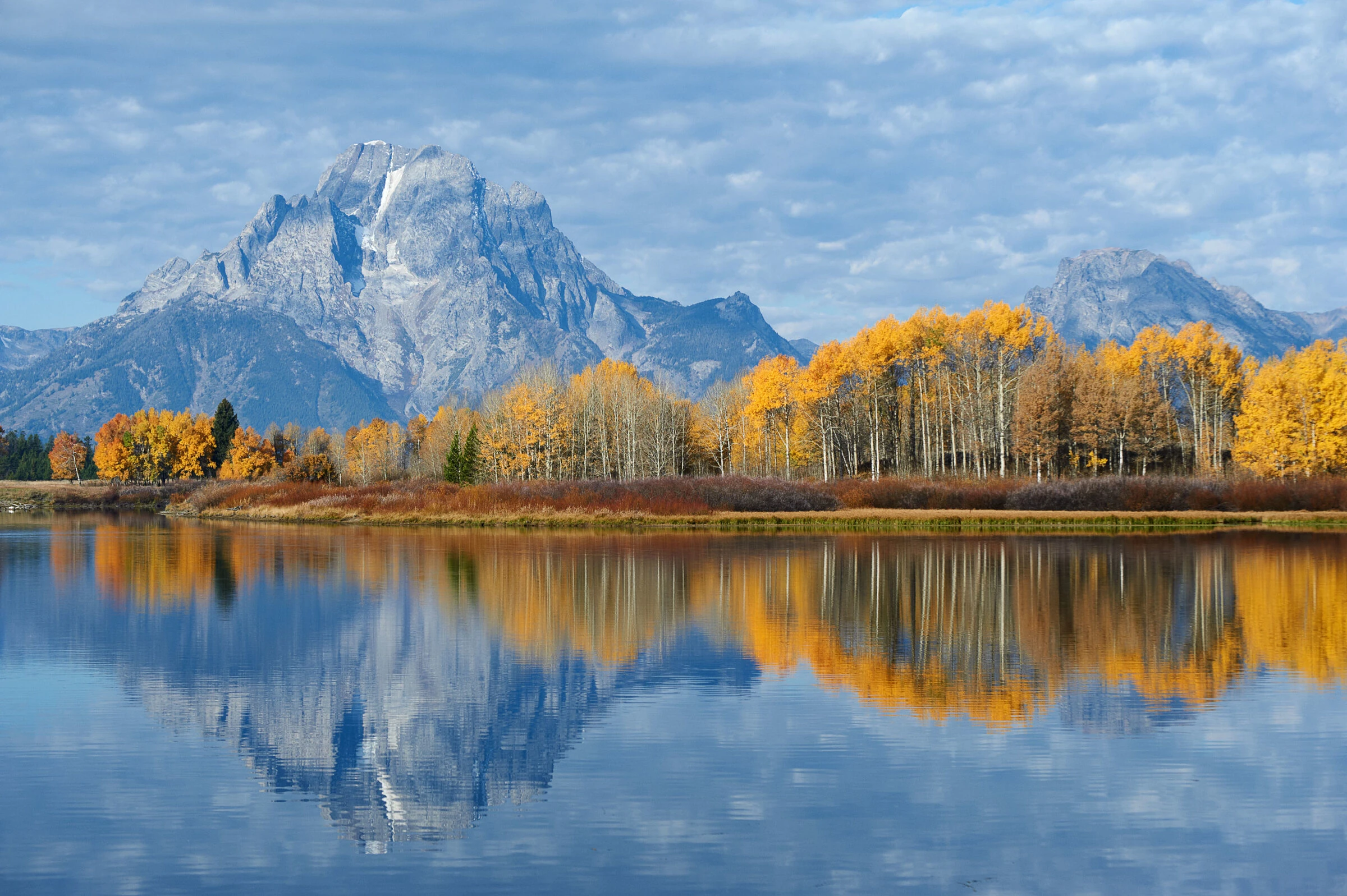
Yellowstone, Wyoming
The geyser basins, the Lamar and Hayden valleys for wolves and bison, and a park most people see from a car park. The in-park lodges release thirteen months out, and that release is the whole trip.
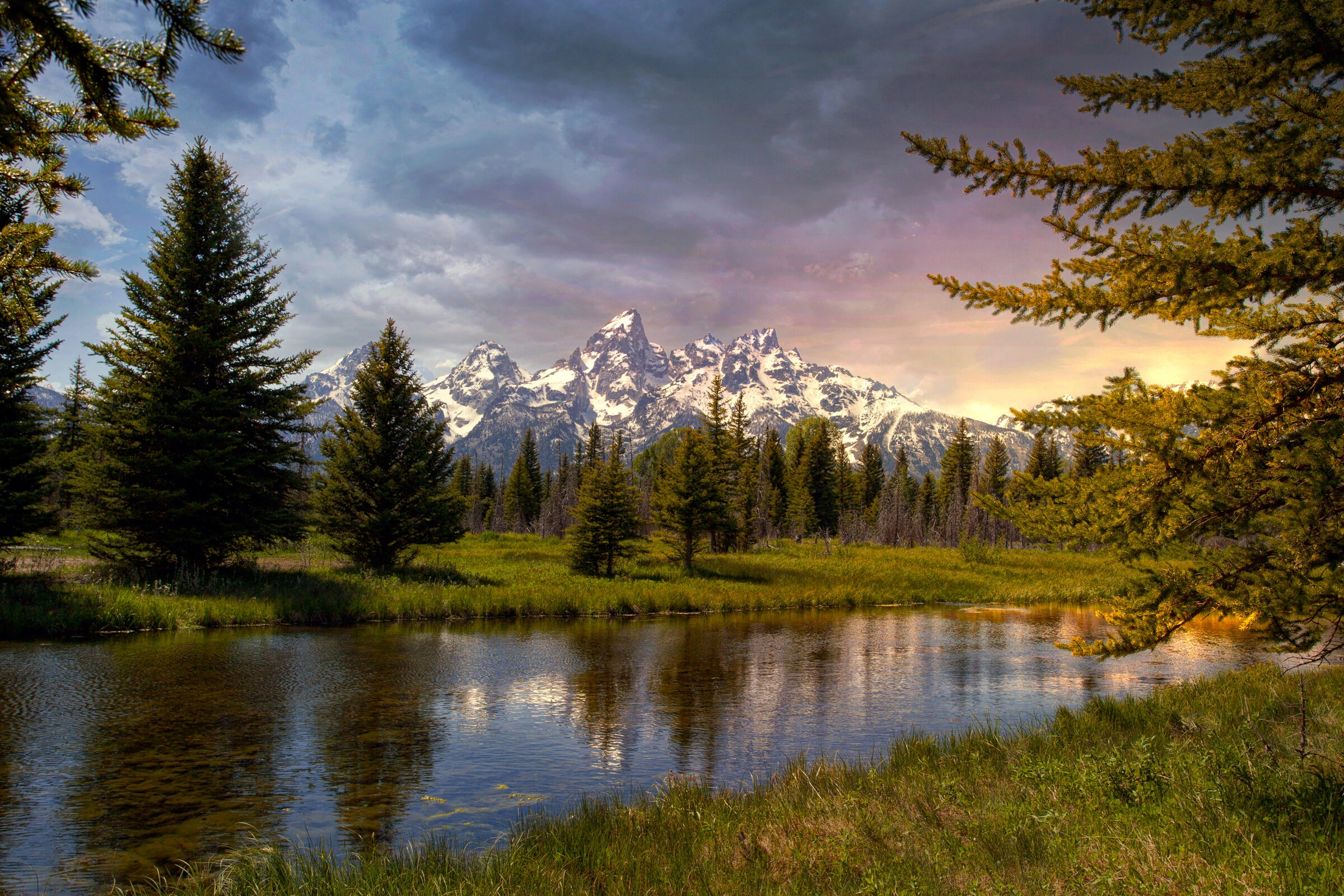
Grand Teton, Wyoming
An hour south of Yellowstone and almost always paired with it. The range comes straight off the valley floor with no foothills to soften it, which is why it looks the way it does from Jackson Hole.
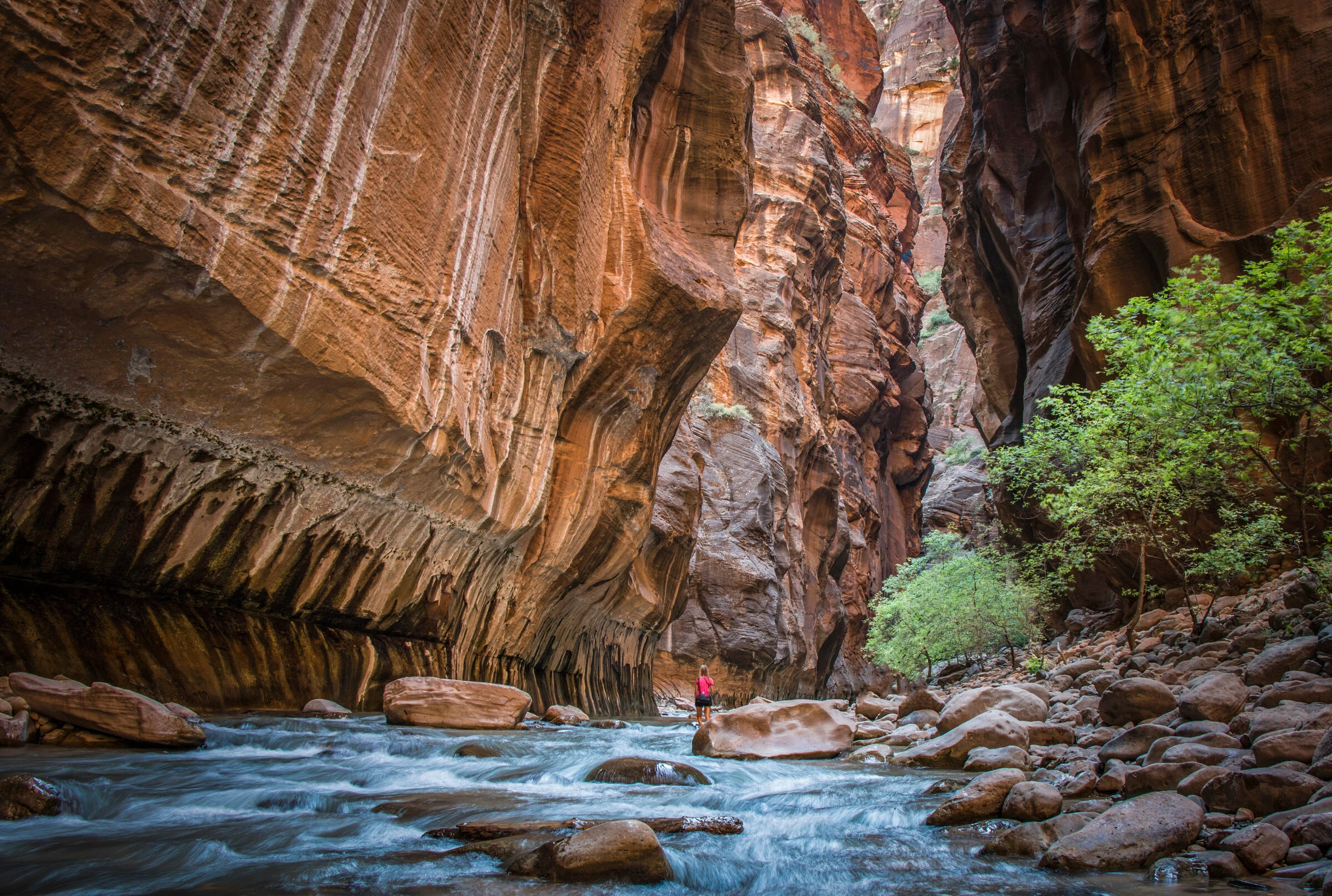
Zion, Utah
The canyon road is shuttle-only for most of the year, Angels Landing needs a permit won in a lottery, and the Narrows depends entirely on what the Virgin River is doing that week. None of it is walk-up.
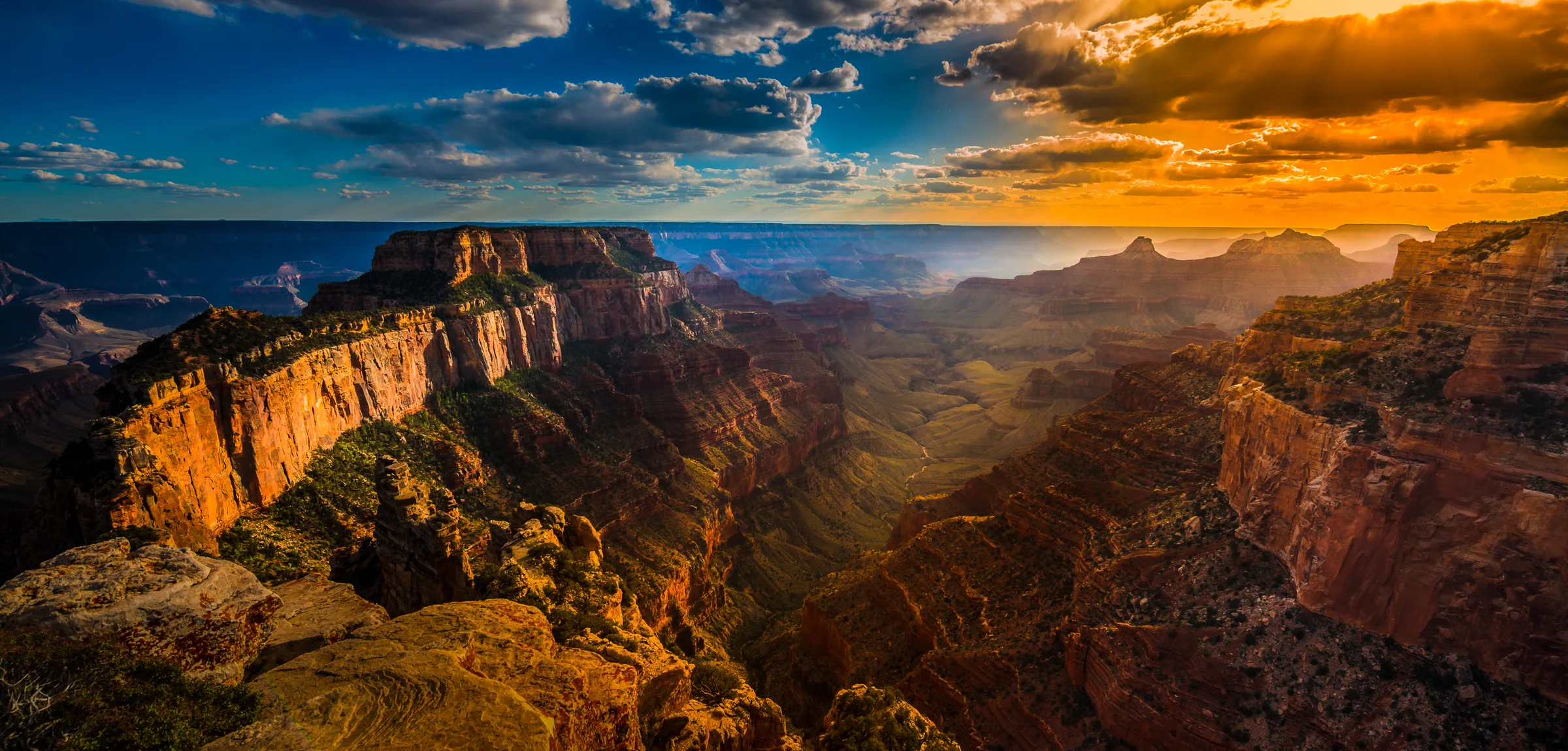
Grand Canyon, Arizona
The South Rim is where the lodging is and where everyone else is. The North Rim is a thousand feet higher and far quieter, but the Dragon Bravo Fire took the Grand Canyon Lodge in July 2025 and there is still no lodging or potable water up there. Plan the South Rim and day-trip the north.
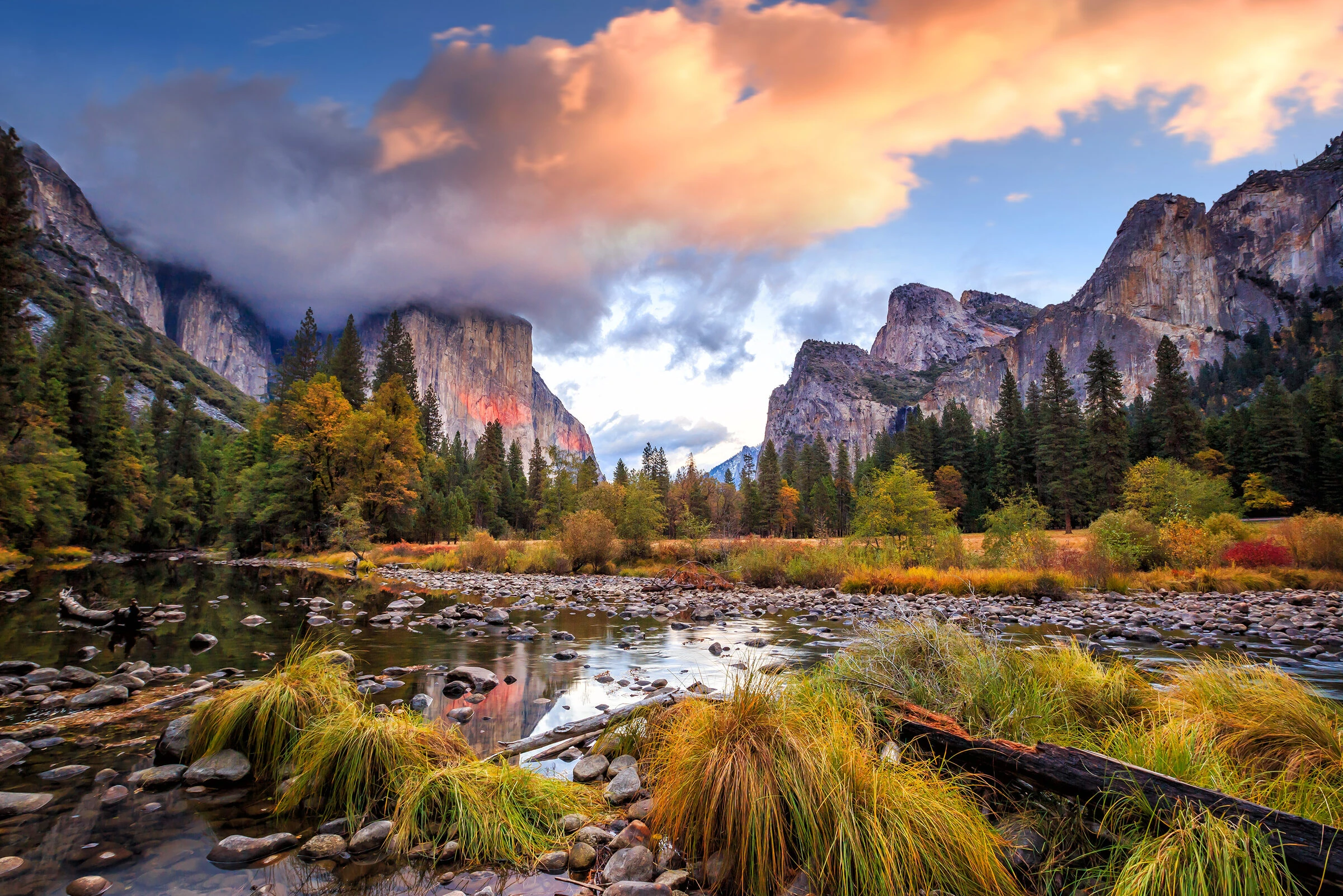
Yosemite, California
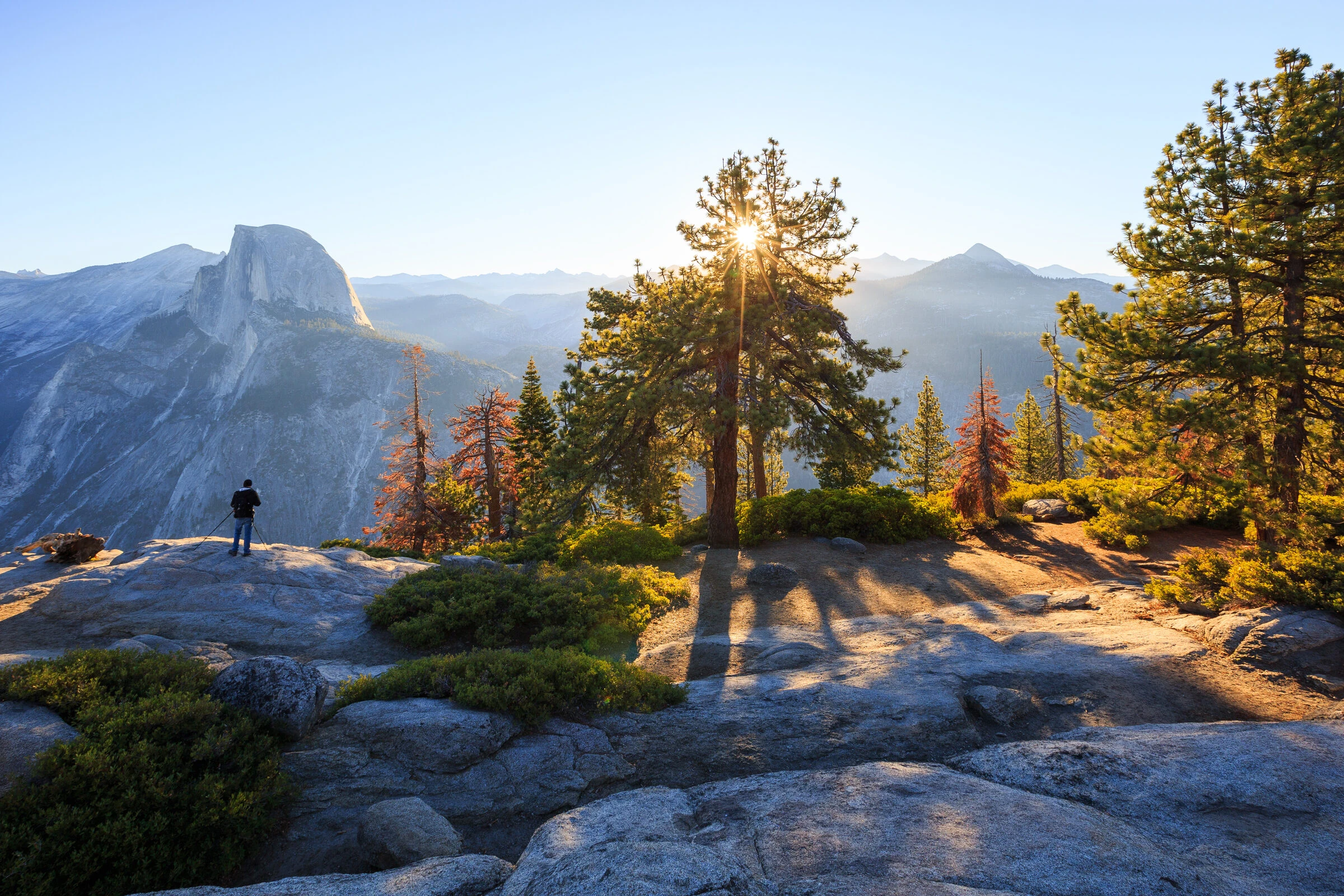
The valley is seven square miles carrying most of the park’s visitors. Glacier Point and the Tioga Road high country are the same park with a fraction of the people, and the high country opens late.
What We Design in the Parks
- Quiet-park routes: two or three lesser-visited parks with room to breathe between them.
- The famous ones, done properly: Yellowstone, Yosemite, Zion and the Grand Canyon, timed and lodged so the crowds are somebody else’s problem.
- Private camps: Lake Powell and the scenic Southwest, privately guided, with a luxury camp that is yours for the trip rather than shared.
- Private access: Jeep routes into Cathedral Valley, stargazing with astronomers, sunrise kayaking through Congaree’s bottomland forest.
- Lodge-to-lodge walking: North Cascades and the Sierra, without carrying a tent.
- Parks and wine country: Lassen and Shasta paired with the Northstate, or Yosemite with the Central Coast.
- Multigenerational trips: paced for mixed ages, with the driving cut down rather than the parks.
Expert Knowledge
Insider Guidance
The parks are the easiest destination in the world to visit badly, because nothing stops you.
Why the Parks are Harder to Plan Than They Look
Lodging is the real bottleneck
The historic in-park lodges release rooms thirteen months out, on the fifth of the month, and the good ones can go within hours. Old Faithful Inn, El Tovar, Many Glacier and Lake McDonald all behave this way. Miss the release and you are staying an hour outside the gate.
The reservation rules changed in 2026
The Park Service dropped timed entry at Arches, Glacier and Yosemite for 2026. Rocky Mountain still requires it from late May to mid-October. Most published guides have not caught up, and every park still charges entry with separate permits for some trails, shuttles and campgrounds.
Distance is the thing people underestimate
Parks look adjacent on a map and are frequently five or six hours apart on real roads with no services in between. A week with four parks in it is a week of driving. We would rather cut a park than cut the time in one.
Quiet is not the same as easy
The least-visited parks are less visited for a reason: fewer roads, fewer services, longer approaches. North Cascades and Great Basin reward the effort, and they are not places to improvise on arrival.
What We’d Talk You Out Of
Five parks in seven days
You will see five parking lots and a great deal of highway. Three is the honest maximum for a week, and two is often better. The thing people remember is the morning they did not have to leave.
July and August, if you have any choice
Peak heat in the desert parks, peak crowds everywhere, and peak prices on anything within an hour of a gate. Late September does almost everything better, and the light is not close.
Deciding the parks before checking the lodges
If staying inside a park matters to you, availability sets the itinerary. Choosing dates first and then discovering the lodge is full for eleven months is a needless way to start.
Assuming the famous park is the better park
Capitol Reef took more than 1.4 million visitors in 2024. North Cascades took under forty-seven thousand in 2025. They are both extraordinary. Only one of them requires a strategy for the parking.
Booking a rental car and calling it a plan
The parks are where private guiding earns its keep, because the difference between a good day and a wasted one is knowing which trailhead is full by nine and which canyon takes the light in the afternoon.
Selected Stays
A few of the places we love
Examples rather than a fixed list. In the parks the property is often the reason the trip works, and the booking window is why it needs planning.
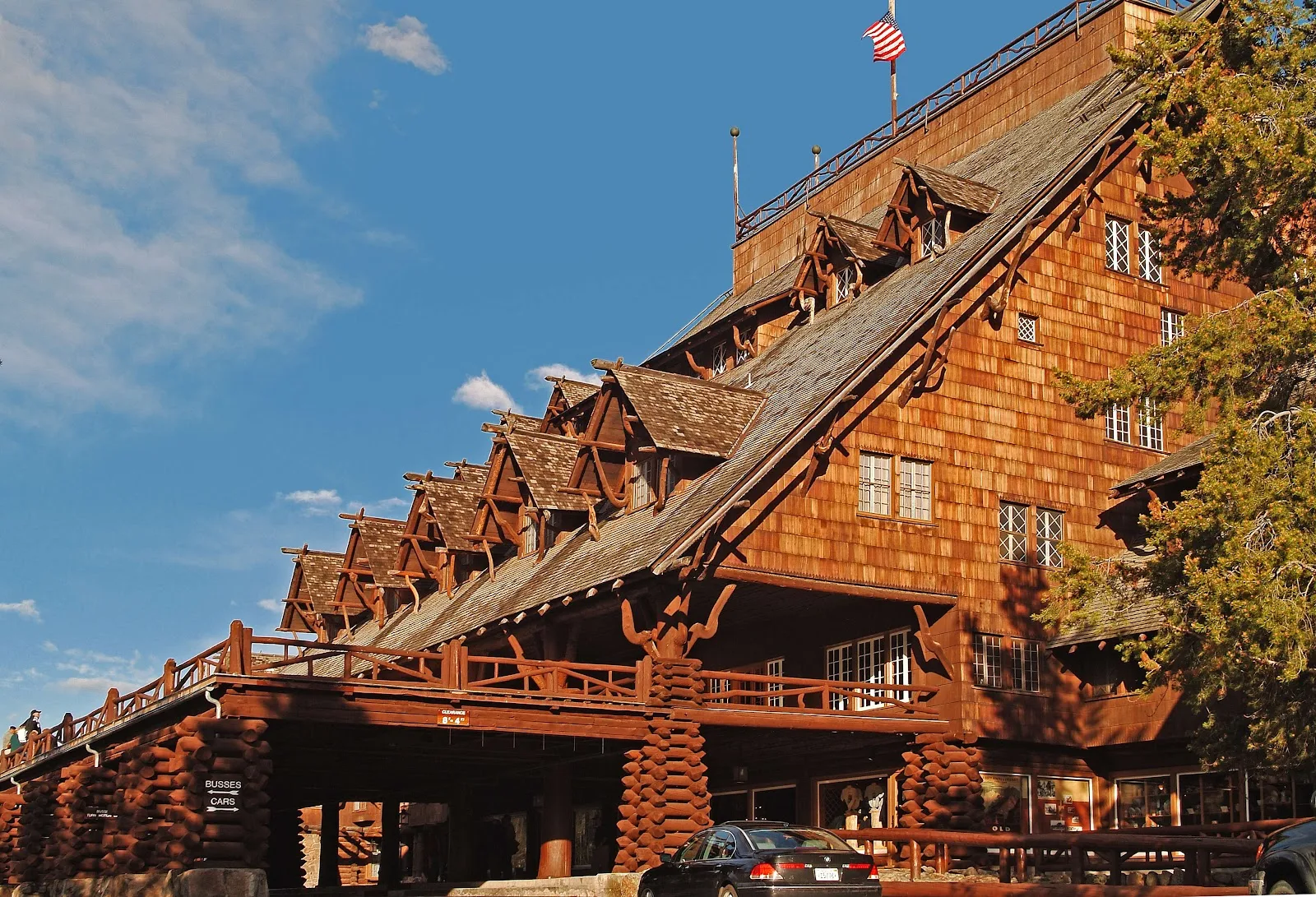
Historic In-Park
13-Month Window
Yellowstone • Wyoming
Old Faithful Inn
The great log lodge, and still the only place to be standing when the geyser goes at dawn. Rooms release thirteen months out and the best of them can go the same morning.
Rim-Side Historic
13-Month Window
Grand Canyon • South Rim
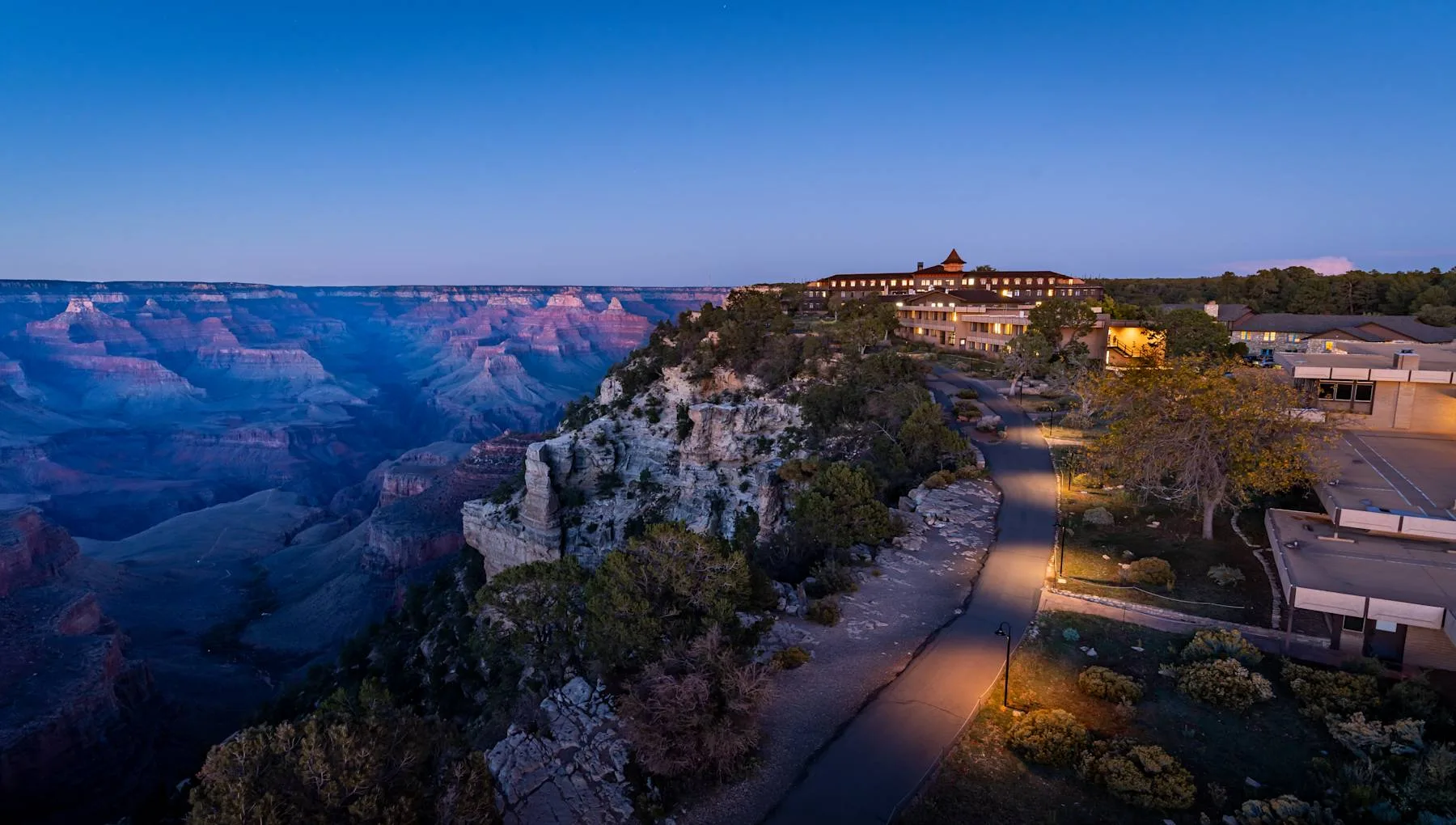
El Tovar
Twenty feet from the rim, which is the whole argument. Sunrise and sunset without getting into a vehicle, and the same booking pressure as Yellowstone.
Lakeside Historic
Sells Out Fastest
Glacier • Montana
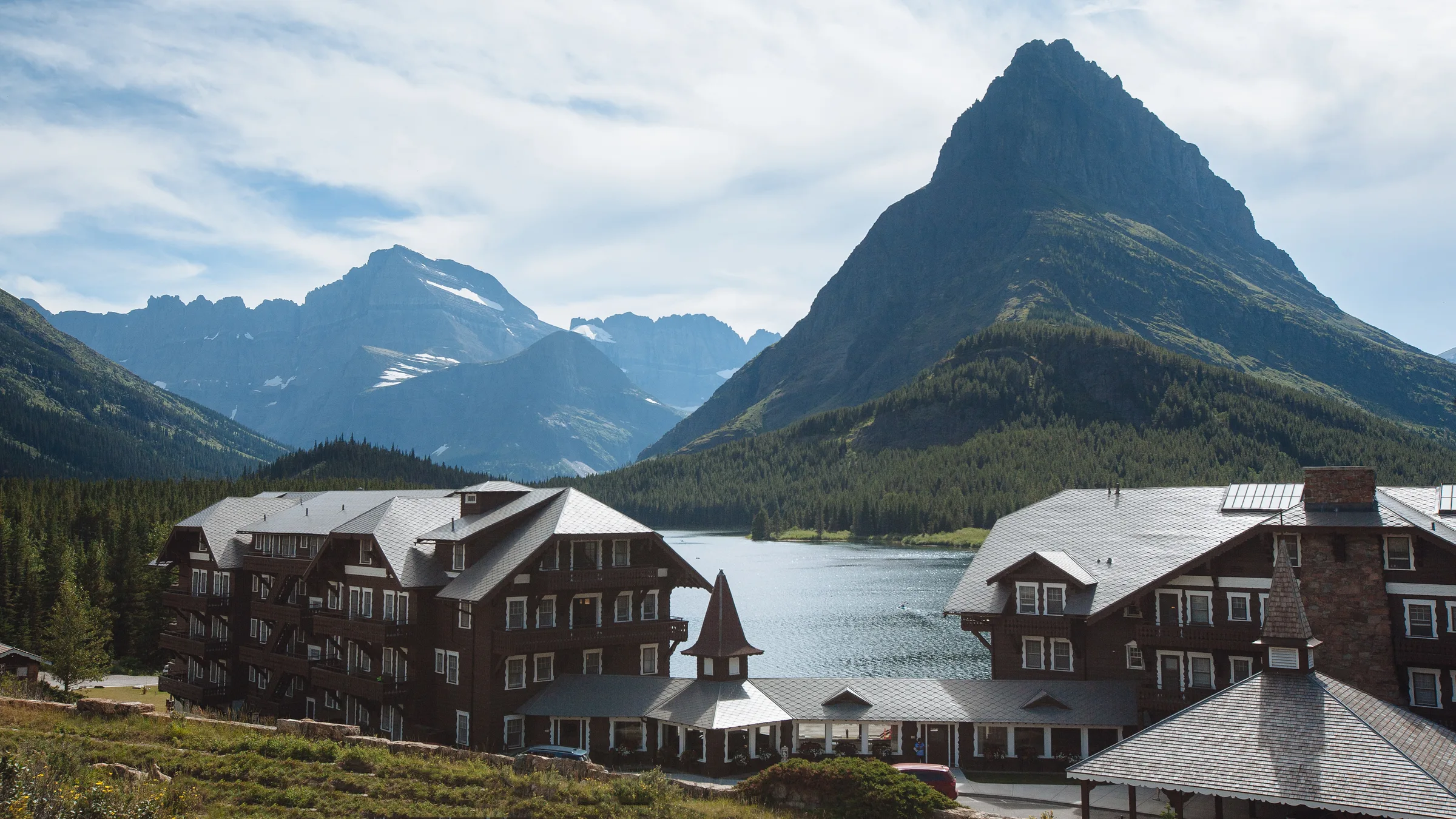
Many Glacier Hotel
On Swiftcurrent Lake in the best corner of Glacier, and one of the two or three hardest rooms in the system to get. Worth building the trip around.
Close to Home
Road Access
Lassen & Shasta • Northern California
The Northstate
Lakeside retreats and small properties around Lassen and Shasta that most visitors drive past on their way somewhere else. This is the corner of the country we know best, because we live in it.
Field Notes & Dispatches
More Inspiration: From the Journal
Longer reads on the quiet parks, where to sleep in them, and what to pair them with.
Optimal Windows
When to Go, and What For
The parks have a high season and a right season, and they are not the same months.
| Window | What It’s For & What to Expect |
|---|---|
| April to May | Wildflowers and waterfalls running full. Desert parks at their most comfortable. High country still under snow. |
| June to August | Peak everything. The only reliable window for high-elevation trails in the Cascades and the Sierra, and the worst of the heat and the crowds everywhere else. |
| September to October | The best of it. Color, cool days, thinner crowds, and better light than any other month. Rocky Mountain still needs timed entry into mid-October. |
| November to March | Quiet, cold, and beautiful in the parks that stay open. Many roads close and services shrink, so the routing has to be built around what is actually accessible. |
Diagnostic Questions
What to Ask Before You Book the Parks
Whether you work with us or not, these are worth asking before committing significant funds.
Am I staying inside the park or outside it?
This is the single biggest difference in how a parks trip feels. Inside means dawn and dusk in the park without a commute. Ask specifically, because “at Yellowstone” often means an hour from the gate.
Which of these parks require timed entry on my dates?
The rules changed for 2026 and many guides are out of date. You want a park-by-park answer for your specific dates, plus any separate trail, shuttle or campground permits.
How many hours of driving is in this itinerary?
Ask for the number, not a reassurance. Parks that look close on a map are often five or six hours apart, and driving time is the thing that quietly consumes a parks week.
When does the lodging release, and will you be ready for it?
In-park lodges open thirteen months ahead on the fifth of the month. The answer should be a specific date and a plan, not an intention to try.
Has anyone on your team actually been to these parks?
First-hand experience, or a trusted colleague’s direct experience, is the standard. In the parks it shows up in small things: which trailhead fills by nine, which overlook takes the afternoon light.
Frequently Asked
National Parks Planning, Answered
What’s the best time of year to visit the national parks?
April into May brings wildflowers and waterfalls running full. September into October brings color and genuinely crowd-free days across most parks. Summer is the busiest and the hottest in the desert parks, though it is the only reliable window for high-elevation trails in the Cascades and the Sierra.
How far in advance do I need to book?
The in-park lodges are the constraint. Properties like Old Faithful Inn, El Tovar and Many Glacier Hotel open bookings thirteen months ahead, on the fifth of each month for the same month the following year, and the best rooms can sell out within hours. If a specific lodge matters, the trip is planned around that release date.
Do the parks work for families with younger children?
Extremely well, and the quieter parks work better than the famous ones. Shorter trails, no shuttle queues, and rangers who have time to talk. The main planning question is driving distance between parks rather than anything about the parks themselves.
How much does a private national parks trip cost?
It varies more than most destinations, because in-park lodging, private guiding and light-aircraft access sit at very different price points. We give you a straight number for your specific parks and dates before you commit to anything.
Are the parks physically demanding?
Only as much as you want them to be. Almost every park has significant sights within a short walk of a road, and almost every park also has multi-day backcountry. The demanding part is usually the driving, which is why we cap the number of parks rather than the number of days.
Personal Advisory
Your National Parks Design Team
One of us personally owns your trip from the first conversation to the last night.

Deb Miller
Experience & Adventure Designer
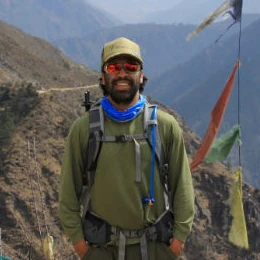
Frank Castro
Expedition Partner & Adventure Specialist
Start the Conversation
Ready when you are
Tell us which parks you have in mind and how long you have. We will tell you honestly how many of them fit.