Destination

Australia

More than Sydney and the Reef, though those too, done right.

Region & Scope Sydney, the Red Centre, Melbourne, Kangaroo Island, the Reef & the Top End
Access Mode Domestic Flights, Private Charter & Private Guides
Best Season April – October
Ideal Pacing 12 to 16 Days, or Three Weeks

Australia is roughly the size of the continental United States with fewer than a tenth of the people, and the places worth flying twenty hours for are not near each other.

Sydney to Uluru is a three-and-a-half-hour flight over almost nothing. Cairns to Darwin is another two and a half, and the lodge at the end of that one is a thirty-minute charter beyond the airport. A good Australia trip is three or four regions done properly, with the flights between them treated as the skeleton of the itinerary rather than something to sort out later.

Two weeks does three regions well. Three weeks does the country.

Advisor Field Note

Pack for the smallest aircraft on the itinerary, not the largest. The charter into the Top End floodplains takes fifteen kilograms per person in soft bags, and the flight to Lizard Island takes twenty-five. The rest of your luggage waits in a storage room in Darwin or Cairns and meets you on the way out. We build that into the plan, and we tell you before you pack.

Regional Expressions

Regions

Seven very different countries inside one, and a flight between each of them.
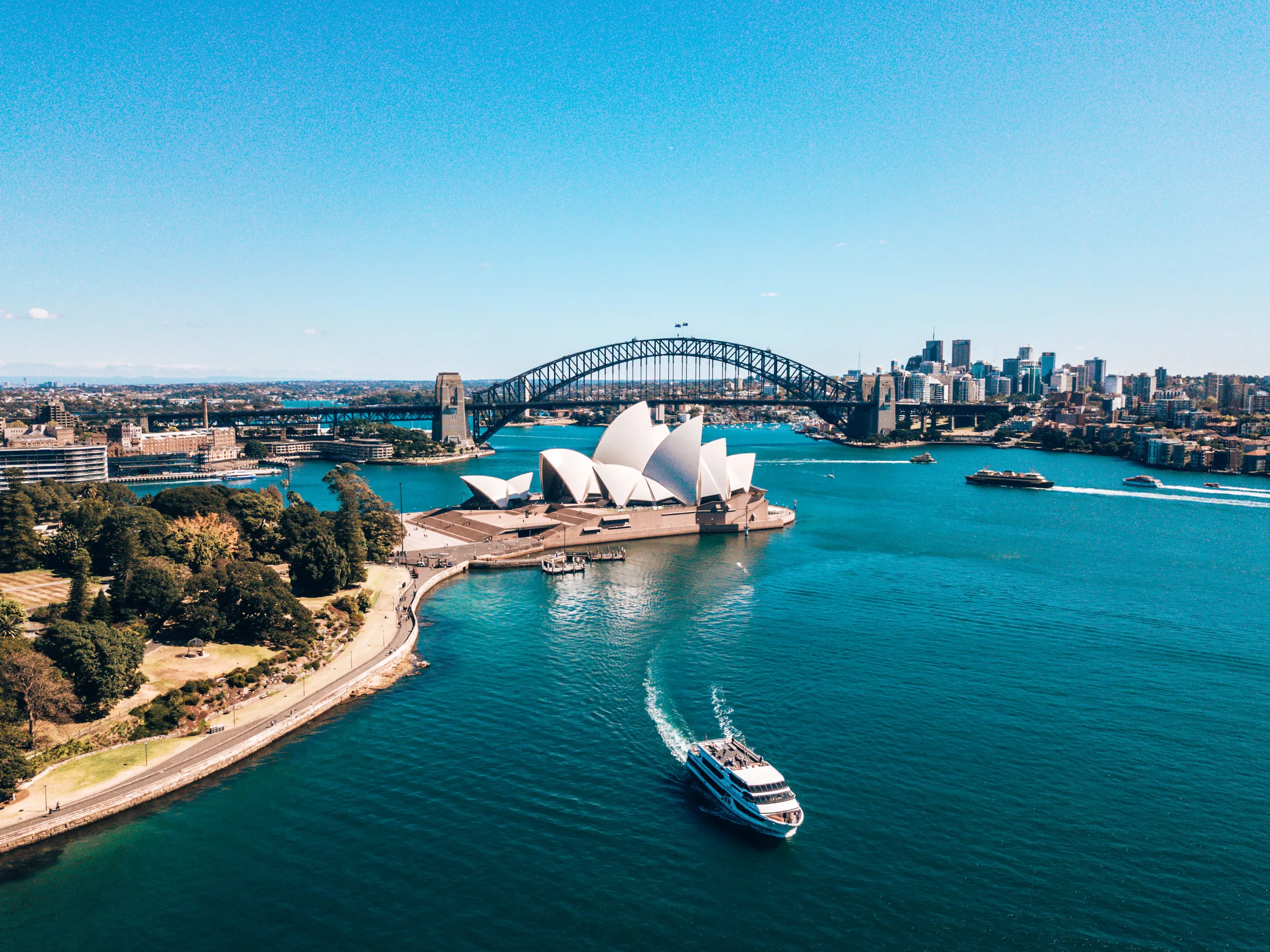
Sydney Harbour from above, with the Opera House and the Harbour Bridge

Sydney & New South Wales

The harbor is the point, and the best of it is on foot or on the water. Private tours through The Rocks and the older neighborhoods, lunch at the Cruising Yacht Club, Bondi for a swim, and an afternoon on the harbor aboard your own boat. Three nights is right at the start. Two more at the end sends you home rested.
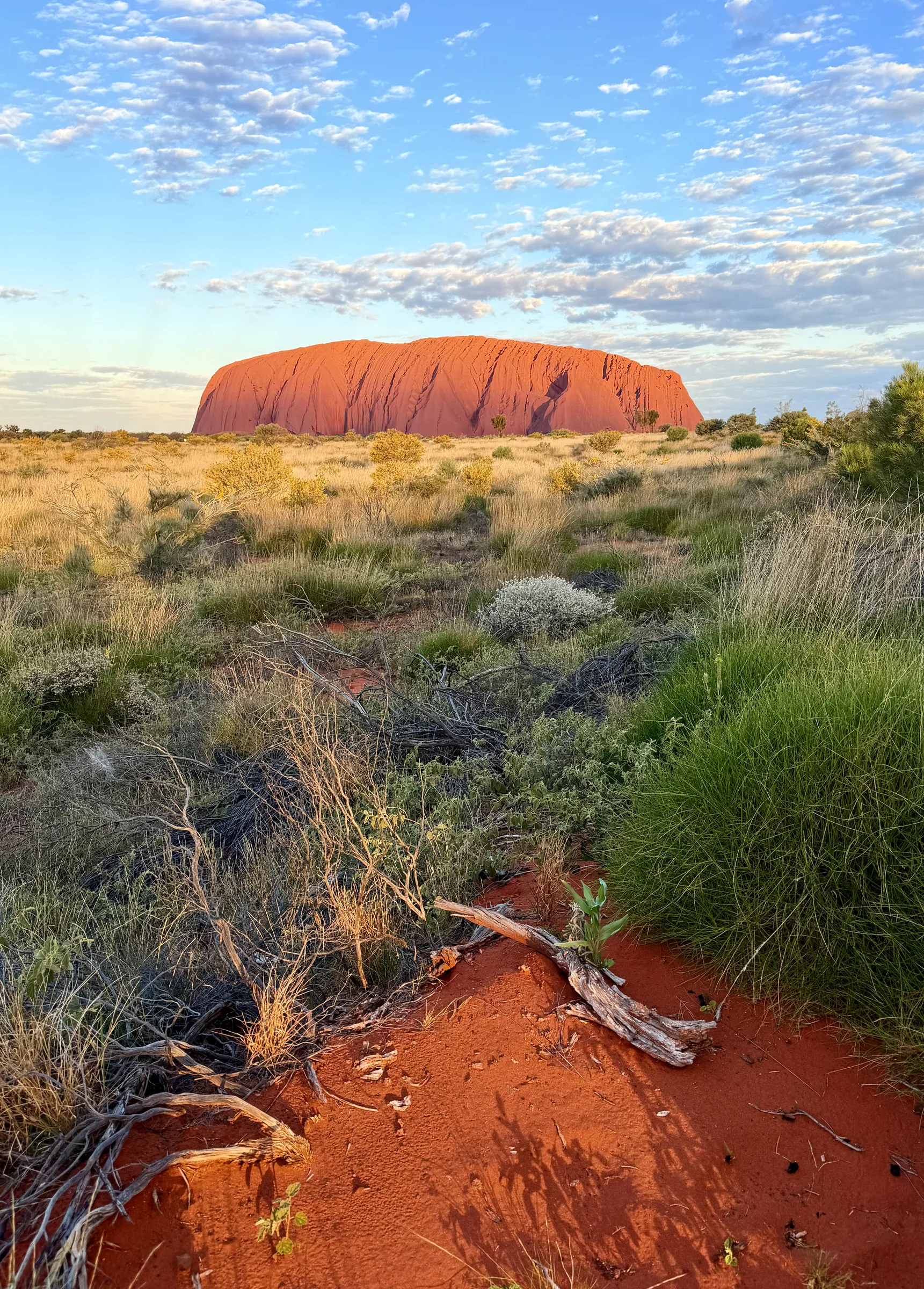
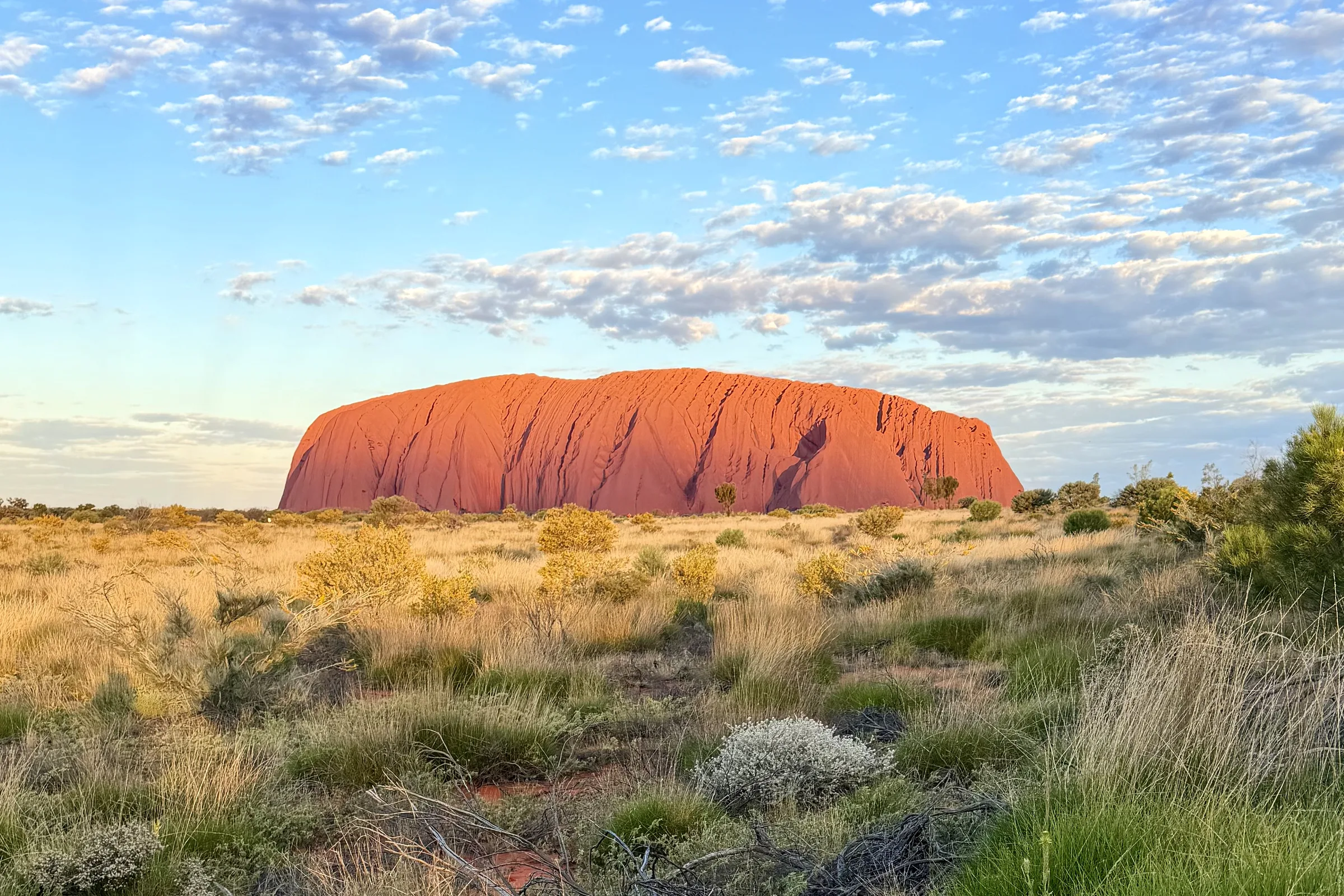
Uluru at last light with red earth and spinifex in the foreground

The Red Centre: Uluru & Kata Tjuta

Two nights minimum, three is better. Sunset and sunrise at Uluru are different events in different light. Between them, the Mala Walk and Kantju Gorge, Walpa Gorge through Kata Tjuta’s domes, Bruce Munro’s Field of Light after dark, and dinner under the stars at Table 131. This is the region that decides your season: from December to February the walks close by late morning when the forecast passes 36°C, so the answer is April to October.
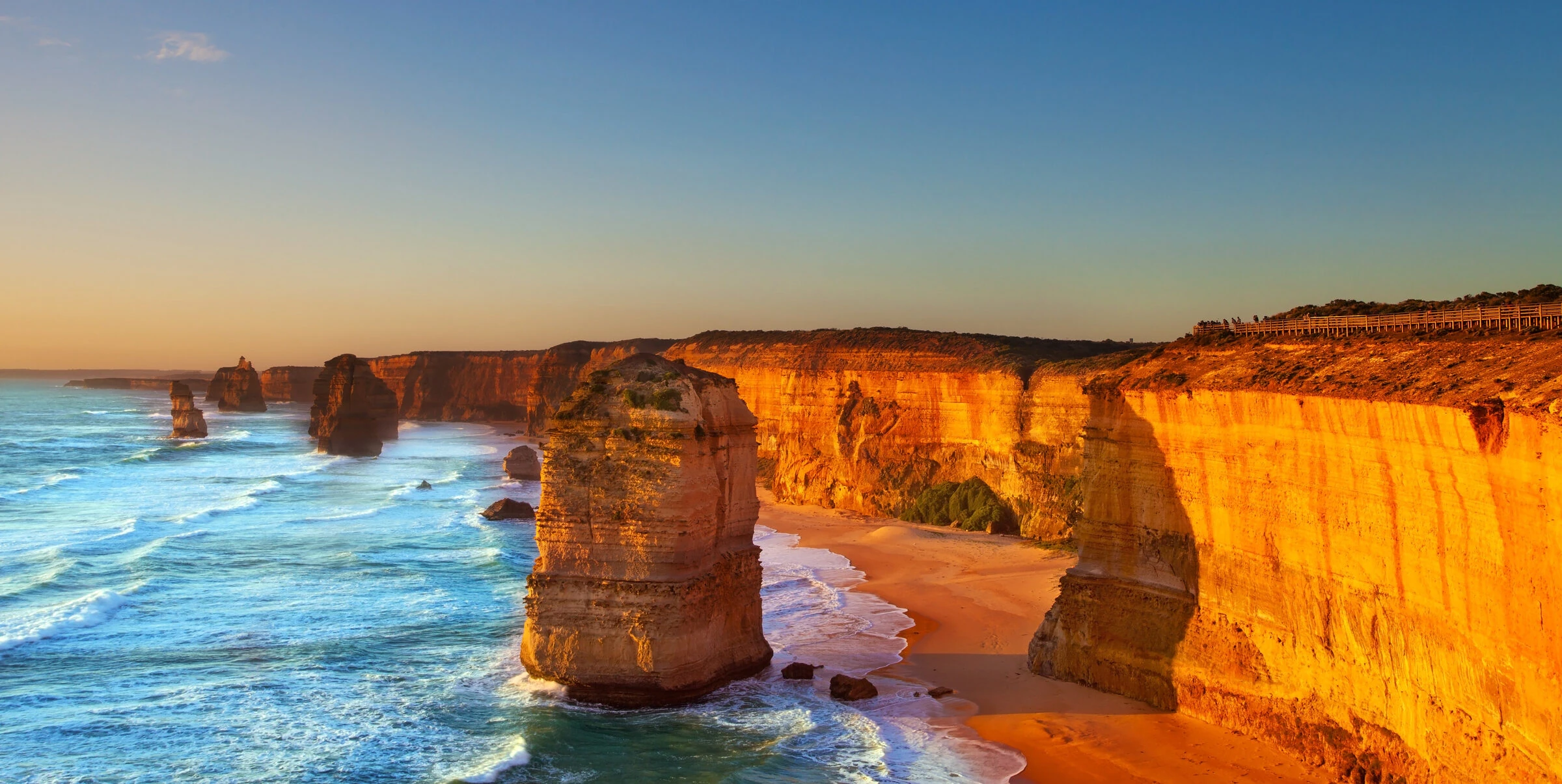
The Twelve Apostles on the Great Ocean Road, Victoria

Melbourne, Victoria & the Great Ocean Road

Australia’s food city, with laneways, galleries and a serious coffee habit. A private walking tour with lunch is the right first day. An AFL match in season, the National Gallery of Victoria, and Phillip Island for a ranger-led afternoon that ends with the little penguins coming ashore at dusk. The Great Ocean Road and the Twelve Apostles are a long day trip or, better, an overnight.
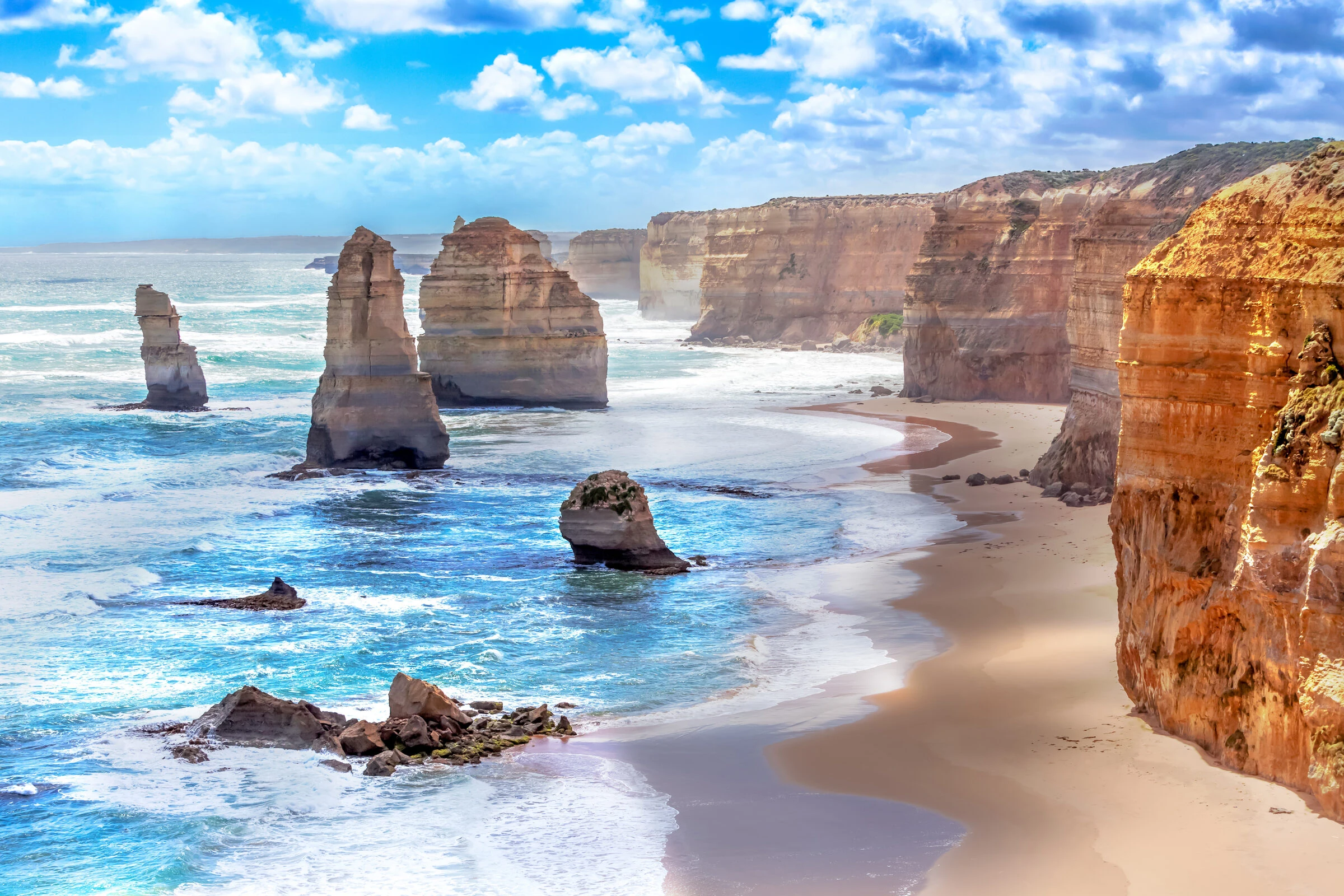
Limestone cliffs on Australia's Southern Ocean coast

Kangaroo Island & the Barossa (South Australia)

Thirty-five minutes by air from Adelaide and a different country. Sea lions at Seal Bay, the Remarkable Rocks and Admirals Arch in Flinders Chase, a swim at Stokes Bay, and a picnic lunch served in a shearing shed on a working farm. Three nights on the island, then two in Adelaide for a day in the Barossa: Yalumba, a tasting from your birth-year barrel at Seppeltsfield, and Penfolds.
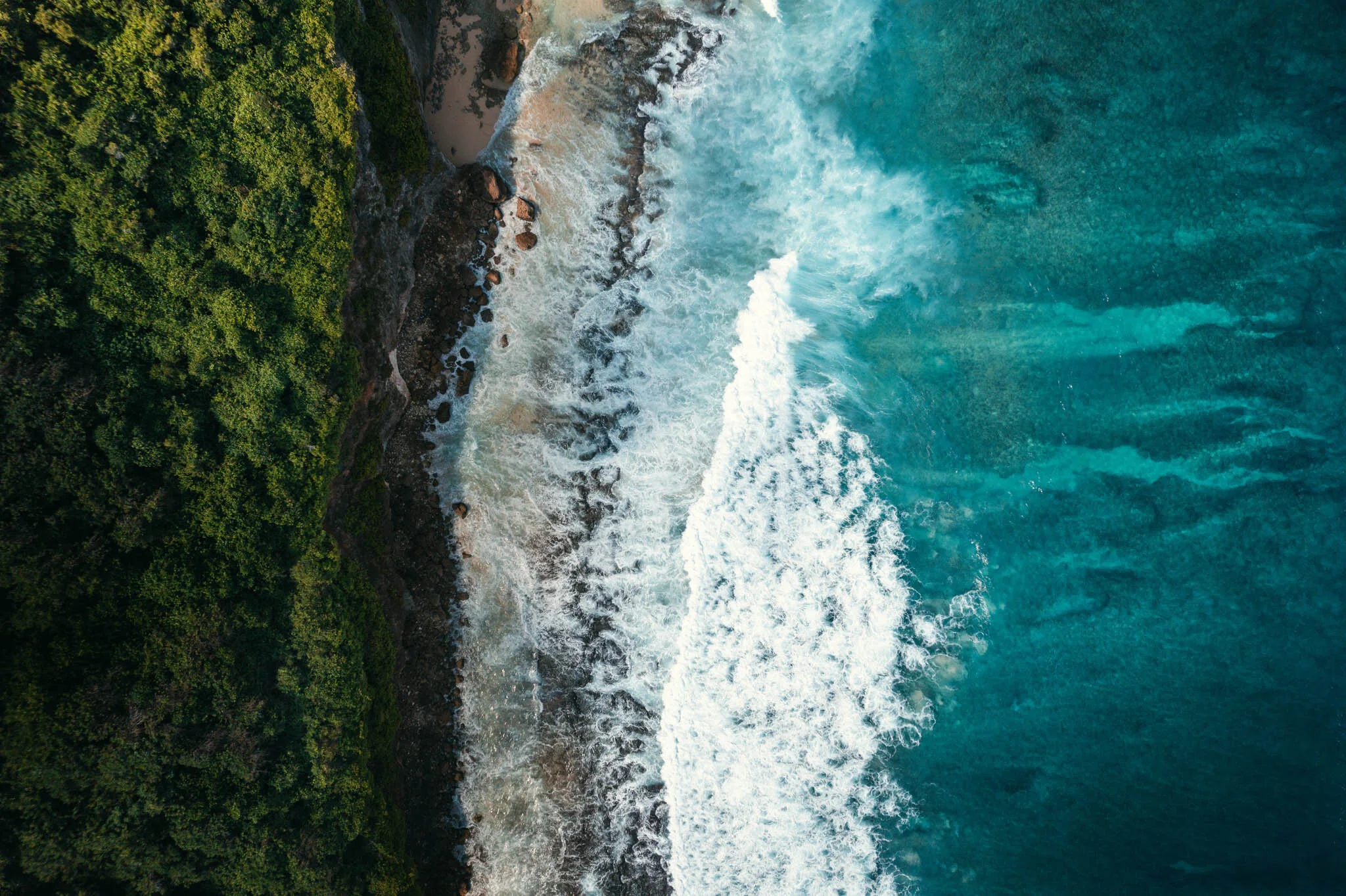
A tropical coastline from the air

The Reef & the Daintree (Tropical North Queensland)

Two ways to do the Reef. Lizard Island, a one-hour flight from Cairns, twenty-four beaches, and the Cod Hole off the end of the jetty. Or Port Douglas, with a private snorkel charter to the outer reef one day and a sail to the Low Isles the next. Then inland to the Daintree, the oldest rainforest on earth, for a treehouse lodge and a full day with a private guide looking for cassowaries.
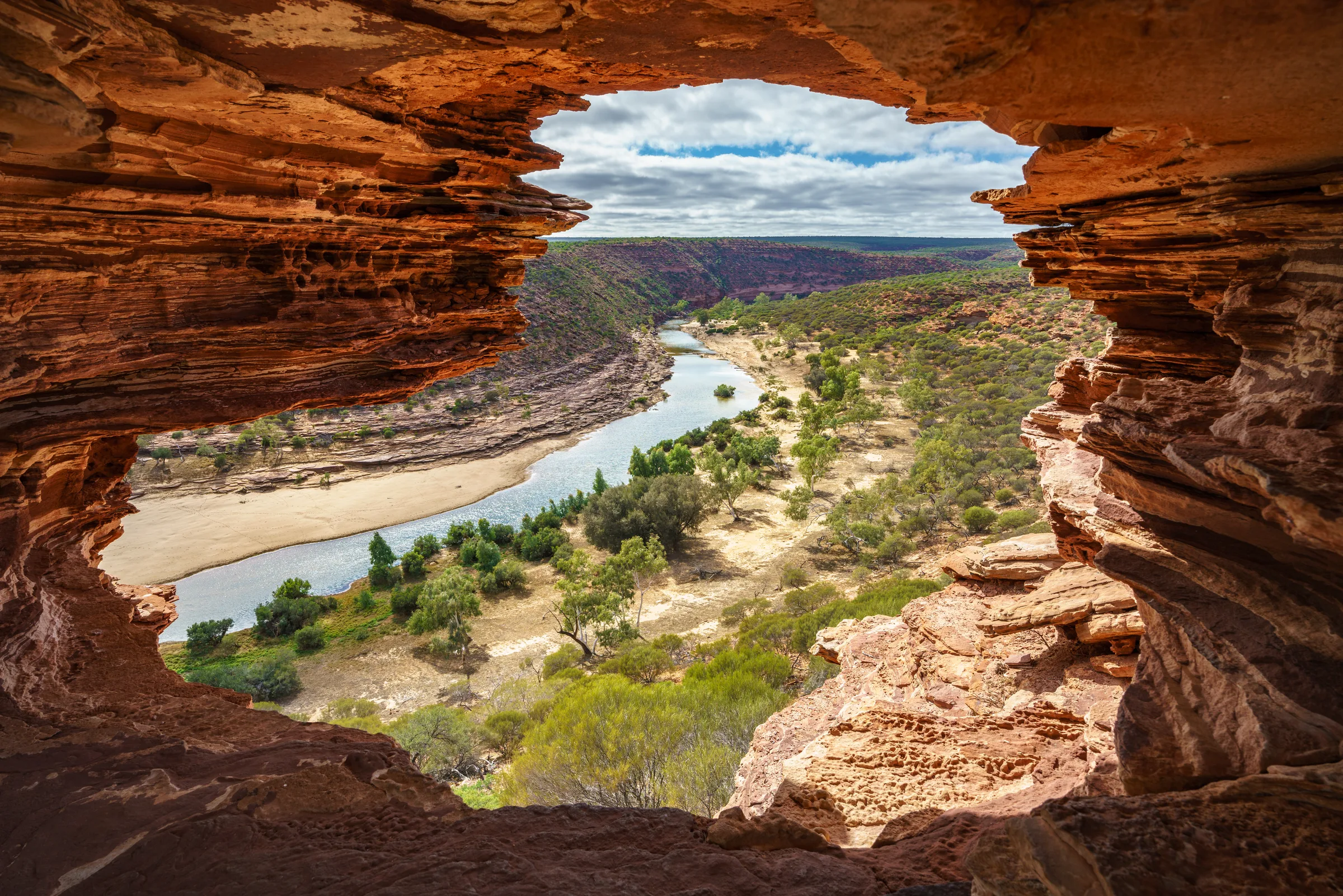
A river winding through red rock country in Western Australia

The Top End (Northern Territory)

A safari lodge on a private floodplain at the edge of Kakadu, reached by a thirty-minute charter from Darwin. Airboats through the paperbarks and lilies, saltwater crocodiles on the late-afternoon river cruise, more birds than you will count, and no phone signal at all. Three nights. The most remote thing on the map and the one guests talk about afterward.
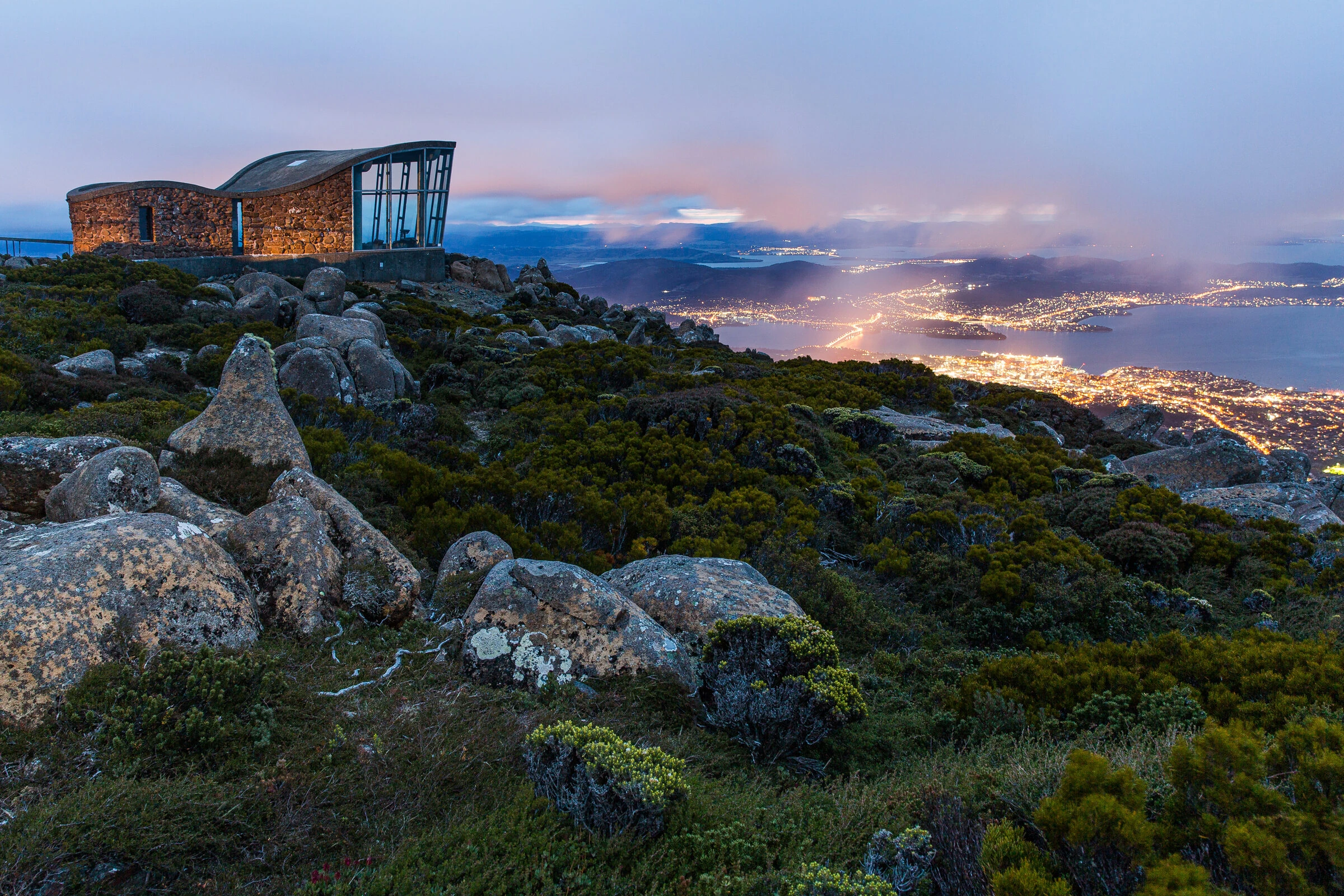
Hobart and the Derwent from Mount Wellington at sunset

Tasmania

An island the size of West Virginia off the south coast, and the part of Australia that feels least like anywhere else. Hobart’s harbor, MONA, the Freycinet coast, and cool-climate wine. Add three nights and a flight from Melbourne. Best from November to March.

What We Design in Australia

  • The three-week sweep: Melbourne, Kangaroo Island, the Barossa, Uluru, Lizard Island, the Top End and Sydney, in that order, so every long flight lands you somewhere worth it. A couple traveled exactly this in late May.
  • Three regions in two weeks: Sydney, the Red Centre and Melbourne, sequenced around the domestic timetable.
  • Families: Sydney at both ends, the Reef and the Daintree in the middle. Five travelers, three generations of interest, one itinerary.
  • Slow Australia: five nights in Sydney, three at Uluru, four in Melbourne, for travelers who would rather see less and stay longer.
  • Tasmania and the Great Ocean Road: for travelers who want the coast without the crowds.
Expert Knowledge

Insider Guidance

Australia is easy to travel and easy to under-plan. The mistakes are almost all about distance, season, and the flights nobody priced.

Why Australia Is Harder to Plan Than It Looks

The domestic flights run the trip

Every region change is a flight, and the ground program almost never includes them. Sydney to Ayers Rock has a handful of departures a day. Cairns to Darwin has fewer. Adelaide to Uluru means a dawn departure through Sydney. The flight schedule decides which day you see the rock at sunrise and whether the whole thing works. We build the itinerary around the flights, then book the flights, in that order.

The Red Centre has a season, and it is not the American summer

December through February is Outback summer. Daytime highs pass 100°F, the Kata Tjuta walks close by 11 a.m. on hot-weather days, and sunrise is the only comfortable hour. April to October is the window. The cities are fine year-round, which is why so many people plan an Australia trip for July and find out about the Red Centre later.

The north has a wet season, and the Reef has stingers

November to April is the wet in Queensland and the Top End: hot, green, dramatic, and quieter. Inshore it is also stinger season, so the reef boats hand out lycra suits and you wear them, even on the outer reef where the risk is far lower. It is a fine time to go if you know that going in. It is a different week from one in July, and the plan should know which it is building.

The calendar moves the hotels

The Sydney to Hobart start on December 26, New Year’s Eve on the harbor, an AFL final in Melbourne, the Melbourne Cup on the first Tuesday of November, and the school holidays after each Australian term all change availability and price. Over the holidays the drivers are booked weeks ahead. A September trip to Melbourne is partly a football trip whether you meant it to be or not.

Twenty hours each way changes the shape of the trip

The flight from the West Coast is fourteen to sixteen hours, and it costs a calendar day going out. The first night should be somewhere you can do nothing well. That is why the routes we build open in Sydney or Melbourne rather than flying straight on to the Outback.

What We’d Talk You Out Of

Adding the Reef to a two-week, three-region trip

It is another flight, another two nights minimum, and a fourth climate to plan around. Sydney, the Red Centre and Melbourne fill fourteen days on their own. If the Reef matters, give it a proper block and drop a city, or give the trip three weeks.

One night at Uluru

You would land after lunch, see one sunset, and leave before the walks. The rock at sunrise and the domes of Kata Tjuta are the reason to fly three hours into the desert. Two nights, and three is not too many.

Booking your own domestic flights and hoping they line up

The ground program is timed to specific departures. A cheaper flight two hours later turns a sunset into a hotel check-in. We price the internal flights alongside the itinerary so the two are built together.

Trying to do it in ten days

Ten days from California is seven on the ground once the date line and the return day are counted. That is two regions, done well. Three regions in ten days means most of the trip is in airports.

Skipping the remote lodges to save the charter

The floodplain lodge and the coral island are the two places on the whole map that nobody can reach on their own. The charter is the price of that. Cut a city night instead.

Handcrafted Routes

Australia Journeys

Two routes we build most often, priced for your dates rather than published as a package.

View all journeys →
Selected Stays

A few of the places we love

Three we have booked and would book again. In Australia the hotel decides whether the first morning after the long flight is easy, and at Uluru it decides whether you see the sunrise from bed.

Sydney Harbour
Harbor Hotel Walkable City
The Rocks • Sydney

Park Hyatt Sydney

On the water at Campbell’s Cove, with the Opera House across the cove from the harbor-view rooms. The address that makes Sydney’s first morning easy.

Uluru at last light
Desert Lodge Fly-in
Yulara • Uluru

Longitude 131°

Sixteen tented pavilions on a dune with the rock filling the window. Meals, the park excursions and Table 131 under the stars are in the rate. The one place where you can watch sunrise on Uluru from bed.

A hotel table set with champagne and towels
City Hotel Walkable City
CBD • Melbourne

The Ritz-Carlton, Melbourne

High floors, big windows over the city and the bay, and a walk to the laneways. For travelers who want Melbourne’s center under their feet.

Optimal Windows

When to Go, and What For

Australia spans five climate zones. The Red Centre and the north set the calendar; the cities and Tasmania bend around it.

WindowWhat It’s For & What to Expect
April to MayAutumn in the cities, the Red Centre cooling to the 70s and 80s, the wet ending in the north, and the fewest people of the season at Uluru. The quiet favorite, and when our three-week route ran.
June to AugustAustralian winter. Dry and mild in the Outback and the Top End, the Reef at its clearest, cool in Melbourne, football in full swing. Sydney stays in the 60s.
September to OctoberSpring. Wildflowers in the Outback, warm days at Uluru before the heat arrives, and the AFL Grand Final in late September if you want it.
November to MarchSummer. Sydney and Melbourne at their best, Tasmania’s season, and the harbor at its busiest over the holidays. The Red Centre is at or past 100°F and the walks close early. The north is in the wet, green and hot, with stinger suits for every swim.
Diagnostic Questions

What to Ask Before You Book Australia

Whether you work with us or not, these are worth asking before committing significant funds.

Are the domestic flights in the price, and which departures?

They usually are not, and the departure time decides the day. Ask for flight numbers rather than “a flight to Uluru.”

How many nights am I at Uluru, and is sunrise in the plan?

One night means one sunset. Two nights means sunrise, the walks, and Kata Tjuta.

What is the luggage limit on the smallest flight?

Charters into the remote lodges take fifteen to twenty-five kilograms in soft bags. If the answer is “we’ll sort it out,” it has not been thought through.

Which days are private and which are shared?

Lodge excursions at Uluru and on the Reef often run as small shared groups. A good itinerary tells you which is which. Ours does.

Has anyone on your team actually booked these properties?

Direct experience, or a trusted colleague’s, is the standard. In Australia it shows up in knowing which Sydney rooms look at the Opera House and which look at the wall.

Frequently Asked

Australia Planning, Answered

How long does it take to get to Australia from California?

Fourteen to sixteen hours nonstop from San Francisco or Los Angeles to Sydney or Melbourne. Going out you cross the date line and arrive two calendar days after you leave. Coming home you land the same day you departed.

Do I need a visa for Australia?

US passport holders need an Electronic Travel Authority (subclass 601), applied for through the official Australian ETA app before departure. There is no visa charge, only a AUD 20 service fee, and approval usually comes within a day. It is valid for twelve months and covers multiple visits of up to three months each. We remind you before you fly, and we check that the passport you applied on is the one you are carrying.

Are domestic flights included in a private Australia itinerary?

Not in the ground program, and rarely by any operator. We price them alongside the itinerary so the two are built together, and we tell you exactly which departures the plan depends on.

How far in advance should I book?

Six to nine months for the cities. Twelve for the holidays in Sydney, the Melbourne Cup, an AFL final, or the Red Centre in its April to October window. The remote lodges have nine to fifteen rooms and fill first.

Does Australia work for families?

Very well, with the right sequence. Sydney is easy with children, the Reef and the Daintree are built for them, and the flights between are short. Three-bedroom villas and treehouse pairs exist for exactly this. School-holiday weeks need drivers and dinners booked well ahead.

Can I combine Australia and New Zealand in one trip?

Yes, and it is the best way to justify the flight. Australia first, then across the Tasman, three hours from Sydney or Melbourne to Auckland or Queenstown. Plan on eighteen days or more for both done properly. Our New Zealand page covers the other half.

How much does a private Australia trip cost?

The long-haul flights, the domestic legs and the remote lodges move the number more than the city hotels do. We give you a straight figure for your own dates before you commit.

Personal Advisory

Your Australia Design Team

One of us personally owns your trip from the first conversation to the last night.

Deb Miller

Deb Miller, CTA

Founder & Experience Designer
Stacy Smith

Stacy Smith

Experience Designer
Start the Conversation

Ready when you are

Tell us how long you have and whether the Reef is the point. We will tell you honestly what fits.

Start Planning Book a Discovery Call