Three capitals, one fjord coast, and a long way between them.
Stockholm and Copenhagen are ninety minutes apart by air and belong to the same conversation. The fjords do not.
Western Norway is a separate country in every sense that matters to an itinerary. Getting from a design hotel in Copenhagen to a fjord-side lodge outside Ålesund takes most of a day, and the ground you cross is water. Almost every disappointing Scandinavia trip is one that treated the fjords as a side trip from a city break.
Two weeks does it properly. Ten days does two of the three.
Read the map in hours, not kilometers: in fjord Norway the road goes around the water, or waits for a ferry, or climbs over the top. A ninety-kilometer hop between two fjord arms can take three hours in summer traffic, and the ferry timetable is the constraint, not the distance. We build fjord days around departures rather than mileage, and we keep the long transfers on the days the weather is least likely to matter.
Three ranges, four countries, and three quite different ideas of what a mountain week should feel like.
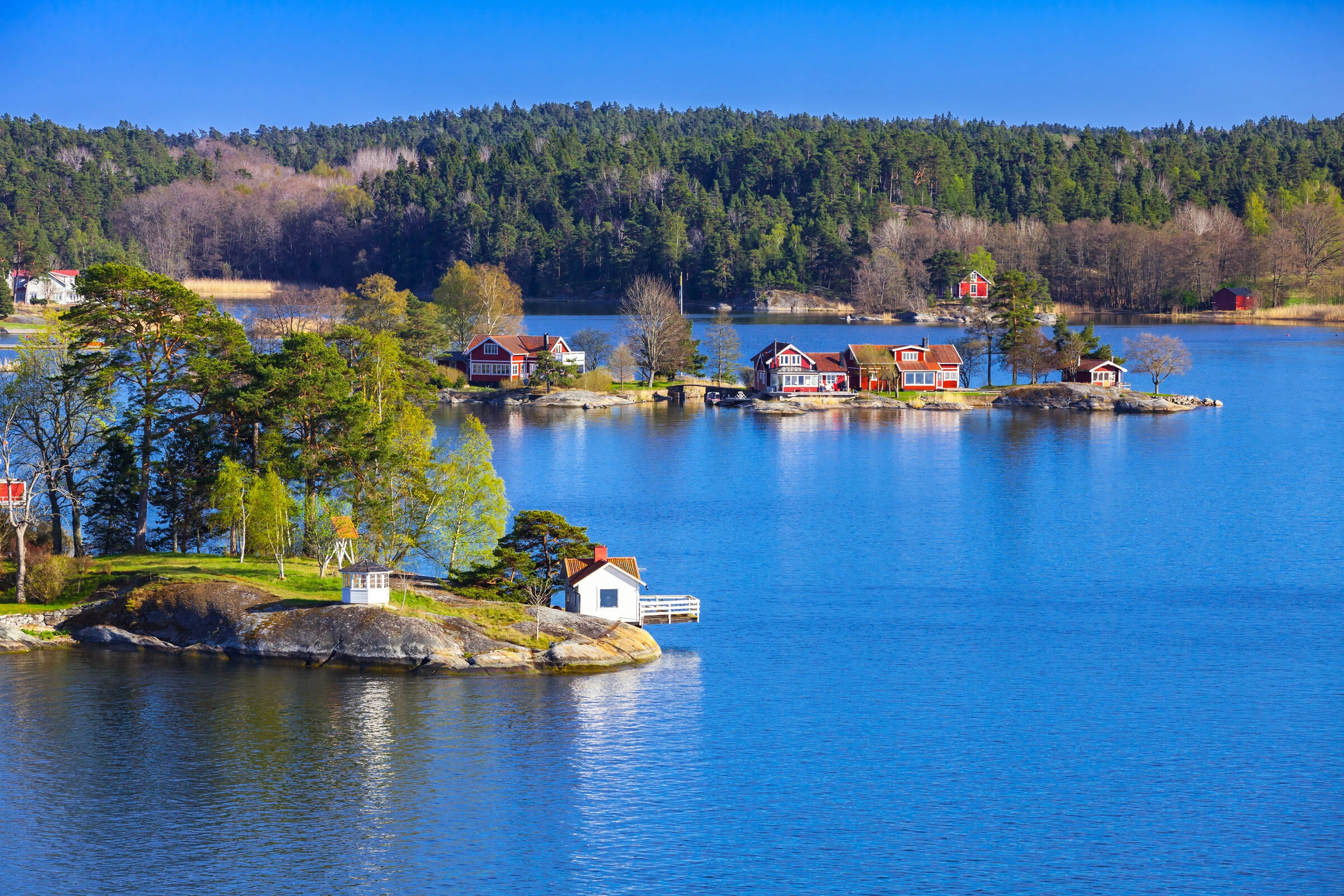
A capital built across a handful of connected islands, with tens of thousands more scattered east of it toward the open Baltic. The city is walkable in two days. The archipelago is the reason to give it three.
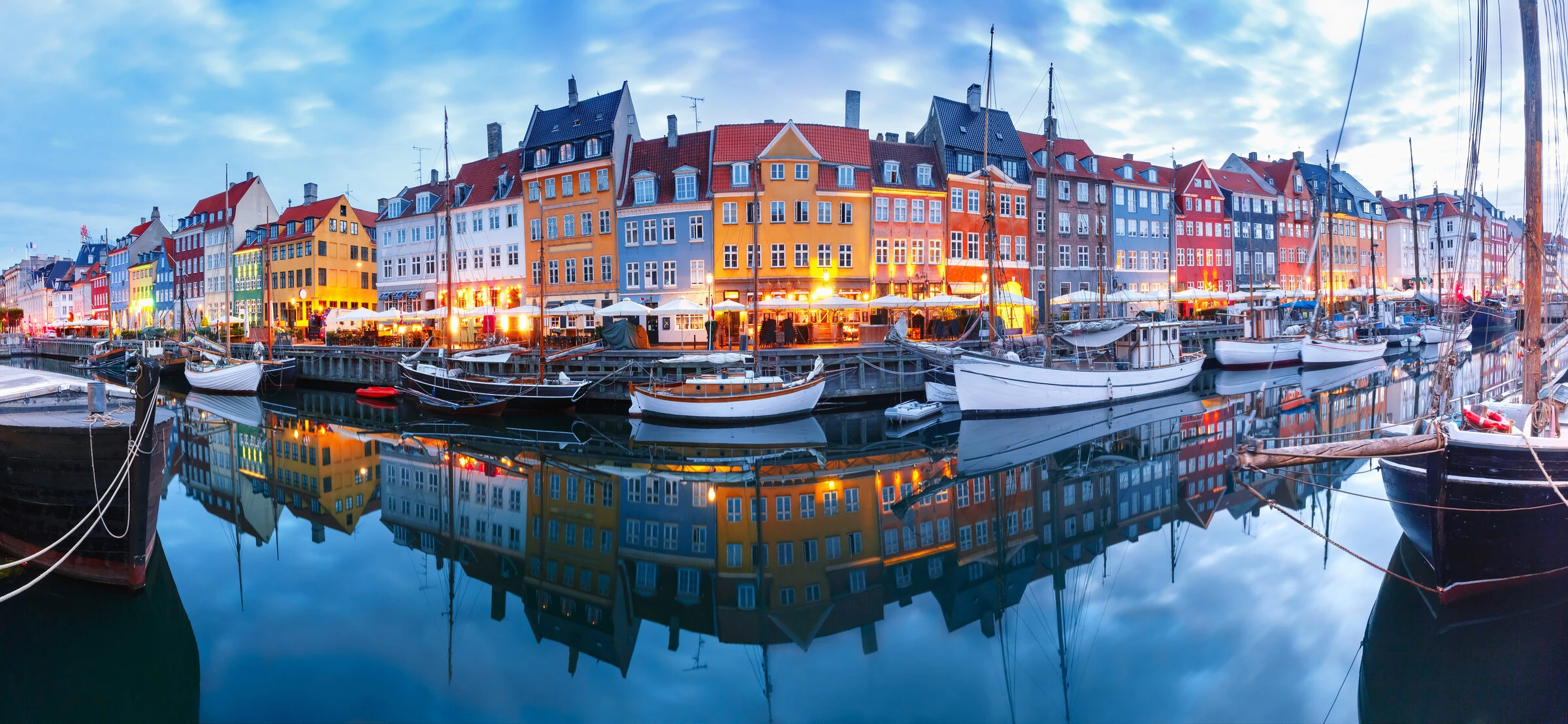
Flat, compact and better on a bicycle than in a car. Design, the harbor baths, and a restaurant scene that survives its own reputation. The easiest arrival or departure point in the region.
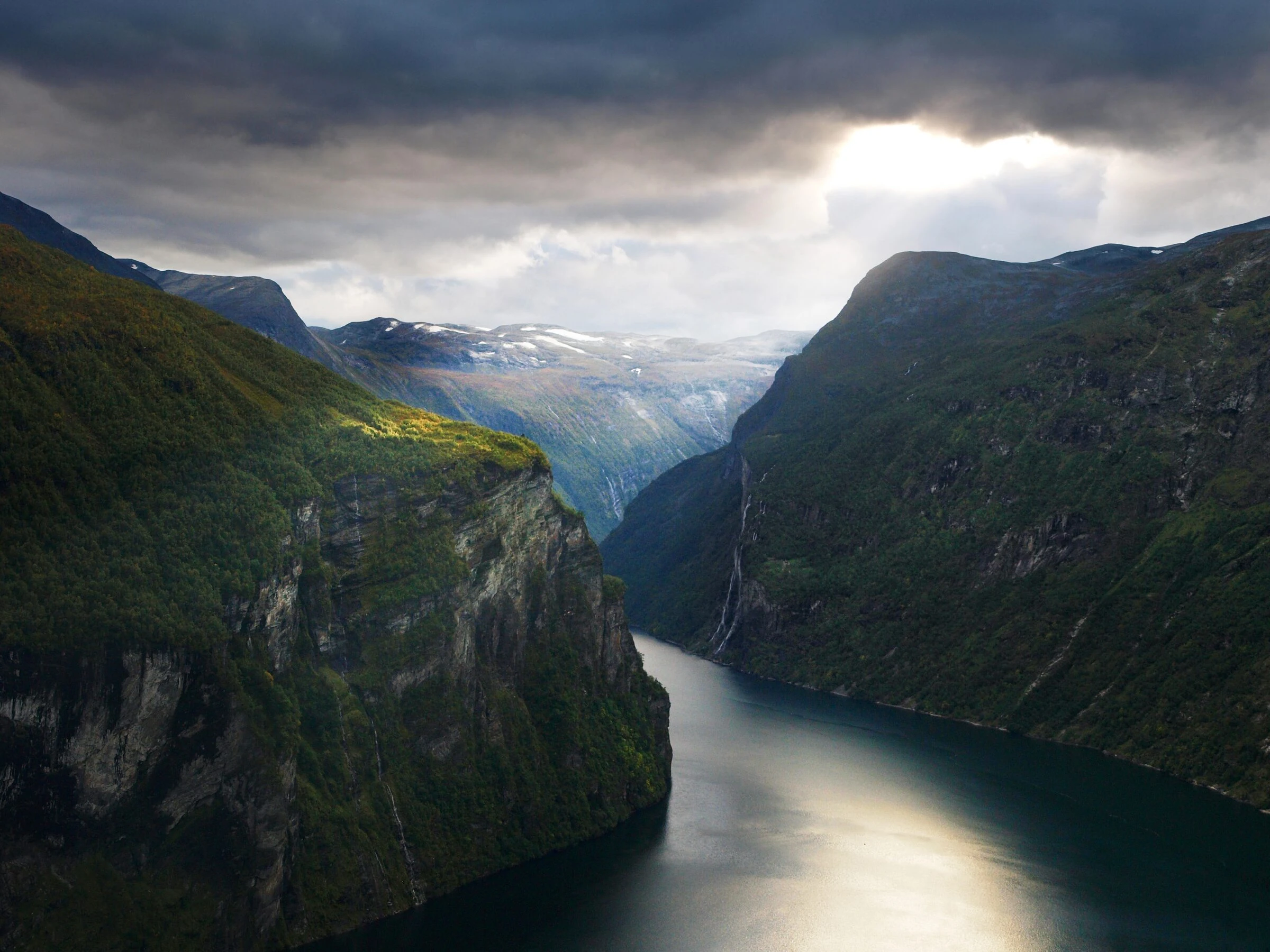
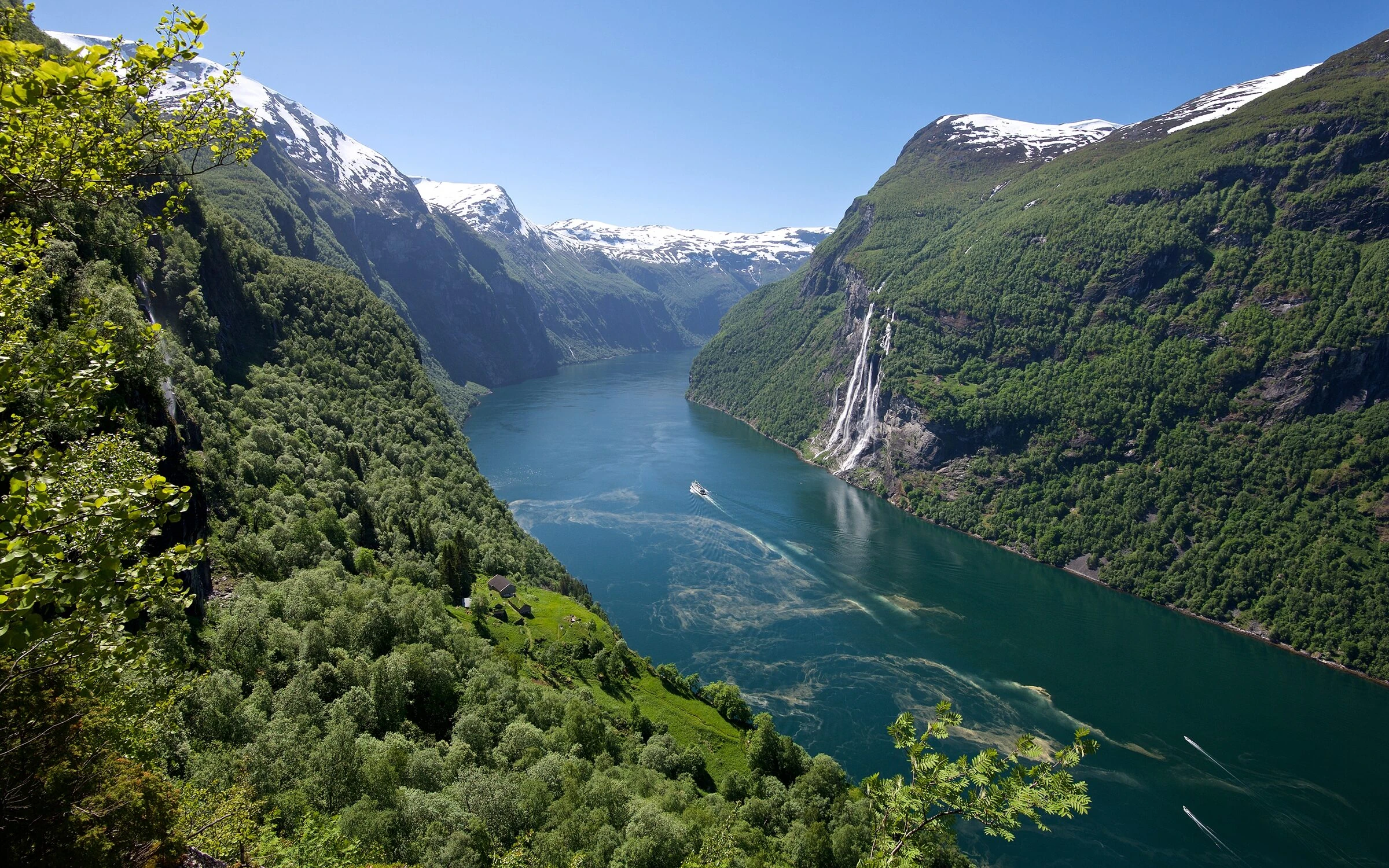
Geirangerfjord and Hjørundfjord either side of Ålesund, with Norangsdalen running between them. Cliffs straight out of deep water, and the part of the trip nobody forgets.
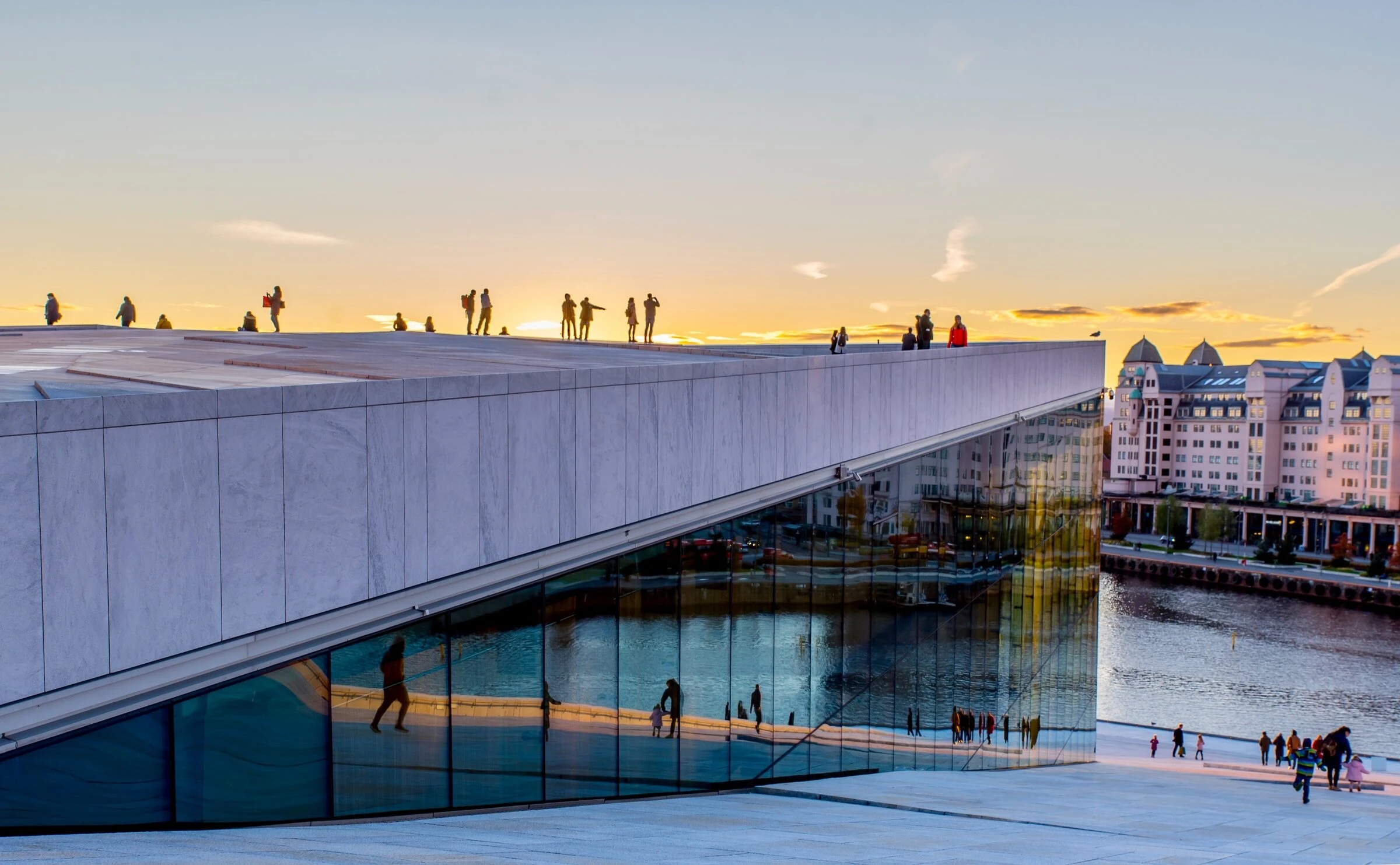
The natural end of a fjord trip rather than a destination on its own. The opera house, the Nobel Peace Center, and a fjord that starts at the foot of the city.
Scandinavia is easy to travel and easy to mis-plan. Almost every mistake is a distance mistake.
Stockholm to Copenhagen is a short flight. Copenhagen to fjord Norway is a connection, a regional flight and a transfer, and it eats a day at each end. Three countries in a week means most of the week is in transit.
In fjord country the road stops at the water. Crossings are frequent in summer and much thinner outside it, and a missed departure can cost two hours. Distances in kilometers tell you almost nothing about a day.
Mountain roads through the fjord passes open around late May and close again with the first serious snow. Norangsdalen and the high routes are seasonal, and a May itinerary and a September one are not the same trip.
The Arctic Circle sits at 66.5°N. Ålesund is at 62.5°N and Stockholm at 59°N, so the sun does set. What you get in June is eighteen to twenty hours of daylight and a dusk that never finishes. For a sun that genuinely never sets, you need Tromsø, Lofoten or Svalbard.
It is four travel days and three half-days on the ground. Take two countries and do them properly, or give it a fortnight. Stockholm and Copenhagen pair naturally. The fjords need their own block of days.
The famous fjords are on the other side of the country. What you reach and return from in a day is the Oslofjord, which is lovely and is not what you came for. If the fjords matter, sleep in them.
The water makes every transfer longer than it looks. One well-placed base with boat and helicopter days out from it beats four hotels and four packing mornings.
It never gets dark enough between May and August, anywhere in the region. Aurora is a September to March proposition and it belongs on a different trip, further north.
Norway is the most expensive country in the region by some distance, and the fjord properties worth staying in are small. Booking late does not lower the price, it lowers the choice.
One published route through all three countries, bookable as it stands or rebuilt around your dates.
The four properties on our published route. In Scandinavia the hotel is often the argument for the city, and in fjord country it decides how much water you can reach.
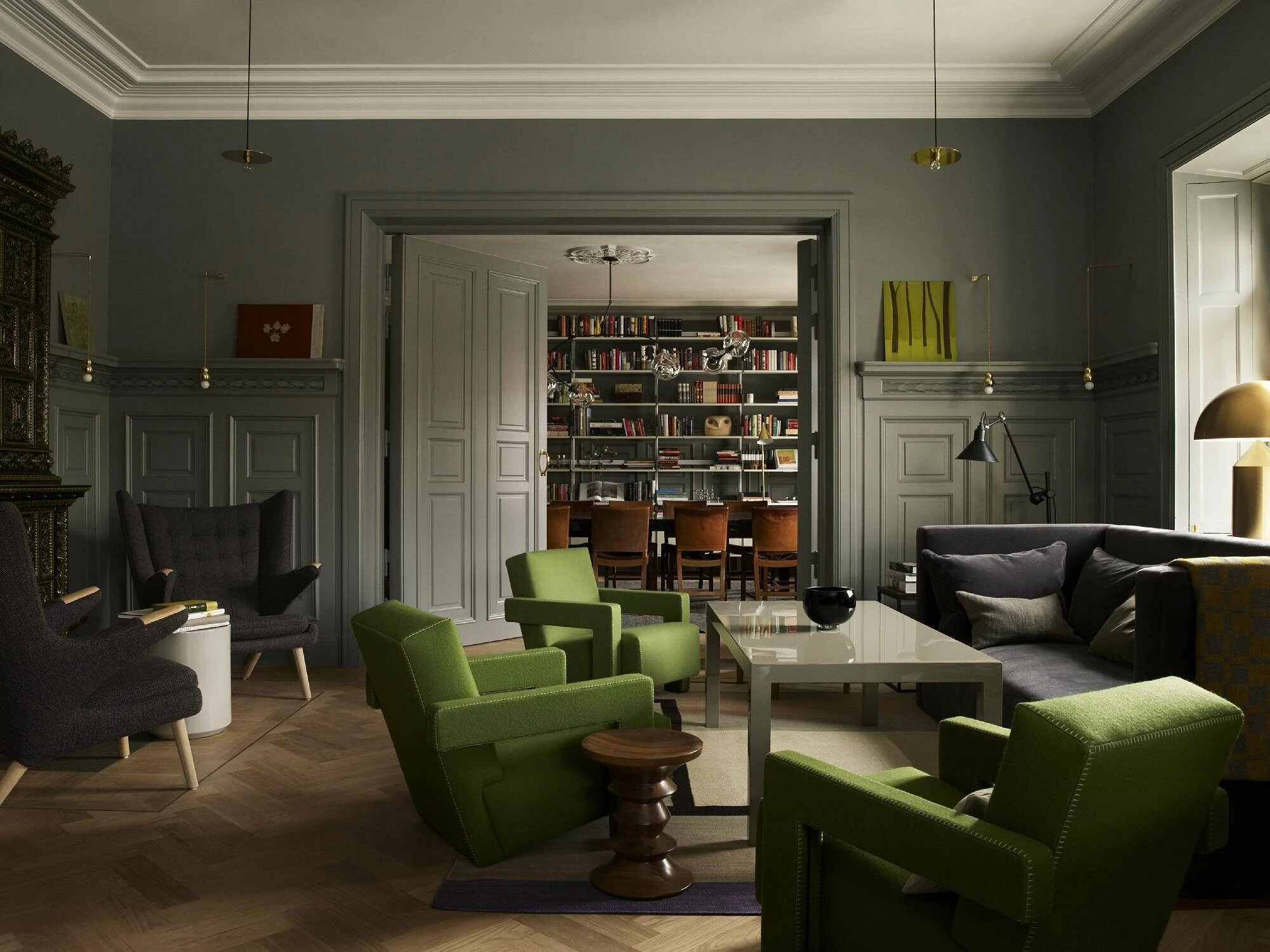
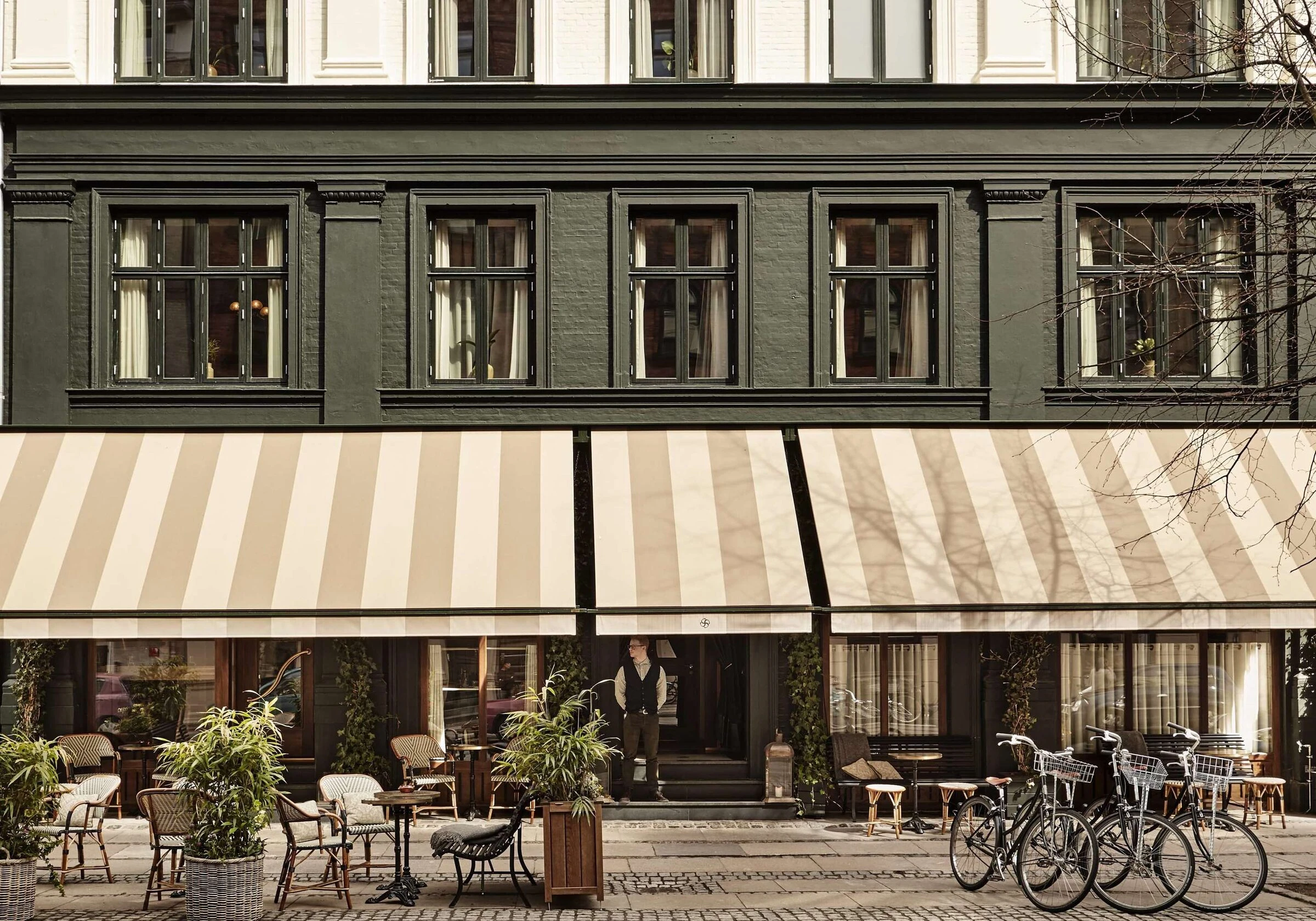
A 1910 Arts and Crafts townhouse turned twelve-room hotel, run more like a private house than a property. The kitchen will cook for you at most hours, and nothing about it feels like a lobby.
A nineteenth-century building near the Royal Danish Theatre, restored with more warmth than most Danish design hotels attempt. Central enough to leave the bicycle outside and walk.
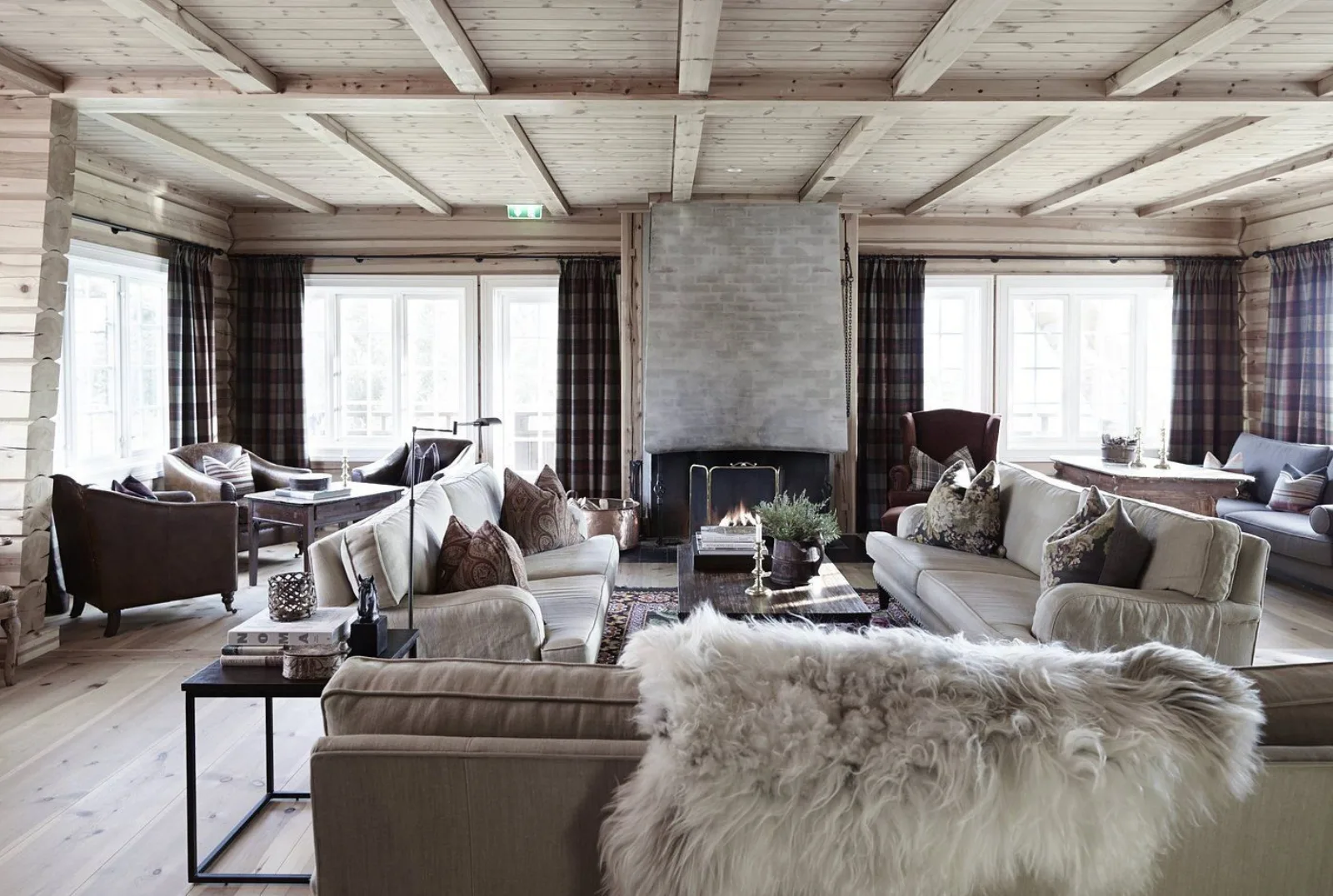
Norwegian log-house building on the hillside above Storfjorden, a short drive from Ålesund. The right base for fjord cruises, kayaking and the Norangsdalen road without changing hotels.
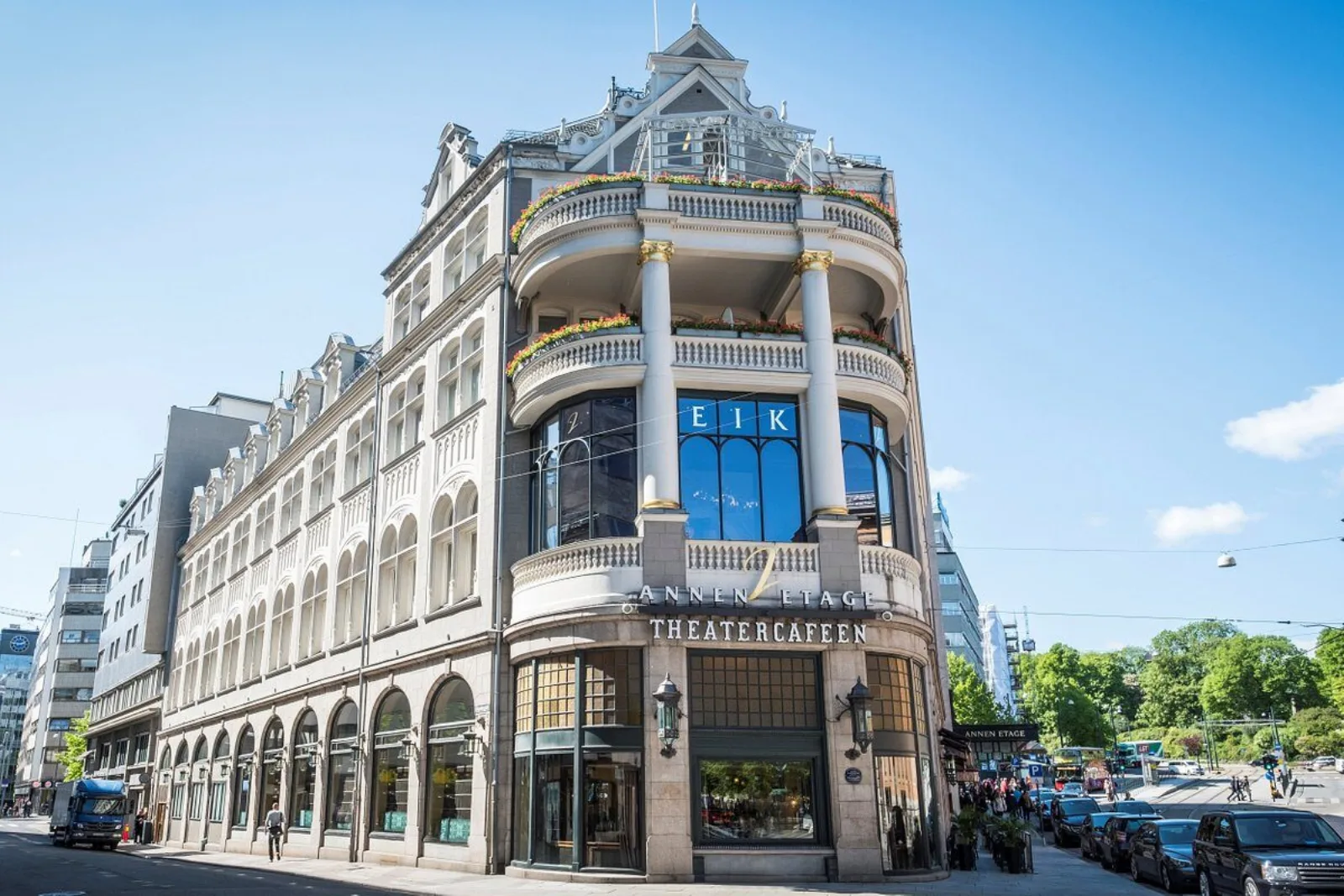
Open since 1900 and independent, in the same family for four generations, opposite the National Theatre. Theatercaféen downstairs is a Norwegian institution and worth one dinner even if you eat well elsewhere.
A short fjord season inside a long city one.
| Window | What It’s For & What to Expect |
|---|---|
| May | Fjord passes opening, orchards in blossom on the Hardanger side, and the fewest people of the season. Some high roads and mountain lodges are still shut. |
| June | The longest light of the year and everything open. Eighteen to twenty hours of daylight, a dusk that never finishes, and the fjords before the cruise-ship peak. |
| July to mid-August | Warmest, busiest, and the month the region takes its own holidays. Book the fjord properties and the Copenhagen restaurants a long way out. |
| Late August to September | The quiet favorite. Thinner crowds, cooler air, autumn color arriving in the fjords, and the first realistic aurora nights at the very end of it. |
| October to April | Cities only, and they are good in winter. Most fjord infrastructure closes, mountain roads shut, and the light collapses. A different trip, further north, for aurora. |
Whether you work with us or not, these are worth asking before committing significant funds.
Scandinavia is where trips quietly become travel days. Ask for the number, door to door, including ferries. Between the capitals and fjord Norway it is rarely under six hours.
“Norway” on an itinerary can mean Oslo. Ask which fjord, which side of it, and how far the property is from the water. Geirangerfjord and Hjørundfjord are different experiences an hour apart.
Norangsdalen and the high fjord routes are seasonal, and ferry frequency drops sharply outside summer. A May or September itinerary needs this checked rather than assumed.
If midnight sun is the reason you are going, the answer matters. Ålesund, Oslo, Stockholm and Copenhagen are all south of it. Tromsø, Lofoten and Svalbard are not.
First-hand experience, or a trusted colleague’s direct experience, is the standard. In fjord Norway it shows up in which side of the water gets the evening light.
June for the longest light and everything open, late August into September for thinner crowds and autumn color in the fjords. July is warmest and busiest. Outside May to September most fjord infrastructure closes and the trip becomes a city trip.
The fjord properties are small and the season is short, so six to nine months is comfortable and twelve is better for June and July. Copenhagen and Stockholm are more forgiving, though the restaurants worth the trip are not.
Unusually well. The cities are safe and walkable, Copenhagen is built for bicycles, and the fjord days are boats and short walks rather than endurance. The main constraint is transfer time between regions.
Norway sits well above Sweden and Denmark, so the split between city nights and fjord nights moves the number more than the length of the trip does. Our published fifteen-day route starts at $29,800 per person. We give you a straight figure for your own dates before you commit.
Neither, on this part of the map. Everywhere on a Stockholm, Copenhagen, Ålesund and Oslo route is south of the Arctic Circle, so the sun sets and the summer sky never gets dark enough for aurora. What you get in June is a dusk that runs into dawn. For either phenomenon properly, you want Tromsø, Lofoten or Svalbard, and a different season.
One of us personally owns your trip from the first conversation to the last night.
Tell us how long you have and whether the fjords are the point. We will tell you honestly what fits.